
Role-playing games don’t rush evil.
They let it fester.
Across dozens of hours, players witness kingdoms rot, gods fall, civilizations burn, and entire timelines collapse — often because of a single antagonist whose influence spreads slowly and deliberately. RPG villains aren’t just obstacles to overcome. They are world-shaping forces, beings whose actions permanently scar the setting long before the final battle ever begins.
The most evil RPG villains aren’t defined by power alone. They are remembered for:
- Erasing cultures and civilizations
- Twisting belief systems and history
- Manipulating entire populations
- Winning — sometimes permanently
This list ranks the Top 10 Most Evil RPG Villains of All Time, judged by scale of destruction, moral corruption, psychological impact, and lasting legacy.
10. Alduin (The Elder Scrolls V: Skyrim)
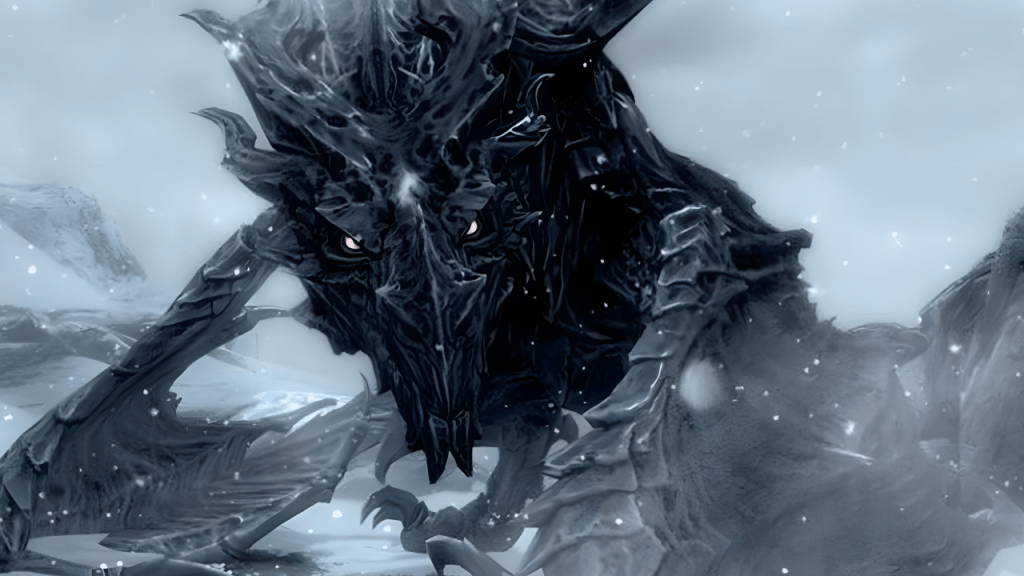
Alduin is not a conqueror.
He is an ending written into reality itself.
Known as the World-Eater, Alduin exists to devour the world and reset the cycle of existence. His return signals the apocalypse foretold in ancient prophecy, and entire civilizations collapse simply because he has awakened.
What makes Alduin uniquely evil is inevitability. He does not hate mortals. He does not bargain. He consumes because that is his purpose.
Alduin represents cosmic inevitability — destruction not driven by cruelty, but by destiny itself.
9. Lavos (Chrono Trigger)
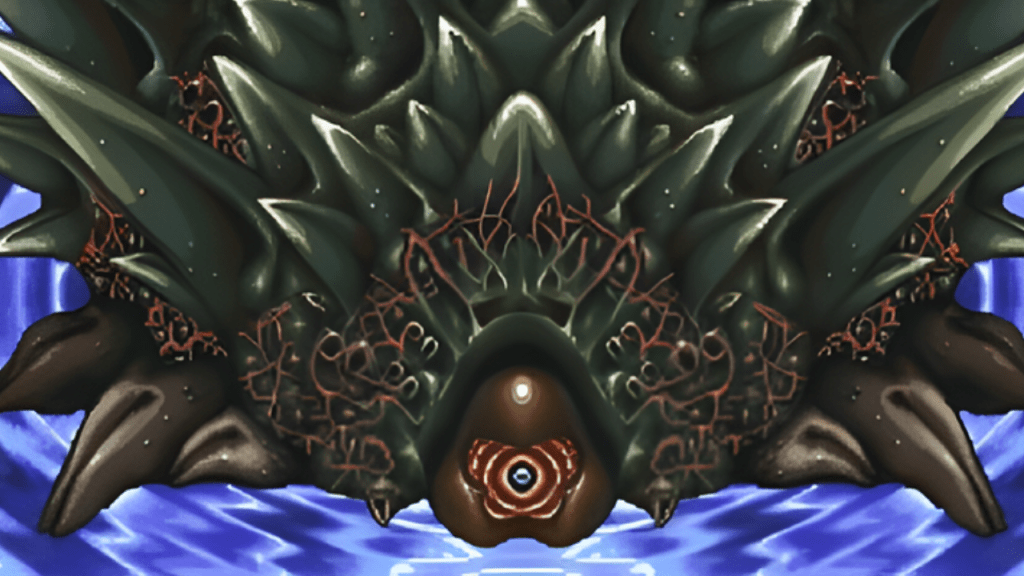
Lavos is one of the most disturbing villains in RPG history precisely because it operates silently.
Crashing into the planet in ancient times, Lavos embeds itself deep within the world, feeding on its energy while subtly influencing evolution, war, and catastrophe for thousands of years. Entire historical disasters are revealed to be side effects of its growth.
Lavos does not monologue.
It does not justify itself.
It simply waits.
Its evil lies in patience — the horrifying realization that history itself may be shaped by a parasite waiting to hatch and wipe everything out.
8. Ganondorf (The Legend of Zelda)
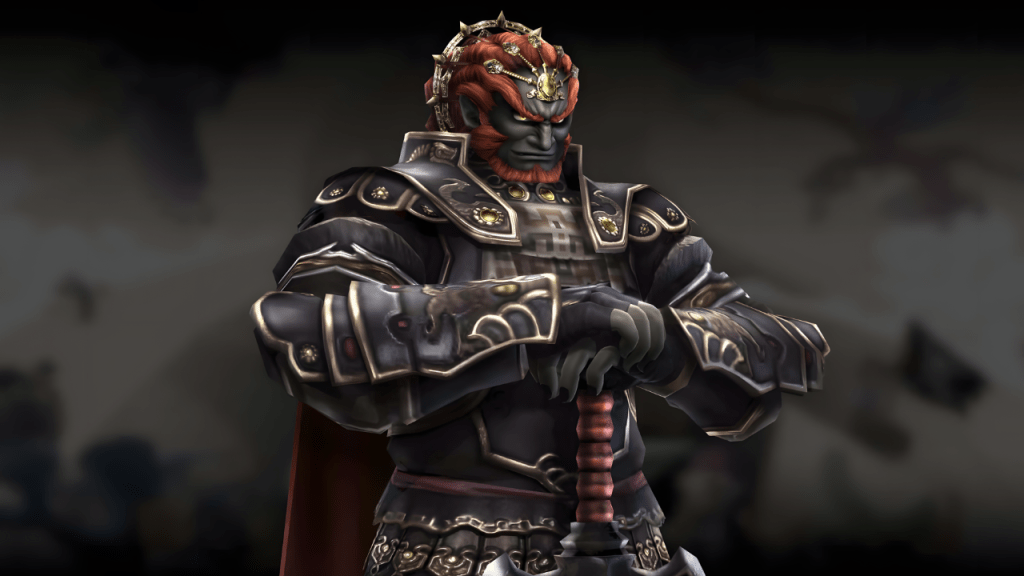
Ganondorf is malice that refuses to stay buried.
Across timelines, reincarnations, and fractured realities, he repeatedly returns to conquer Hyrule and plunge the world into darkness. Kingdoms fall, populations suffer, and history resets — yet Ganondorf always finds his way back.
Unlike tragic villains, Ganondorf does not seek redemption. His goals are domination, power, and control through the Triforce.
Ganondorf represents eternal evil — not misunderstood, not corrupted, but persistent and unyielding.
7. Arthas Menethil (Warcraft)
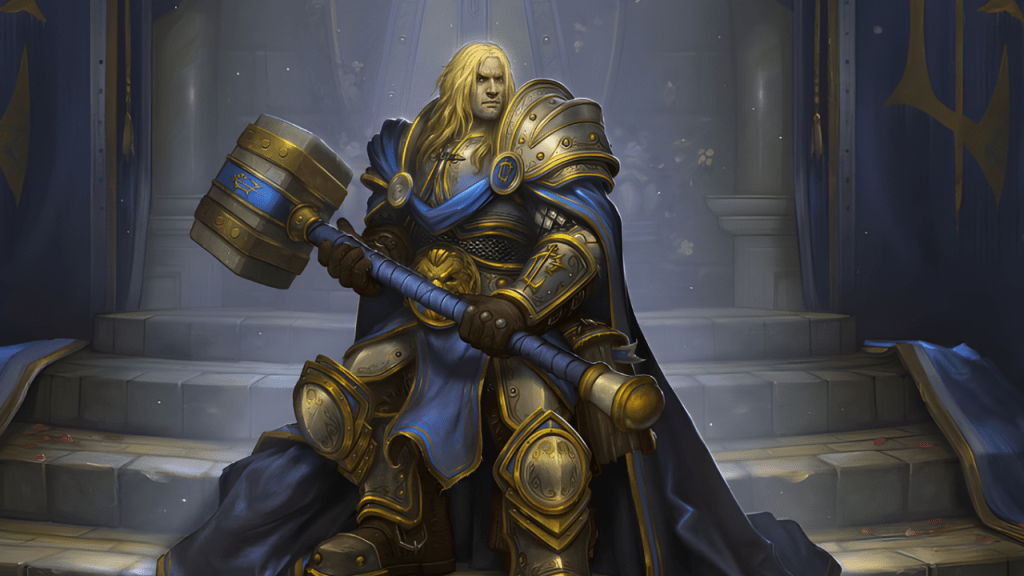
Arthas is one of the most horrifying villains in RPG history because his fall feels logical.
Once a noble prince, Arthas sacrifices morality piece by piece in the name of protecting his kingdom. Each decision feels justified — until the cost becomes genocide. By the time he becomes the Lich King, entire cities have been slaughtered and raised as undead soldiers.
Arthas doesn’t lose control.
He chooses it.
His evil is born from the belief that control is preferable to chaos — a belief that transforms a protector into a tyrant.
6. Dagoth Ur (The Elder Scrolls III: Morrowind)
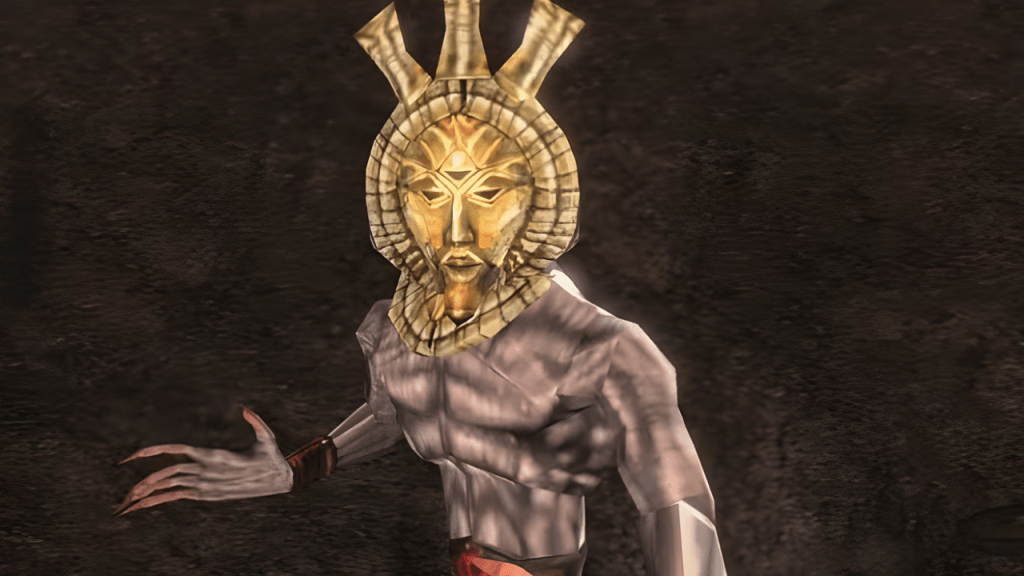
Dagoth Ur does not see himself as a villain.
Corrupted by divine power, Dagoth seeks to overthrow the gods and remake the world in his image. Through disease, psychic manipulation, and religious devotion, he spreads madness while promising unity, immortality, and purpose.
What makes Dagoth Ur chilling is his calm certainty. His dialogue is persuasive. His logic feels unsettlingly coherent.
Dagoth Ur represents ideological evil — the belief that free will is a flaw that must be corrected.
5. Sephiroth (Final Fantasy VII)
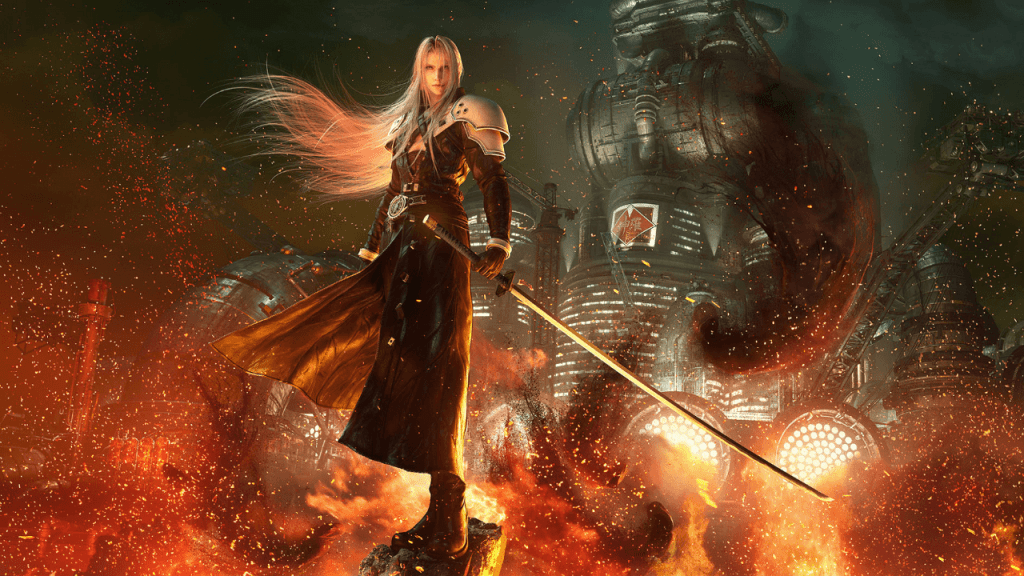
Sephiroth is not chaos — he is precision.
Once a legendary hero, Sephiroth’s descent into madness leads him to seek godhood through planetary destruction. He manipulates events from the shadows, haunting the player psychologically long before direct confrontation.
His actions cause mass death, ecological collapse, and one of the most emotionally devastating moments in RPG history.
Sephiroth’s evil is deeply personal. He doesn’t just want power — he wants to erase the world that rejected him.
4. Giygas (EarthBound)

Giygas is evil without form, logic, or mercy.
Once a sentient alien being, Giygas becomes so consumed by hatred and trauma that it loses all identity. By the time players confront it, Giygas no longer exists as a comprehensible entity — only as raw pain and malice.
Reality breaks down during the final battle. Attacks are described as “indescribable.” Visuals become abstract and disturbing. The game itself seems to unravel.
Giygas cannot be defeated through strength or strategy. The only way to stop it is through collective hope and prayer.
Giygas represents existential evil — suffering so absolute it transcends reason.
3. Emet-Selch (Final Fantasy XIV)

Emet-Selch is evil shaped by grief.
An ancient being who survived the destruction of his world, Emet seeks to restore it — regardless of how many lives must be sacrificed. Entire civilizations are pawns in a plan spanning millennia.
What makes him dangerous is empathy. His sorrow is real. His pain is understandable.
And yet, his willingness to erase countless lives makes his actions unforgivable.
Emet-Selch proves that tragedy does not excuse genocide.
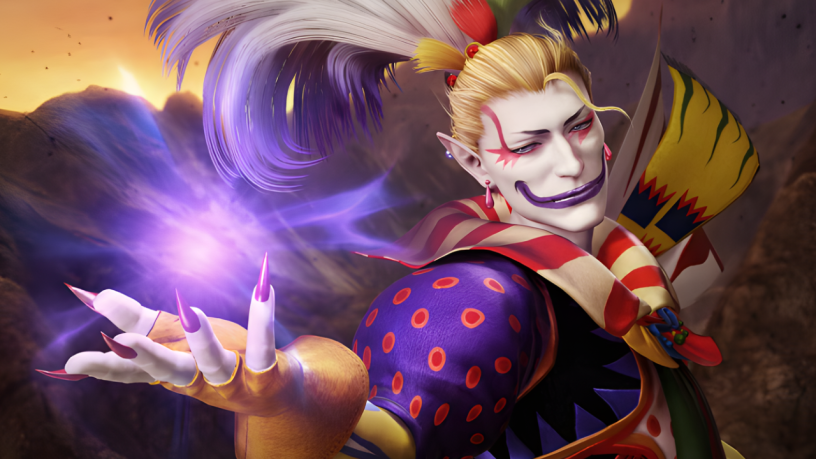
2. Kefka Palazzo (Final Fantasy VI)
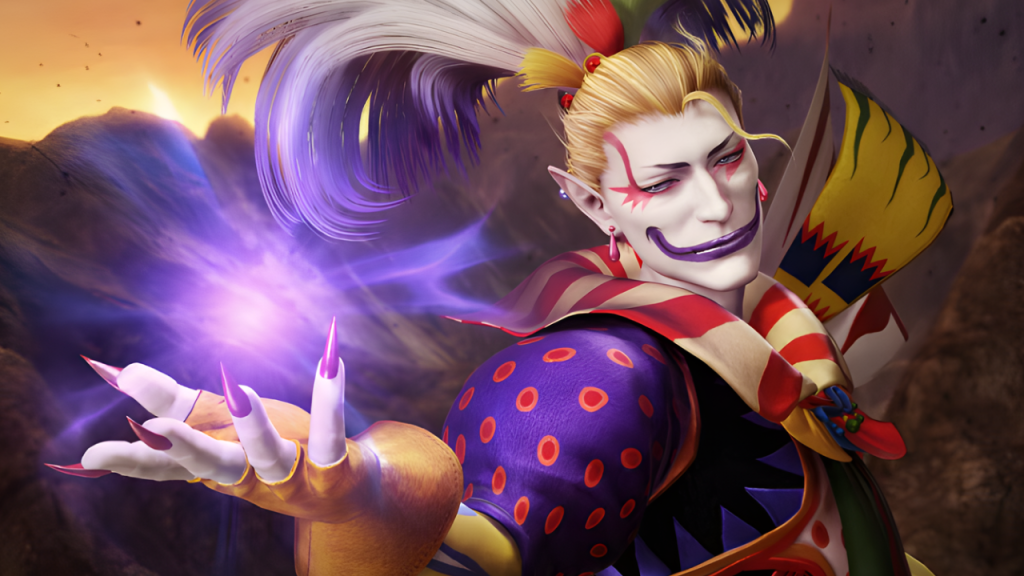
Kefka is destruction without purpose.
Unlike villains driven by ideology or revenge, Kefka wants only chaos. After achieving godhood, he succeeds in shattering the world, poisoning the land, and ruling over the ruins while mocking suffering.
He doesn’t regret.
He doesn’t rebuild.
He doesn’t justify.
Kefka is terrifying because he wins — and finds joy in the aftermath.
1. The Darkspawn & Archdemons (Dragon Age)
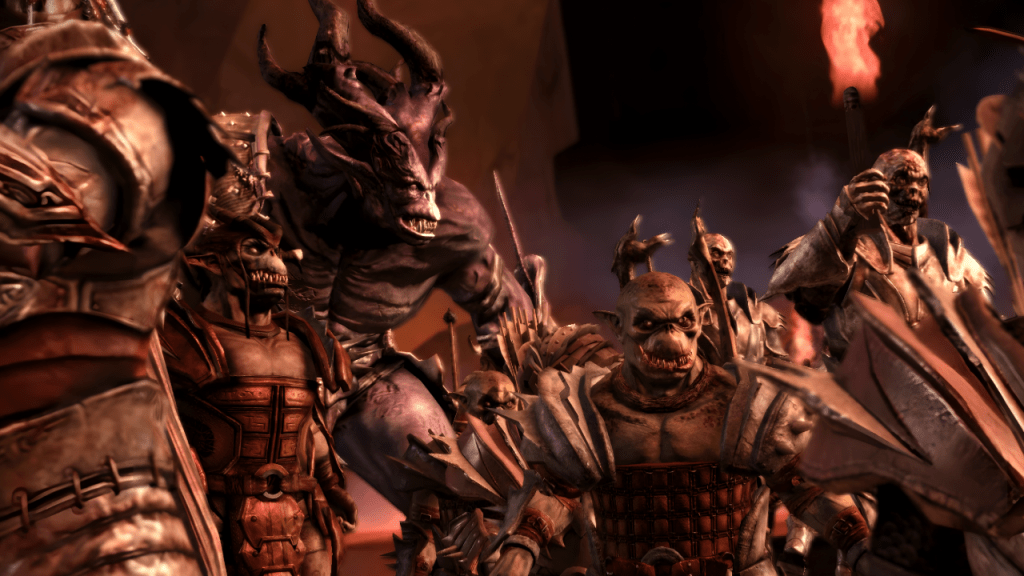
The Darkspawn are the most evil RPG villains of all time because they represent endless extinction.
Born from ancient corruption, the Darkspawn spread disease, decay, and annihilation across the world during Blights. Entire nations fall. Cultures vanish. Survivors are permanently scarred.
Unlike singular villains, the Darkspawn never truly end. They resurface again and again, each Blight threatening total collapse.
They are not conquerors.
They are not tyrants.
They are civilization-ending inevitability.
Why RPG Villains Hit Harder Than Any Other Genre
RPG villains aren’t faced once.
They’re lived with.
Players experience the fallout of their actions for dozens of hours — ruined cities, broken families, corrupted faiths. These villains don’t just oppose heroes. They rewrite history.
That depth is what makes them unforgettable.
 Fantastic Nerdom