
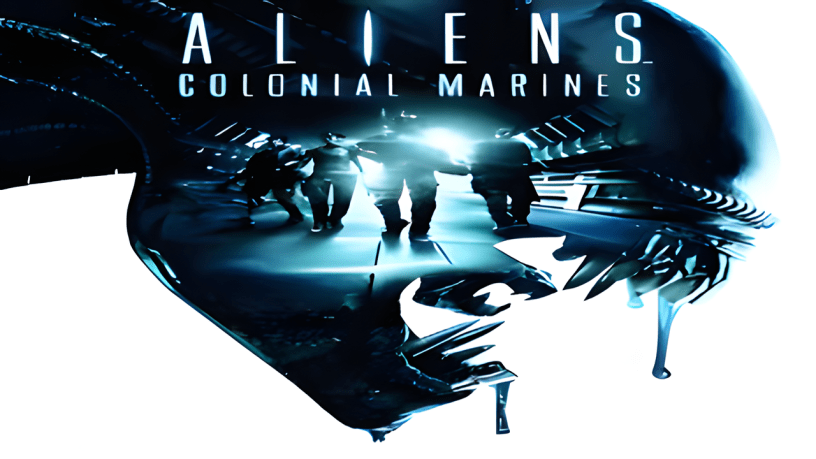
When Aliens: Colonial Marines launched in 2013, expectations were sky-high. Not only was it marketed as a direct sequel to James Cameron’s 1986 classic Aliens, but it was also billed as the game that would finally give fans the authentic Colonial Marine experience they’d been waiting for. Set shortly after the events of the film, the game aimed to capture that gritty, pulse-rifle-pumping atmosphere the franchise is known for—dark corridors, motion trackers chirping in the distance, and hostile forces lurking in the shadows.
The idea was simple: follow a fresh squad of Marines as they return to LV-426, investigate what happened to the USS Sulaco, and uncover the truth behind the Weyland-Yutani Corporation’s involvement. But the execution… well, that’s where things get complicated.
Despite the controversy surrounding its release, Aliens: Colonial Marines still remains one of the most talked-about entries in the Alien gaming universe. This overview breaks down what the game tried to do, what it delivered, and why it continues to be part of the conversation over a decade later.
The Story: A Direct Sequel That Picks Up the Pulse Rifle
The campaign follows a new squad of Marines responding to a distress signal from the USS Sulaco, the same vessel Ripley last boarded in Aliens. The ship is mysteriously back in orbit over LV-426, and nothing about the situation makes sense. When the Marines arrive, they find Xenomorphs loose on the ship, Weyland-Yutani operatives cleaning up loose ends, and a deeper conspiracy at play.
From there, the story moves between the ruined remains of Hadley’s Hope, Weyland-Yutani black-ops facilities, and tense shootouts in dark hallways echoing the film’s atmosphere. The campaign’s pacing aims to bounce between squad-based combat, corridor crawling, and cinematic firefights. Familiar faces even appear, connecting the events of the movies with the new storyline.
The plot tries to expand the Alien mythos, especially regarding corporate agendas, experimental weaponization, and the fallout of the LV-426 incident. Though fans were divided on how well it worked, the intention behind the narrative is undeniably ambitious.
Gameplay: A Squad Shooter in Xeno Territory
Aliens: Colonial Marines is primarily a first-person shooter, but it leans heavily into its squad-based setup. You’re constantly accompanied by Marines, giving the game a persistent “fireteam on a mission” feel. Gearbox attempted to structure the game around tactical teamwork, motion tracker tension, and the iconic weaponry fans know and love.
Weapons and Gear
You get access to the full Colonial Marines arsenal:
- Pulse Rifles
- Shotguns
- Smartguns
- Flamethrowers
- Pistols
- Heavy weapons
- Explosive ordnance
You can customize weapons with attachments and upgrades, giving players a sense of progression as they fight through Weyland-Yutani forces and the alien hive.
Enemies
The game includes several enemy types:
- Lurker Xenomorphs that pounce from the shadows
- Spitter variants that keep pressure from range
- Armored Xenos capable of tanking more damage
- Human PMCs working for Weyland-Yutani
The mix is meant to keep players on their toes—humans play like standard FPS enemies, while Xenomorphs force more reactive, close-quarters combat.
Atmosphere: Cinematic Intent, Mixed Execution
One of the biggest selling points was the promise of recreating the atmospheric tension of Aliens. The developers recreated key locations from the film, including:
- The derelict remains of Hadley’s Hope
- The iconic operations center
- Dark, industrial hallways
- Hive-like caverns dripping with Xeno resin
The sound design is also rooted in the films—motion tracker beeps, pulse rifle bursts, and the haunting ambience of abandoned structures. Even critics of the game acknowledge the soundtrack and sound design as some of its strongest features.
However, the atmosphere was hurt by the final product’s inconsistent presentation. Visual glitches, flat lighting, animation issues, and AI problems made some moments feel less tense and more unintentionally awkward. Still, many players remember certain areas fondly for their nostalgic value and lore connection.
A Game Surrounded by Controversy
You can’t talk about Colonial Marines without addressing the launch controversy. From delayed releases to marketing that didn’t match the final product, the game quickly became infamous. Many fans expected a cinematic, high-fidelity sequel to Aliens—but the end result fell short of the promotional demos.
Later, it was discovered that a single typo in the game’s AI code—literally one misplaced character—caused Xenomorph behavior to break, turning terrifying stalkers into confused, aimless enemies. Fans fixed it on PC with mods, dramatically improving the gameplay.
Over time, the game developed a “cult following” among Alien fans, modders, and players who enjoy dissecting flawed but interesting projects. It’s become a weird, fascinating piece of gaming history—one that’s constantly revisited in retrospectives, breakdowns, and modding communities.
Multiplayer: The Hidden Gem
One of the more positively received aspects was multiplayer, which pits Marines against Xenomorph players. The asymmetrical approach offers a more intense, unpredictable experience than the campaign. Xeno players can climb walls, leap long distances, and ambush Marines in close quarters, while Marines have their arsenal and teamwork to survive.
For fans, this mode captured more of the franchise’s tension and horror, even if the player base was never massive.
Why People Still Talk About Colonial Marines
Despite everything, Aliens: Colonial Marines refuses to fade into obscurity. It’s still discussed for several reasons:
1. It’s a major part of Alien gaming history.
Whether good or bad, it occupies an important spot in the timeline.
2. The ambition was huge.
A direct sequel to one of the most beloved sci-fi films of all time is no small undertaking.
3. The modding community breathed new life into it.
With AI fixes and visual tweaks, the PC version plays far smoother than it did in 2013.
4. Fans want to see the “Marine fantasy” perfected.
Every Alien game gets compared to what Colonial Marines tried to be.
5. It’s a cautionary tale in game development.
It remains a prime example of why transparency and accurate marketing matter.
Final Thoughts: A Flawed but Fascinating Chapter in Alien Games
Aliens: Colonial Marines may not have delivered the experience fans expected, but it remains an important piece of the franchise’s gaming legacy. The concept was bold, the ambition was huge, and the attempt to tie directly into the film’s events was something players had wanted for decades.
It’s messy, inconsistent, and undeniably flawed—but it’s also strangely captivating. For some, it’s a guilty pleasure. For others, it’s a frustrating “what could have been.” For fans of the franchise, it’s a game worth experiencing at least once, if only to appreciate its place in the continuing evolution of Alien video games.
 Fantastic Nerdom