
Every hero needs an enemy — but some of the most unforgettable adversaries in video game history aren’t lone wolves. They’re organizations, cults, corporations, or armies working toward a shared, sinister goal.
Whether they’re spreading chaos, infecting the world, or enforcing a tyrant’s will, these villain groups shape entire franchises. Let’s dive into the 10 best villain groups in gaming history — ranked by impact, memorability, and pure evil.
1. The Umbrella Corporation

Resident Evil Series (Capcom)
No villain group embodies corporate evil better than The Umbrella Corporation. On the surface, they were a pharmaceutical powerhouse; underneath, a bioweapons factory responsible for the creation of the T-Virus.
Umbrella’s experiments caused the Raccoon City outbreak and unleashed horrors across the globe. Their greed, corruption, and disregard for life turned science into a weapon. Even after their downfall, their legacy haunts the Resident Evil universe.
Why They Matter: Umbrella turned biological horror into corporate commentary — a perfect blend of science fiction and social fear.
2. Team Rocket

Pokémon Series (Game Freak / Nintendo)
When it comes to organized crime with a goofy twist, Team Rocket is the gold standard. Led by Giovanni, these Pokémon thieves terrorized trainers and towns alike — stealing, cloning, and exploiting Pokémon for profit.
Their charm lies in the mix of menace and humor. Jessie, James, and Meowth became icons of Saturday morning villainy, showing that bad guys can be both dangerous and delightfully dumb.
Why They Matter: Team Rocket is the blueprint for cartoonish evil — stylish, hilarious, and surprisingly enduring.
3. The Covenant
Halo Series (Bungie / 343 Industries)
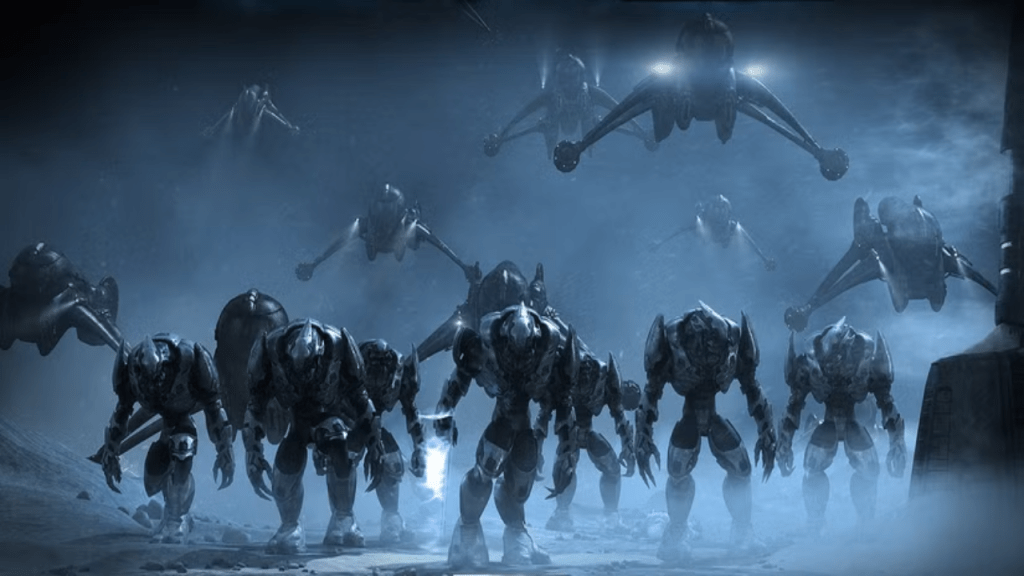
An interstellar theocracy bent on humanity’s destruction, The Covenant are one of the most complex and terrifying alien coalitions in gaming. Comprised of multiple alien races united under religious fanaticism, they nearly wiped out Earth.
Their blend of faith-driven zealotry and military might gave the Halo universe its scale and emotional depth. The split between the Elites and Prophets also added unexpected political layers.
Why They Matter: The Covenant aren’t just villains — they’re world-builders. Their ideology and technology define Halo’s lore.
4. The Brotherhood of Nod

Command & Conquer Series (Westwood Studios)
Half-cult, half-political movement, The Brotherhood of Nod mixes religious zeal with futuristic warfare. Led by the enigmatic Kane, they wage war against the Global Defense Initiative in pursuit of global control through the mysterious element Tiberium.
Their black-and-red aesthetic, propaganda-laced messages, and charismatic leader made them one of the most memorable RTS factions ever.
Why They Matter: Nod blurred the line between terrorist organization and messianic movement — decades before similar themes dominated sci-fi storytelling.
5. The Combine

Half-Life Series (Valve)
The Combine aren’t just invaders — they’re colonizers from another dimension. After the Black Mesa incident, they enslaved humanity within years, turning Earth into a lifeless resource farm.
Their cold, bureaucratic cruelty and oppressive technology make them feel disturbingly plausible. By the time Gordon Freeman arrives, humanity’s rebellion feels both hopeless and necessary.
Why They Matter: The Combine redefined dystopian control — faceless, efficient, and horrifyingly familiar.
6. Shinra Electric Power Company
Final Fantasy VII (Square Enix)
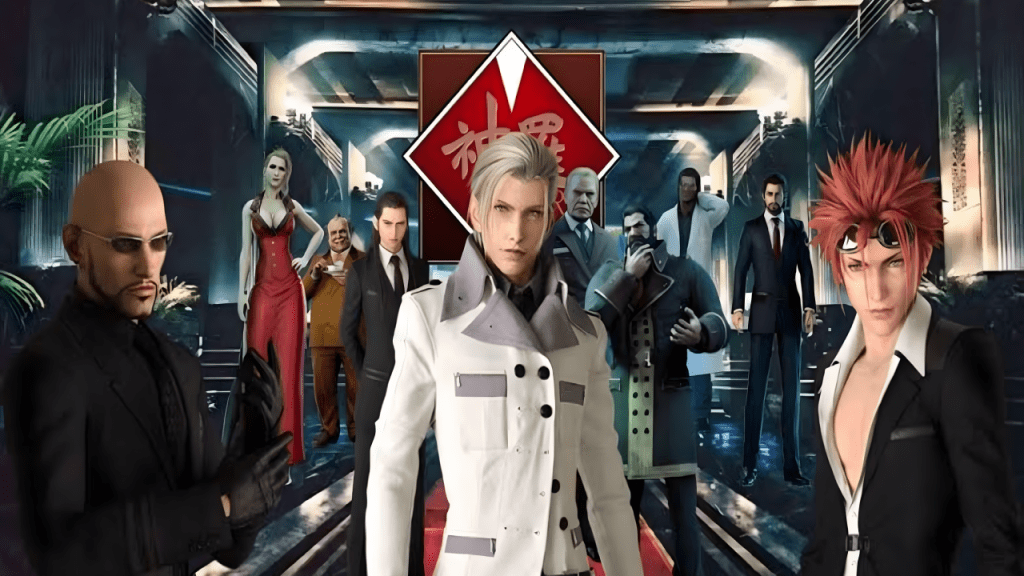
Before Umbrella, there was Shinra — an energy conglomerate bleeding the planet dry. Their exploitation of Mako energy and creation of the SOLDIER program turned ecological greed into existential horror.
Their control of Midgar and manipulation of power laid the foundation for Cloud’s rebellion and Sephiroth’s rise. Few villain groups symbolize corporate apocalypse as elegantly as Shinra.
Why They Matter: Shinra’s environmental destruction and moral decay feel more relevant today than ever.
7. The Lich King’s Scourge
World of Warcraft (Blizzard Entertainment)
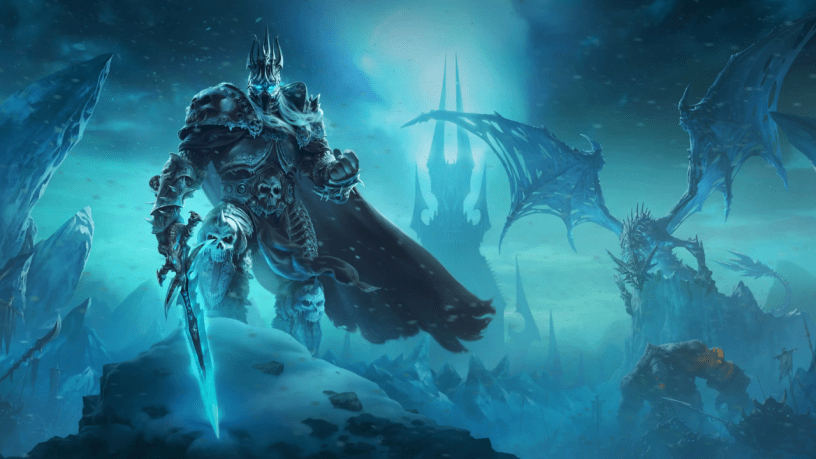
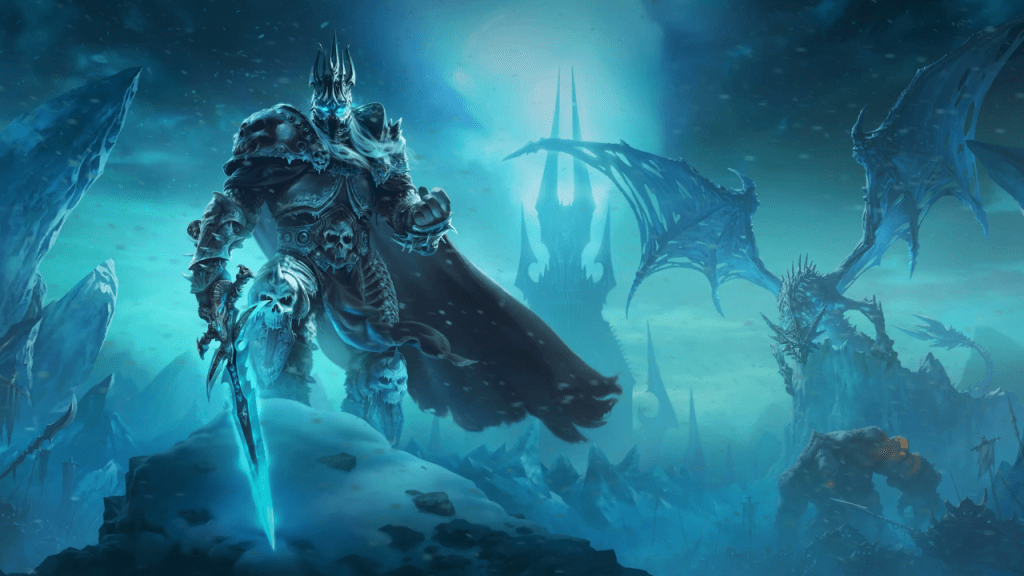
From Warcraft III to World of Warcraft: Wrath of the Lich King, the undead Scourge were a nightmare army of corpses, necromancers, and ice magic. Commanded by Arthas, they brought doom to Azeroth.
Their cinematic rise and fall, from prince to death knight to lich, remain among gaming’s most iconic story arcs.
Why They Matter: The Scourge gave fantasy gaming one of its most tragic and terrifying villains — and an entire undead empire to follow him.
8. The Geth / Reapers

Mass Effect Series (BioWare)
The Mass Effect saga offers layered antagonists — the synthetic Geth, manipulated by the ancient, godlike Reapers.
The Reapers’ cyclical extermination of civilizations, paired with the Geth’s misunderstood existence, created one of gaming’s richest depictions of AI rebellion and cosmic horror.
Why They Matter: They represent the ultimate existential threat — not out of malice, but out of cold, logical design.
9. The Raiders of the Mojave (Caesar’s Legion)

Fallout: New Vegas (Obsidian Entertainment)
Among post-apocalyptic warlords, Caesar’s Legion stands apart. Modeled after the Roman Empire, they enslave wastelanders under brutal military rule. Their warped vision of “order through conquest” makes them chillingly believable.
They embody humanity’s capacity for tyranny — even after civilization collapses.
Why They Matter: Caesar’s Legion turned history into horror, showing how ideology and cruelty survive the end of the world.
10. The Helghast Empire
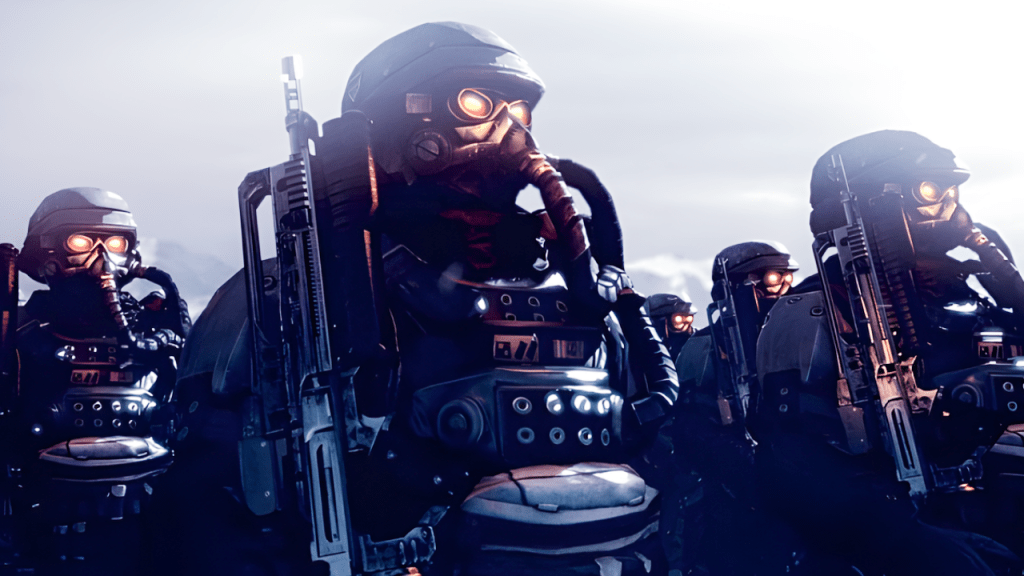
Killzone Series (Guerrilla Games)
Militaristic, brutal, and fueled by vengeance, The Helghast are one of the most visually distinct villain factions in gaming. Their glowing red eyes and Nazi-inspired iconography instantly communicate menace.
While they began as clear villains, later games added shades of gray, revealing political manipulation and desperation behind their war.
Why They Matter: The Helghast are a study in moral ambiguity — the perfect mirror to humanity’s own imperial sins.
Honorable Mentions
- The Cult of Kos (Bloodborne)
- The Black Hand (Just Cause Series)
- The Illusive Man’s Cerberus (Mass Effect)
- The Flood (Halo)
- Outer Heaven (Metal Gear Solid)
Final Thoughts
From corrupted corporations to apocalyptic cults, villain groups shape gaming’s biggest stories. They make heroes shine brighter, worlds feel richer, and moral choices more complicated.
Whether it’s the cold bureaucracy of the Combine or the fanatical zeal of the Covenant, these organizations prove that evil isn’t always one face — sometimes it’s a movement, a system, or a belief.
 Fantastic Nerdom