
The Sony PlayStation 1 wasn’t just a revolutionary console; it was a breeding ground for some of the most iconic and influential fighting games ever created. While 3D graphics were still finding their feet, the PS1 delivered a diverse lineup that catered to every type of fighting game enthusiast, from fast-paced 3D combat to intricate 2DSprite artistry and even unique, experimental mechanics.
Stepping into the arena on the PS1 meant entering a world of memorable characters, groundbreaking gameplay, and countless hours spent mastering combos and strategies. Whether you were a button-mashing beginner or a seasoned pro, there was a fighting game on the system that would sink its hooks into you.
Here are some of the best fighting games that graced the original PlayStation:
Tekken 3
Widely considered a masterpiece and often hailed as one of the greatest fighting games of all time, not just on the PS1. Tekken 3 built upon the foundations of its predecessors with stunning 3D graphics for the time, a fluid and responsive combat system, and a roster of iconic characters, including the introduction of fan favorites like Jin Kazama, Hwoarang, and Ling Xiaoyu. Its deep move lists, excellent animation, and robust arcade mode made it a must-have for any fighting game fan. The game’s impact on the genre and the PlayStation’s success is undeniable.
Street Fighter Alpha 3
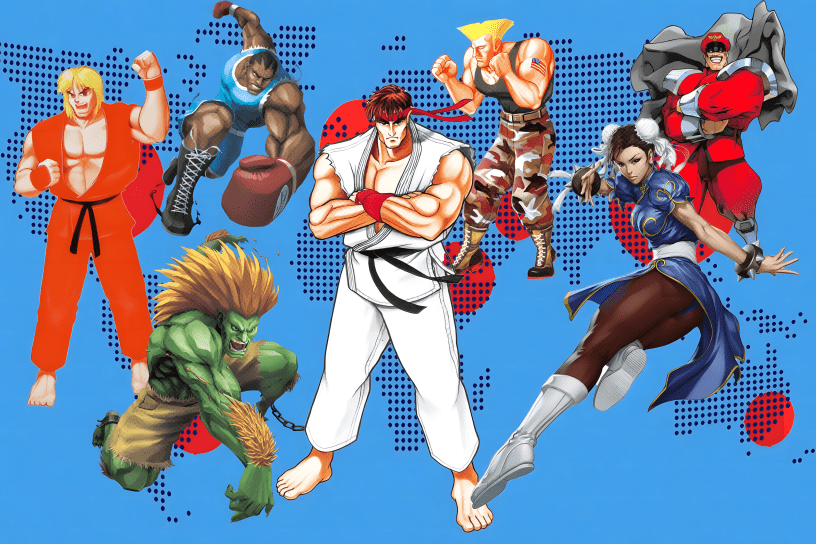
Capcom brought theirA-game to the PS1 with Street Fighter Alpha 3. This 2D tour de force is celebrated for its massive roster, intricate “isms” system (which allowed for different fighting styles), and stunning sprite work. Despite the PS1’s memory limitations compared to the arcade hardware, Alpha 3 on PlayStation was a remarkably faithful and feature-rich port, offering a wealth of content, including a comprehensive World Tour mode. It remains a high point for 2D fighting games on the console.
Soul Blade (Soul Edge)
Before Soulcalibur became a household name, there was Soul Blade (known as Soul Edge in Japan). This weapon-based 3D fighter from Namco introduced the world to the “Tales of Souls” narrative and a cast of unique characters wielding a variety of bladed weapons. Its innovative 8-way run movement system, critical edge attacks, and the engaging Edge Master mode (a story-driven single-player experience) set it apart from the competition and laid the groundwork for a highly successful franchise.
Mortal Kombat Trilogy
Bringing together characters and stages from the first three Mortal Kombat games, Mortal Kombat Trilogy was a treat for fans of the brutal, blood-soaked series. While some purists might point to technical compromises compared to the arcade or other console versions, the sheer amount of content, including a massive roster and plenty of fatalities and finishing moves, made it a popular choice for couch co-op and competitive play on the PS1.
Darkstalkers 3 (Vampire Savior)
Capcom’s monster-themed fighting game series found a strong following on the PlayStation. Darkstalkers 3 (or Vampire Savior) stood out with its unique horror-inspired character designs, gothic aesthetic, and distinct gameplay mechanics, such as the multi-health bar system. It offered a faster pace and more aggressive combat than Street Fighter, appealing to players looking for something different.
Bloody Roar 2
Known for its unique “beast form” mechanic, the Bloody Roar series was a fun and accessible 3D fighter on the PS1. Bloody Roar 2 refined the system, offering a larger roster of fighters who could transform into powerful animal-human hybrids during combat, unlocking new moves and abilities. This added a strategic layer to matches and provided exciting visual flair.
Bushido Blade
A truly experimental and unique fighting game, Bushido Blade eschewed traditional health bars and time limits for a more realistic, one-hit kill system. Combat focused on careful movement, precise strikes, and limb-specific damage. This created incredibly tense and often short battles that felt more like realistic sword duels than typical fighting game slugfests. Its innovative approach earned it a dedicated cult following.
Rival Schools: United by Fate
Capcom’s foray into 3D polygonal fighting with a schoolyard theme, Rival Schools offered a vibrant cast of characters and a unique tag-team system. Players could team up and perform powerful combination attacks, adding a layer of strategy to the fights. The game’s anime-inspired aesthetic and energetic presentation made it a memorable addition to the PS1’s fighting game library.
The PlayStation 1’s fighting game library was rich and varied, offering something for everyone. These titles, among others, provided countless hours of entertainment and helped shape the fighting game genre as we know it today. Dust off your old console or look into modern ways to play these classics; you won’t be disappointed.
 Fantastic Nerdom