

Exploring the reasons behind the mixed reception of Mortal Kombat 1. From gameplay changes to online issues and story critiques, we dissect why some fans felt let down.
Mortal Kombat 1, the latest installment in the long-running fighting game franchise, arrived with a surge of hype. A fresh timeline, reimagined characters, and the promise of a refined fighting system had fans eagerly anticipating its release. However, the initial excitement quickly gave way to a wave of mixed reactions and, for some, outright disappointment. Was it a “failure”? That’s debatable, but it’s undeniable that MK1 stumbled in several key areas. Let’s delve into the reasons why.
1. The Kameo System: A Double-Edged Sword
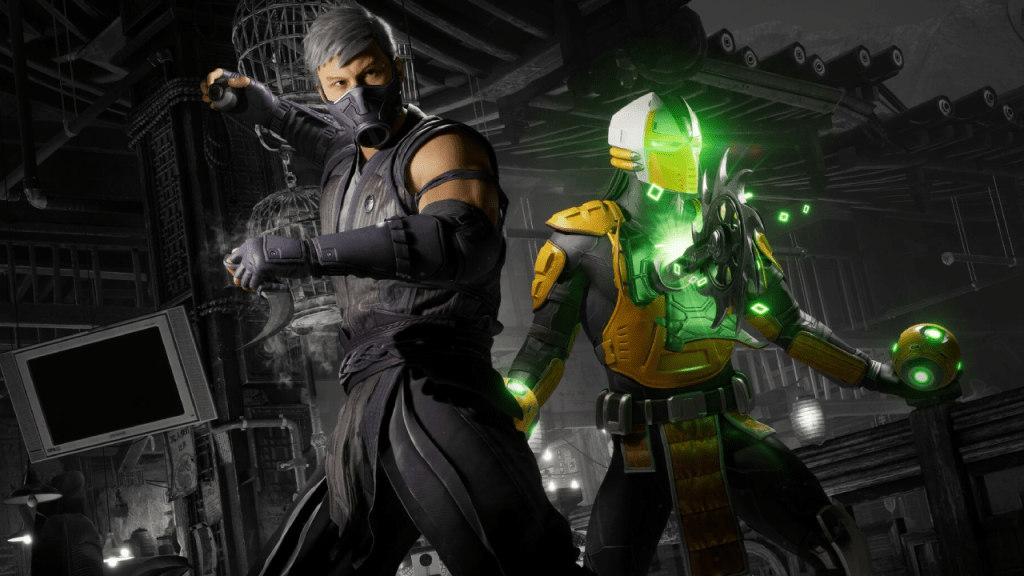
- What it is: The Kameo system, allowing players to call in assist characters during matches, was a major selling point.
- The issue: While innovative, many found the Kameo system to be unbalanced. Certain Kameos proved overwhelmingly powerful, leading to repetitive and frustrating match-ups. This unbalanced system created a meta that was not enjoyed by many.
2. Online Woes and Connectivity Problems
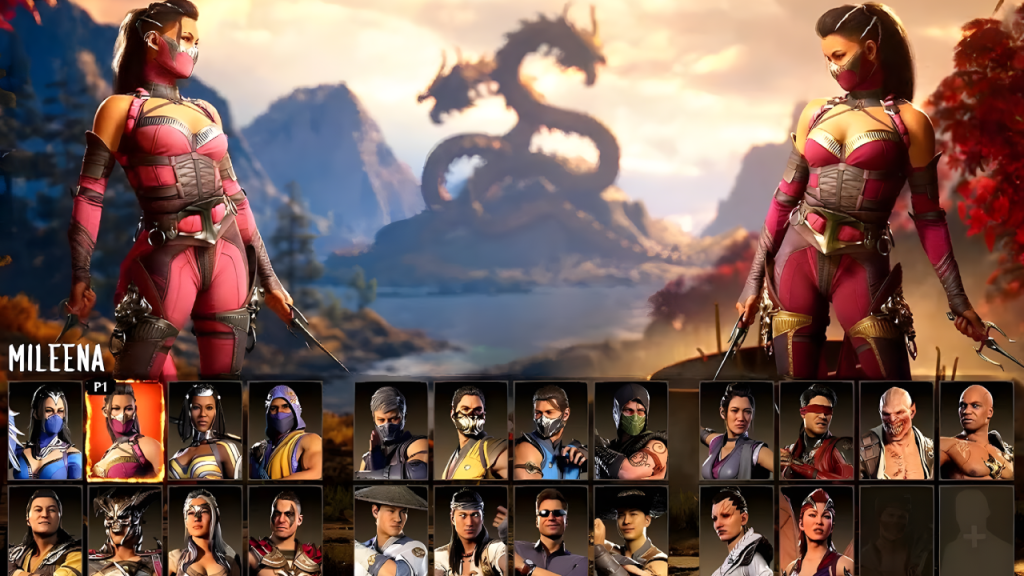
- The issue: Launch day (and beyond) was plagued by severe online connectivity issues. Matchmaking was unreliable, and lag was a frequent problem, hindering the competitive experience.
- Impact: For a game with a strong online community, these problems were a significant blow. Frustration with online play led many to put the game down.
3. Story Mode: A Missed Opportunity?
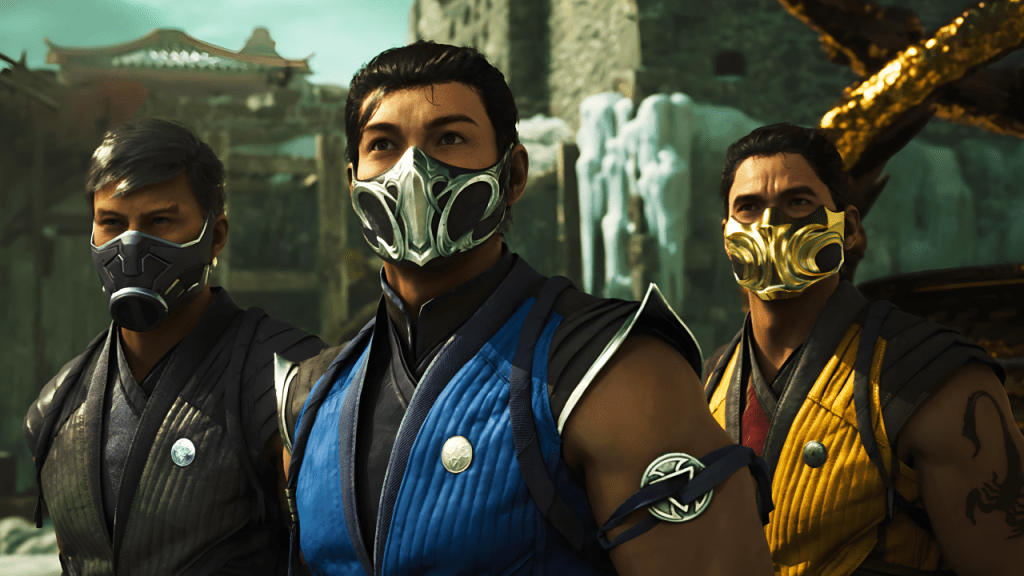
- The issue: While the story mode was visually impressive, some felt it lacked the narrative depth and character development of previous installments. Some plot points were seen as rushed, and certain character arcs felt underdeveloped.
- Fan expectations: Mortal Kombat is known for its elaborate and engaging story modes. MK1’s narrative, while ambitious, didn’t always hit the mark.
4. Monetization and Content Delivery
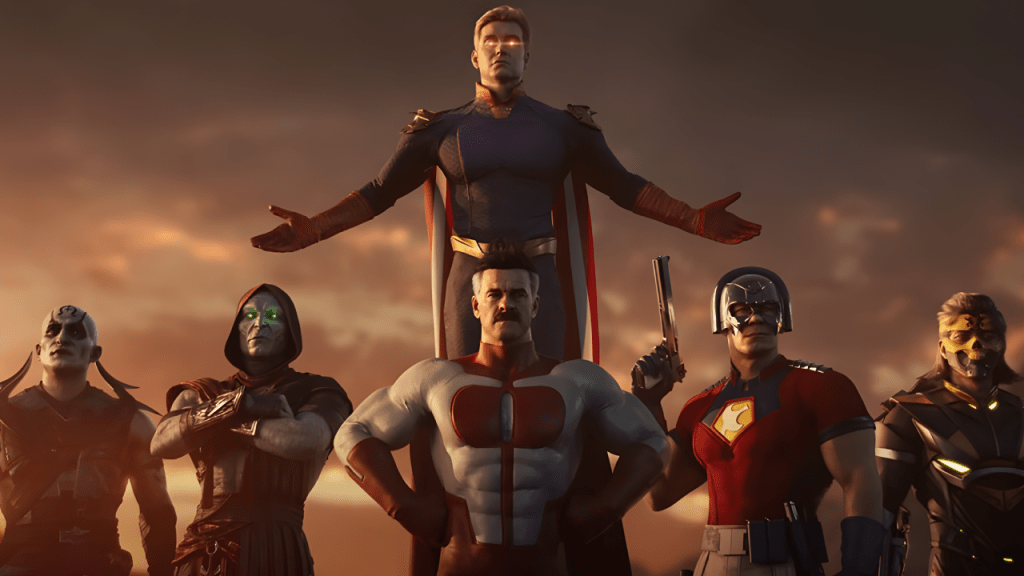
- The issue: Concerns over microtransactions and the pace of content delivery also contributed to fan dissatisfaction. The pricing of cosmetic items and the perceived slow rollout of new characters raised eyebrows.
- Community sentiment: Players expressed frustration with the feeling that the game was designed to incentivize spending rather than rewarding gameplay.
5. Gameplay and Balance Adjustments
- The issue: Beyond the Kameo system, some players felt that certain aspects of the core gameplay were unbalanced. Character move sets, hitboxes, and frame data were all subject to scrutiny and criticism.
- Community feedback: The fighting game community is highly vocal, and their feedback on gameplay balance played a significant role in shaping the perception of MK1.
Despite these criticisms, Mortal Kombat 1 isn’t without its merits. The visuals are stunning, and the core fighting mechanics are solid. However, its shortcomings highlight the importance of:
- Balanced gameplay: A well-balanced fighting system is crucial for long-term player engagement.
- Reliable online infrastructure: A smooth online experience is essential for any modern fighting game.
- Meaningful story and content: Players expect engaging narratives and a steady stream of content.
- Fair monetization: Microtransactions should enhance, not detract from, the gameplay experience.
Mortal Kombat 1’s reception serves as a valuable lesson for developers. While it introduced innovative features, it also stumbled in critical areas. By addressing these issues, future installments can learn from MK1’s missteps and deliver the experience fans truly desire.
What are your thoughts on Mortal Kombat 1? Share your opinions in the comments below!
 Fantastic Nerdom