
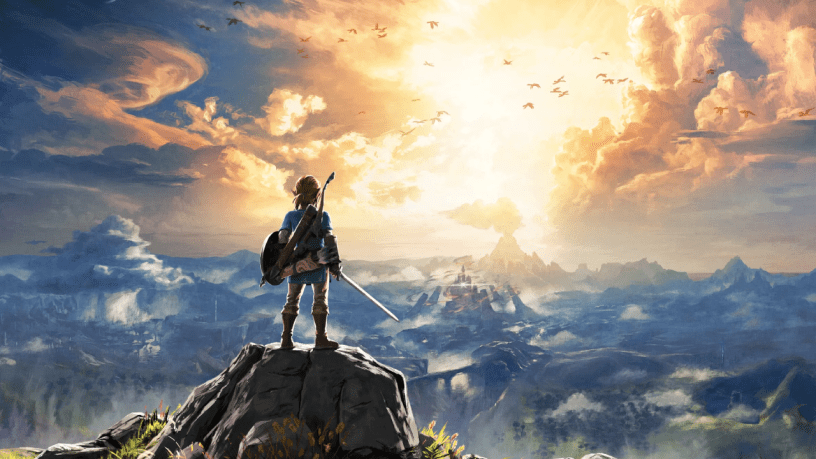
The Legend of Zelda is one of Nintendo’s most beloved franchises, captivating players for over three decades with its sprawling worlds, epic quests, and memorable characters. From the early days of the NES to the open-world wonder of Breath of the Wild, the series has a rich history packed with intriguing tidbits. Whether you’re a die-hard fan of Link or just stepping into Hyrule for the first time, here are 10 fascinating facts about The Legend of Zelda that will blow your mind!
1. The First Game Had a Second Quest Mode

When the original The Legend of Zelda launched on the NES in 1986, players were treated to an innovation that was revolutionary at the time: a second quest. After completing the game once, players could embark on a new adventure with completely remixed dungeons and item locations. This “Second Quest” essentially doubled the game’s replayability, making it one of the first titles to offer a more challenging experience after the initial playthrough.
Even today, this feature is celebrated as a hallmark of the original game’s creativity and replay value.
2. The Name “Zelda” Was Inspired by F. Scott Fitzgerald’s Wife

Shigeru Miyamoto, the creator of The Legend of Zelda, wanted a name that felt timeless and elegant for the princess in his game. He found inspiration in Zelda Fitzgerald, the wife of famous author F. Scott Fitzgerald (The Great Gatsby). Miyamoto loved the sound of her name, and thus, Princess Zelda was born. Meanwhile, Link’s name symbolizes his role as the “link” between the player and the game world.
Zelda Fitzgerald herself was a well-known socialite and writer, adding a bit of literary flair to the character’s legacy.
3. Link’s Iconic Green Tunic Was a Technical Necessity
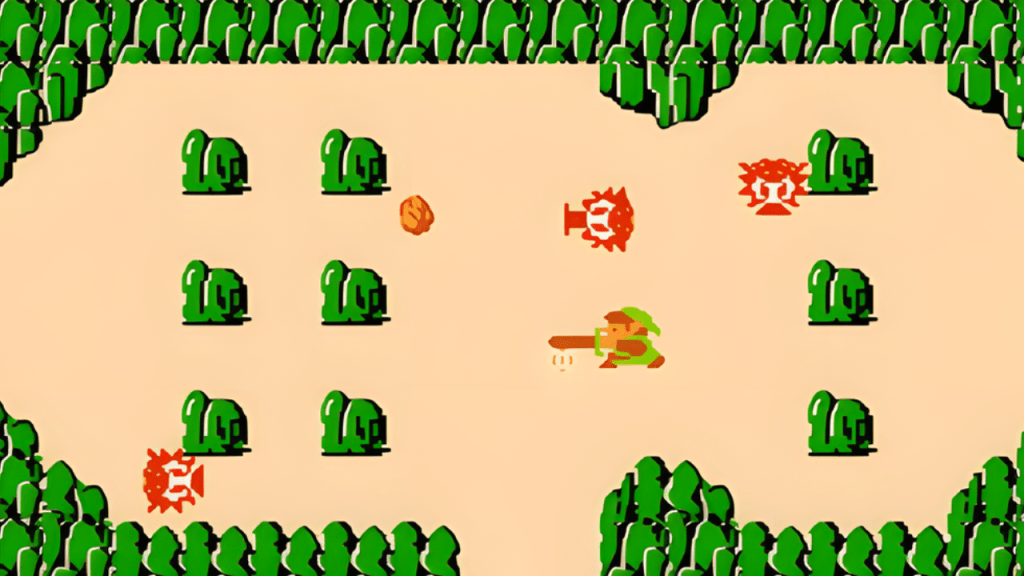
Link’s famous green tunic and hat weren’t just a stylistic choice—they were a necessity due to the technical limitations of the original NES. The hardware could only display a limited number of colors on the screen, so Miyamoto chose green for Link’s outfit to contrast against the game’s natural environments, like forests and fields. Over time, this simple design became iconic, and Link’s green tunic became a symbol of the hero across the franchise.
Although Breath of the Wild gives players many wardrobe options, the green tunic remains a fan favorite and often signifies Link’s legendary status.
4. The Master Sword Is Named After Real Swords

The Master Sword, one of the most iconic weapons in video game history, draws inspiration from real-world mythological swords. Miyamoto and his team named it after legendary swords like Excalibur, the mythical sword of King Arthur. In fact, many elements of The Legend of Zelda series, from its quest structure to its weaponry, are influenced by Arthurian legends and other classical myths.
The Master Sword, often called the “Blade of Evil’s Bane,” is central to Link’s destiny, appearing in nearly every major Zelda game as the ultimate tool to defeat Ganon.
5. Ocarina of Time Was Almost a First-Person Game

Considered one of the greatest games of all time, The Legend of Zelda: Ocarina of Time on the N64 originally had a very different design. During early development, the game was planned as a first-person adventure to help immerse players in its 3D world. However, the developers felt that seeing Link as a character was important for the player’s connection to the story and ultimately shifted back to a third-person perspective.
The result was a revolutionary game that redefined 3D adventure games, with its groundbreaking Z-targeting system and expansive, immersive world.
6. Majora’s Mask Was Made in Just Over a Year

The Legend of Zelda: Majora’s Mask stands out for its darker tone and unique time-based gameplay. What’s even more impressive is that the game was developed in just over a year, an unusually short timeframe for such an ambitious title. After the success of Ocarina of Time, Nintendo wanted to capitalize on its momentum by quickly creating a follow-up using the same game engine.
Despite the tight deadline, Majora’s Mask is considered a masterpiece, known for its emotional depth, eerie atmosphere, and challenging mechanics based around the repeating three-day cycle.
7. The Original Game Had No Sword at the Start

Unlike most Zelda games where Link starts with his trusty sword, in the original The Legend of Zelda, players begin with nothing. They have to explore and find their first weapon, the Wooden Sword, from an old man who delivers the now-famous line: “It’s dangerous to go alone! Take this.” This was a design choice meant to emphasize exploration and non-linearity, giving players a sense of discovery right from the start.
This unique beginning set the tone for the series, where exploration and the freedom to choose your path are key gameplay elements.
8. There’s a Zelda Game Without Link

Not all Zelda games feature the series’ heroic protagonist. The Legend of Zelda: Link’s Awakening was the first to exclude Zelda from the story altogether, focusing solely on Link’s journey to escape Koholint Island. However, the series also has a game that omits Link entirely: Freshly-Picked Tingle’s Rosy Rupeeland, a spin-off starring the peculiar rupee-obsessed character Tingle.
Though it’s far from the action-packed adventures of Link, this quirky title added a fun and strange layer to the Zelda universe.
9. The Timeline Is Divided Into Three Branches
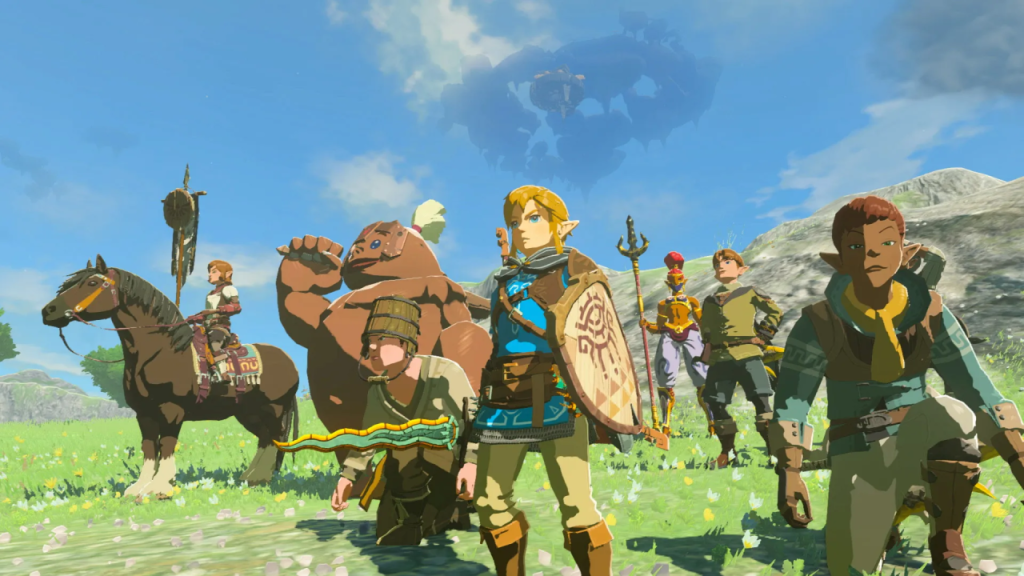
One of the most debated and intriguing aspects of The Legend of Zelda is its timeline. In 2011, Nintendo officially revealed that the timeline splits into three branches after the events of Ocarina of Time. The branches diverge depending on whether Link defeats Ganon, loses to him, or leaves the timeline entirely (by returning to his childhood). This leads to three separate but interconnected storylines, each explaining how different games in the series are related.
This timeline structure added a layer of depth to the lore of Zelda, sparking endless discussions among fans about where each game fits.
10. Breath of the Wild Broke from Zelda Traditions
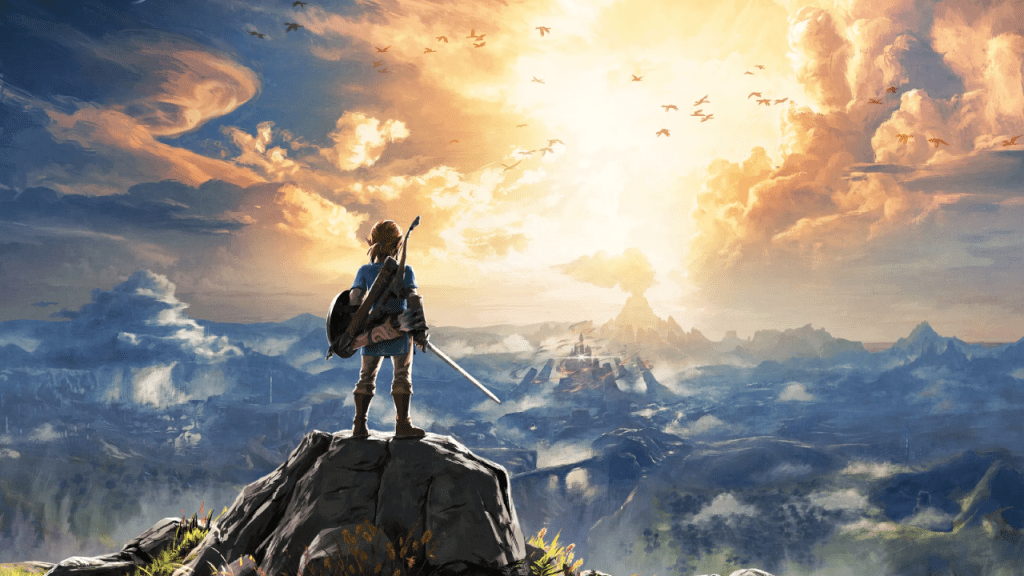
When The Legend of Zelda: Breath of the Wild was released in 2017, it redefined what a Zelda game could be. Moving away from the traditional dungeon-crawling formula, the game introduced a massive open world where players could explore freely and approach challenges in any order. The game’s non-linear structure, stamina system, and physics-based puzzles were revolutionary for the series.
Despite these changes, Breath of the Wild remained faithful to the core essence of Zelda, blending exploration, combat, and puzzle-solving in a seamless and expansive world.
Final Thoughts: The Legend of Zelda and Its Enduring Legacy
For over three decades, The Legend of Zelda has enchanted players with its rich storytelling, challenging gameplay, and unforgettable characters. Whether you’re journeying through the pixelated forests of the NES original or soaring across the skies of Skyward Sword, the series has maintained its status as one of the most beloved franchises in gaming. These 10 facts show just how much depth and creativity has gone into the making of Zelda, a series that continues to innovate while staying true to its roots.
Have a favorite Zelda moment or fact? Share it in the comments below!
 Fantastic Nerdom