

The Castle Wolfenstein series is one of the most iconic franchises in video game history, often credited with helping shape the first-person shooter (FPS) genre. From its humble 2D beginnings to its groundbreaking 3D transitions, Wolfenstein has become a household name for fans of action-packed, Nazi-blasting adventures. Whether you’re a long-time fan or new to the series, here are 10 fascinating facts about Castle Wolfenstein that you need to know.
1. The Birth of Castle Wolfenstein in 1981
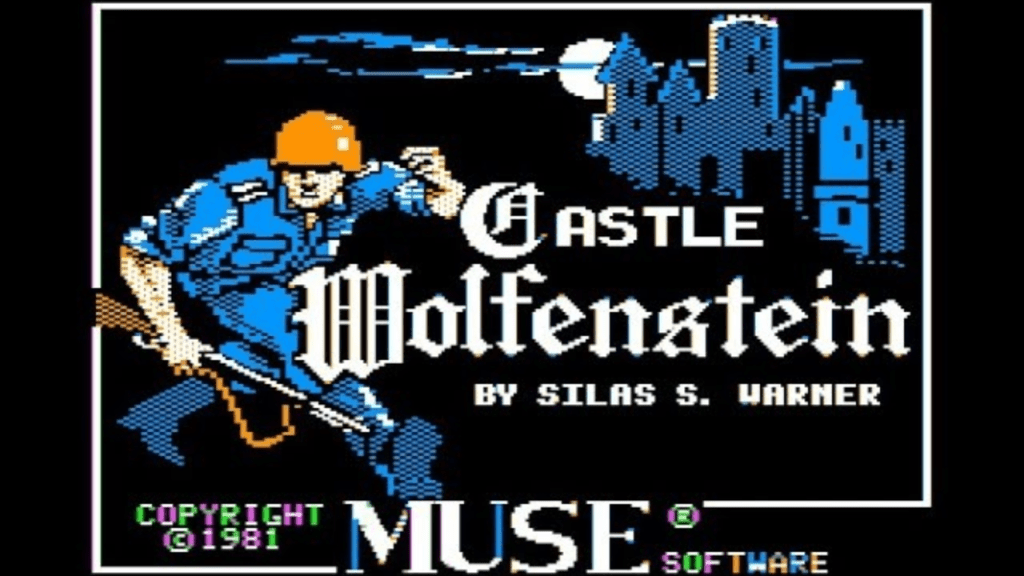
Castle Wolfenstein made its debut in 1981, created by Silas Warner and published by Muse Software. The game wasn’t a first-person shooter but rather a top-down, stealth-action game set during World War II. Players controlled a prisoner of war trying to escape from the Nazi-occupied Castle Wolfenstein. The game introduced early stealth mechanics, where players could don enemy uniforms, sneak past guards, and even threaten soldiers with guns.
Though the graphics were simple, Castle Wolfenstein was revolutionary for its time. The combination of action, stealth, and exploration made it stand out in the early ’80s gaming landscape, laying the groundwork for future titles in the series.
2. The First Game to Feature Realistic German Dialogue

A standout feature in the original Castle Wolfenstein was its use of digitized speech, a significant technological leap at the time. Muse Software added realistic German phrases such as “Halt!” and “Kommen sie!” to create an immersive experience. These audio cues alerted players when they were in danger, adding an extra layer of intensity to the gameplay.
The inclusion of speech was extremely rare for games in the early 1980s, making Castle Wolfenstein one of the first video games to include spoken dialogue in such a prominent way. This attention to detail would be a hallmark of the series in future installments.
3. The Evolution to First-Person Shooter (FPS)

In 1992, the Wolfenstein series transformed the gaming landscape with Wolfenstein 3D, developed by id Software. Often credited as the grandfather of first-person shooters, Wolfenstein 3D put players in the shoes of B.J. Blazkowicz, an American spy battling Nazi forces within the labyrinthine halls of Castle Wolfenstein.
While games like Doom would further popularize the FPS genre, Wolfenstein 3D was the one that set the stage. Its fast-paced, visceral action, combined with a groundbreaking 3D perspective, made it a massive success and a key influence on future first-person shooters. Without Wolfenstein 3D, the genre as we know it today might not exist.
4. B.J. Blazkowicz: The Ultimate Nazi Slayer
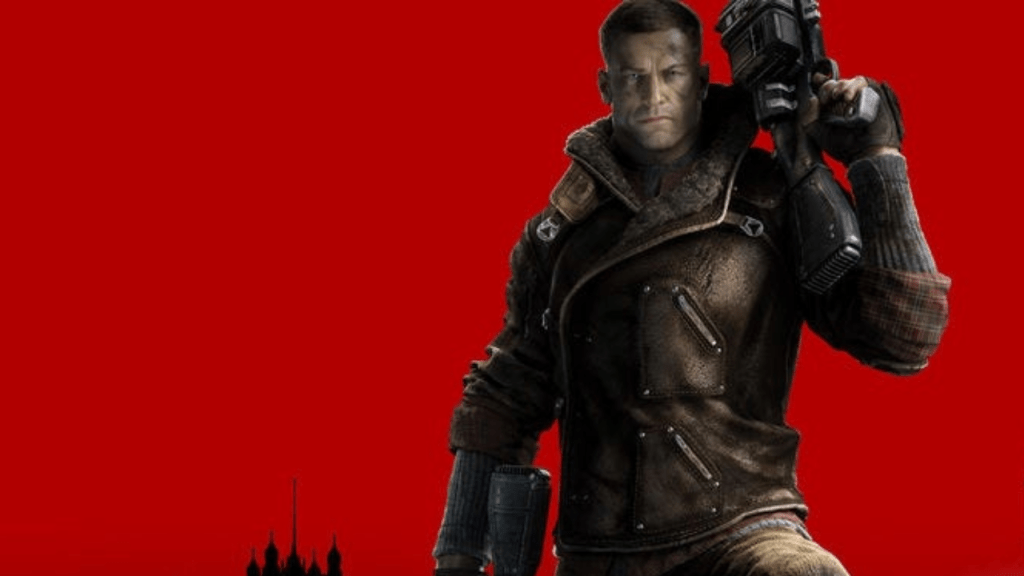
B.J. Blazkowicz, the protagonist of the Wolfenstein series, has become one of gaming’s most iconic characters. First introduced in Wolfenstein 3D, B.J. is a tough-as-nails soldier of Polish-Jewish descent who consistently finds himself in the middle of Nazi strongholds, thwarting evil plans and defeating high-ranking officers.
What makes B.J. unique is his evolution over the years. In more recent titles like Wolfenstein: The New Order (2014) and Wolfenstein II: The New Colossus (2017), his character was further developed, showcasing deeper emotional complexities and a darker, dystopian vision of the world. Blazkowicz is a hero not only for his combat prowess but also for his relentless drive to fight oppression in all its forms.
5. The Influence of Wolfenstein 3D on Modern Gaming
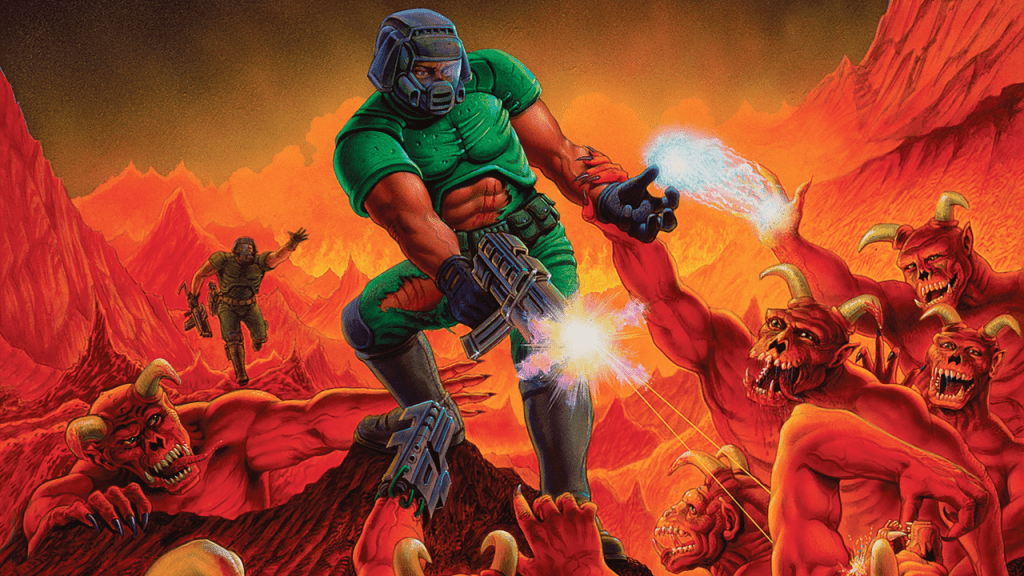
Without Wolfenstein 3D, there’s a strong argument to be made that the FPS genre wouldn’t have exploded the way it did. The game’s success demonstrated that first-person shooters could work on home computers and helped pave the way for future classics like Doom, Quake, and Half-Life.
The legacy of Wolfenstein 3D continues to be felt today in the design of modern shooters, from its fluid control scheme to its simple yet effective level design. The game’s core mechanics — fast-paced action, exploration, and creative level layouts — remain staples in the FPS genre to this day.
6. Return to Castle Wolfenstein: A Cinematic Reboot
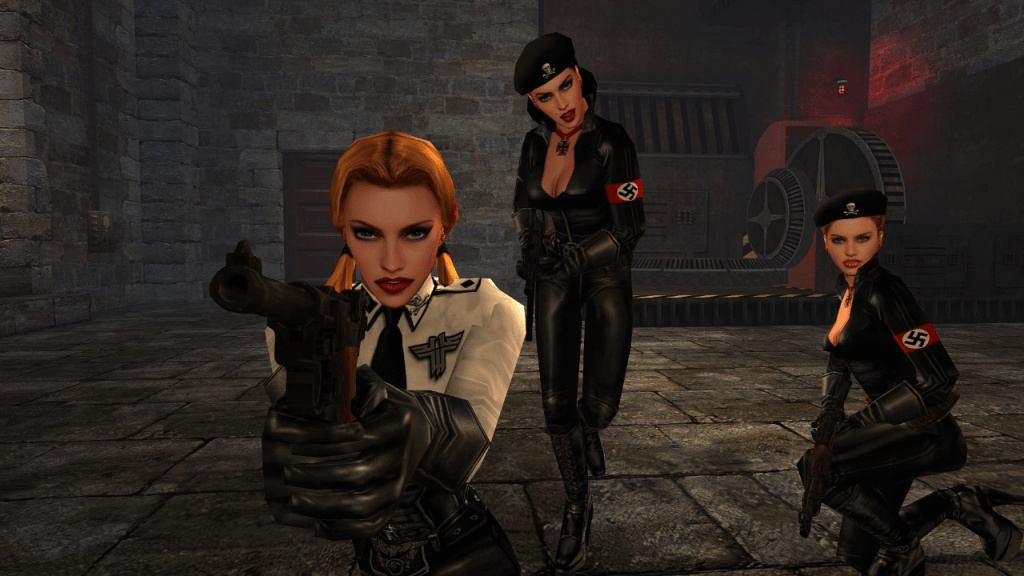
After a long hiatus, Return to Castle Wolfenstein hit the gaming scene in 2001, serving as a reboot of the franchise. Developed by Gray Matter Interactive and published by Activision, this title brought the series into the 21st century with stunning visuals, a more cinematic approach to storytelling, and a greater focus on supernatural elements, including Nazi experiments and occult mysteries.
This game also introduced an online multiplayer mode, which became a big hit, especially in the early days of online FPS gaming. Return to Castle Wolfenstein’s multiplayer laid the groundwork for future competitive shooter experiences like Call of Duty.
7. The Introduction of the Alternate History Genre

Though Wolfenstein always had a flair for the fantastical, the series truly embraced the alternate history genre in the 2010s with titles like Wolfenstein: The New Order. These games imagined a world where the Nazis won World War II and now control the globe. The dystopian setting became a major part of the series’ identity, exploring dark “what-if” scenarios, complete with robotic Nazi soldiers and bizarre futuristic technology.
This alternate history take allowed the developers to create a more complex narrative, exploring themes like resistance, oppression, and survival under an authoritarian regime. It also gave the franchise a fresh, modern identity that appealed to a new generation of gamers.
8. A Long-Running Partnership with id Software

Though id Software is known for its iconic titles like Doom and Quake, their relationship with Wolfenstein is equally historic. Wolfenstein 3D was one of the first major successes for id Software, and the company has continued to work on the franchise in various capacities.
In recent years, MachineGames, a subsidiary of ZeniMax Media (which also owns id Software), has taken over development of the series, keeping that core id Software DNA intact. Wolfenstein’s fast-paced, over-the-top action remains a key part of its appeal, even as new developers have put their stamp on the series.
9. Wolfenstein’s Return to Multiplayer Excellence
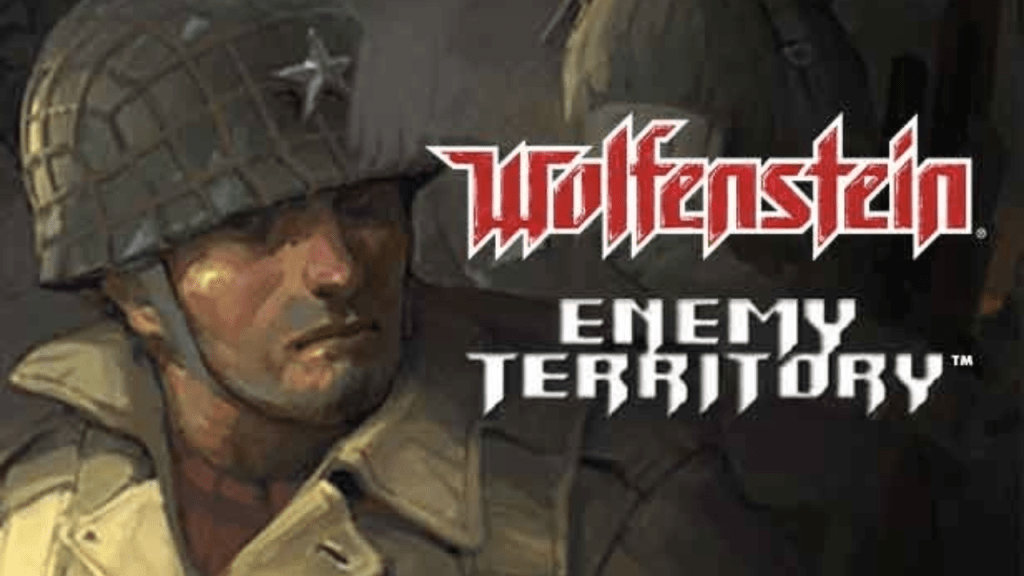
Multiplayer has been a consistent feature in many Wolfenstein games, starting with Return to Castle Wolfenstein’s beloved multiplayer mode. This aspect of the series got a major boost with Wolfenstein: Enemy Territory in 2003, a free-to-play standalone game focused entirely on multiplayer.
Enemy Territory became a cult hit for its class-based team mechanics, emphasizing strategy and teamwork in large, objective-based maps. This multiplayer-only entry showed that Wolfenstein wasn’t just about its single-player campaign but could also dominate in the competitive multiplayer arena.
10. Wolfenstein and Its Hollywood Connection

While the Wolfenstein series has yet to see a full-fledged movie adaptation, the cinematic storytelling in games like Wolfenstein: The New Order has drawn comparisons to blockbuster action films. The gritty cutscenes, complex characters, and immersive world-building make it one of the most cinematic gaming franchises today.
Rumors of a Wolfenstein movie adaptation have circulated for years, and with the success of video game films like The Super Mario Bros. Movie and Sonic the Hedgehog, it’s possible that B.J. Blazkowicz might someday grace the silver screen. Until then, Wolfenstein remains one of the most cinematic gaming experiences, delivering epic storylines, jaw-dropping set pieces, and unforgettable moments.
Why Castle Wolfenstein Remains a Classic
From its humble beginnings as a stealth-based action game to its evolution as a groundbreaking first-person shooter, Castle Wolfenstein has left an indelible mark on video game history. Its influence can be seen in nearly every modern FPS, and its commitment to storytelling, action, and innovation has ensured its place as one of the most beloved franchises in gaming.
Whether you’re a longtime fan or just diving into the series, there’s no denying the legacy of Wolfenstein. Its ability to adapt and evolve over time while maintaining its core identity is a testament to its lasting appeal. With new titles on the horizon, the future of Wolfenstein looks just as exciting as its past.
 Fantastic Nerdom