
Artificial Intelligence (AI) is a critical component of modern video games, often serving as the backbone for non-playable characters (NPCs) that interact with players. However, not all AI systems are created equal. While some games boast intelligent, responsive, and challenging AI, others suffer from AI that is downright terrible, leading to frustrating or downright hilarious gameplay experiences. In this blog, we’ll explore some of the most infamous examples of poor AI in video games, examining what went wrong and how it impacted the player experience.
1. Days Gone

“Days Gone” is a game that promises intense survival horror, especially when dealing with the Freaker hordes. However, when it comes to the human enemies, the AI is disappointingly bad. Bandits often fail to notice their comrades being picked off right next to them, allowing players to sneak through encounters that should have been tense and dangerous. This lack of awareness and responsiveness significantly diminishes the challenge and immersion that the game tries to build.
2. Aliens: Colonial Marines
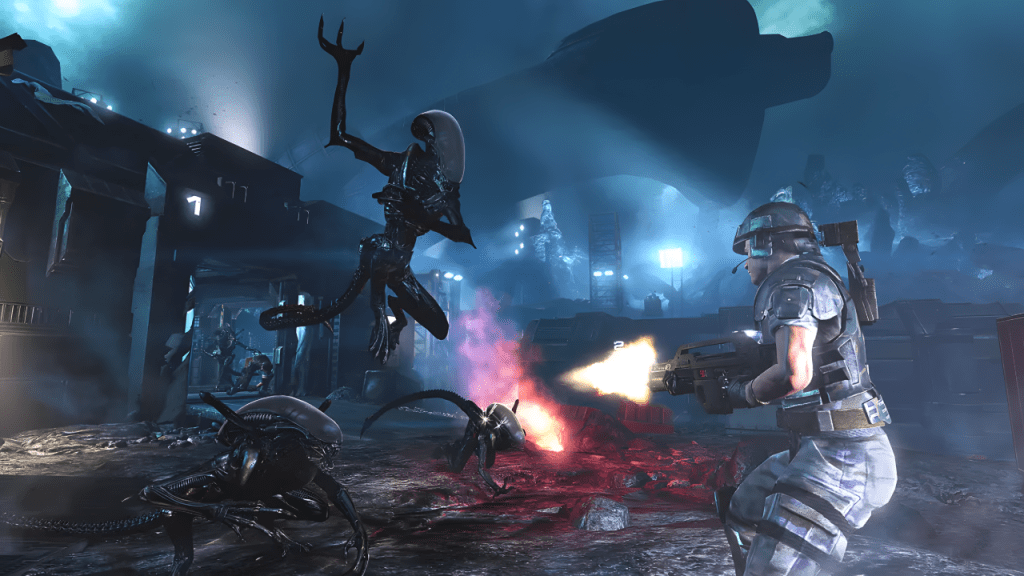
One of the most notorious examples of bad AI in video game history is found in “Aliens: Colonial Marines.” This game was highly anticipated but quickly became infamous due to its poorly designed AI. The Xenomorphs, which should have been terrifying, were instead laughably inept. Due to a simple typo in the game’s code, the aliens’ behavior was erratic, often ignoring players or running in nonsensical patterns. This bug completely ruined the tension and fear that the game was supposed to evoke.
3. Elite Dangerous
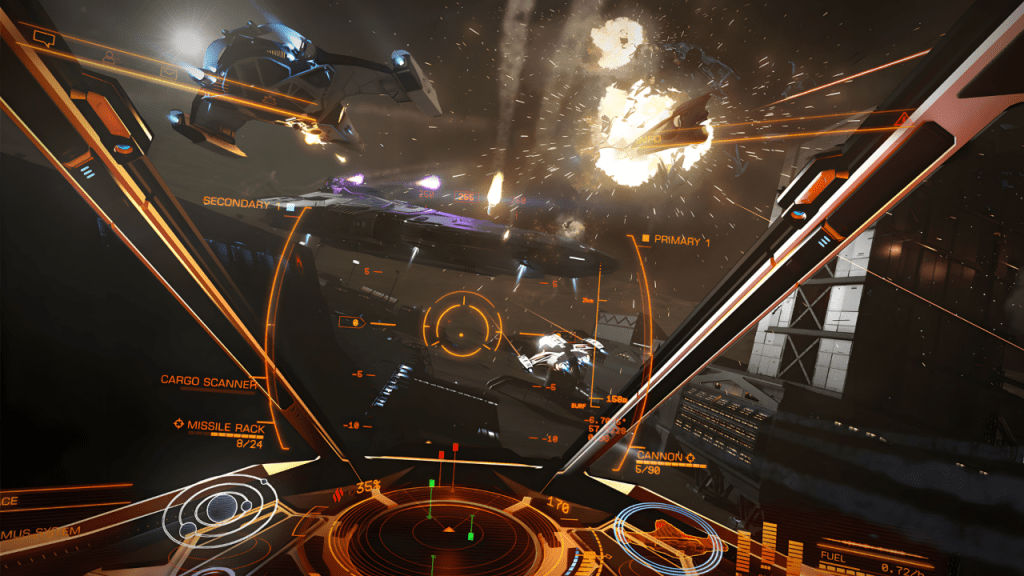
“Elite Dangerous” is an ambitious space simulation game, known for its vast open-world and complex systems. However, the game’s AI has had its share of issues, particularly after a patch that aimed to make NPCs more challenging. Instead, the AI became overwhelmingly powerful, with NPCs engineering weapons that were far beyond what players could handle. This imbalance turned the game from a strategic space exploration experience into an unfair and frustrating ordeal, forcing developers to roll back the changes.
4. Dead Rising
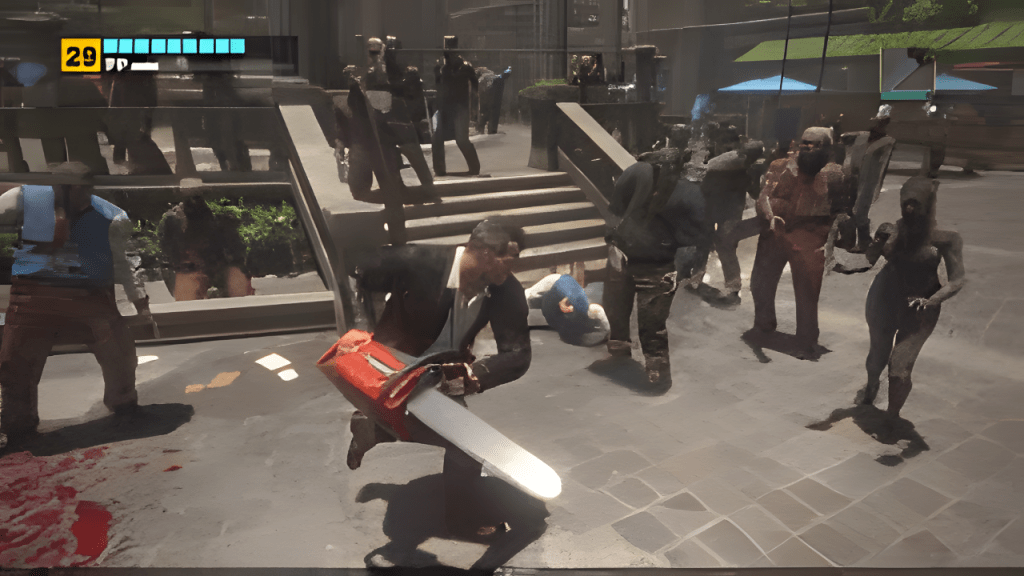
The original “Dead Rising” is remembered fondly for its creative zombie-killing gameplay, but its AI-controlled survivors are a different story. Tasked with rescuing these survivors, players often found themselves more frustrated with their allies than with the zombies. The survivors had a tendency to walk directly into danger, fail to defend themselves, and generally act as though they had no interest in surviving the zombie apocalypse. This made escort missions, which are already a divisive feature in games, even more exasperating.
5. Daikatana

John Romero’s “Daikatana” is often cited as one of the biggest flops in gaming history, and its AI companions are a large part of the reason why. Superfly Johnson and Mikiko, the player’s AI-controlled partners, are infamous for their terrible pathfinding, tendency to get stuck on level geometry, and their ability to accidentally (or perhaps intentionally) kill the player. These AI failures contributed to the game’s poor reception and its place in gaming infamy.
6. Skyrim
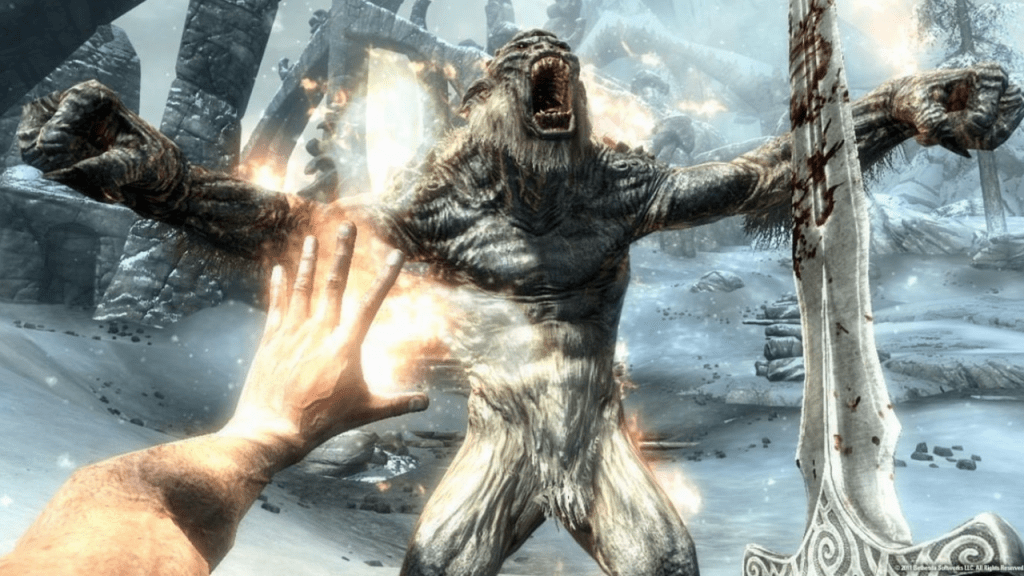
“The Elder Scrolls V: Skyrim” is one of the most beloved RPGs of all time, but it is also notorious for its AI glitches. One of the most infamous is the “bucket trick,” where players could place a bucket over an NPC’s head to effectively blind them, allowing the player to steal everything in sight without consequence. This and other AI quirks, like guards who forget crimes instantly or NPCs who follow you across the entire map, add a layer of unintentional humor to the game, though they can break immersion.
7. GoldenEye 007

While “GoldenEye 007” for the Nintendo 64 is a classic, it isn’t without its flaws, particularly when it comes to AI. The character Natalya, whom you must protect in certain missions, is especially problematic. She has a bad habit of walking directly into enemy fire, getting stuck on doorways, and generally making escort missions far more difficult than they should be. These issues are frustrating enough to tarnish an otherwise groundbreaking game.
8. Big Rigs: Over the Road Racing
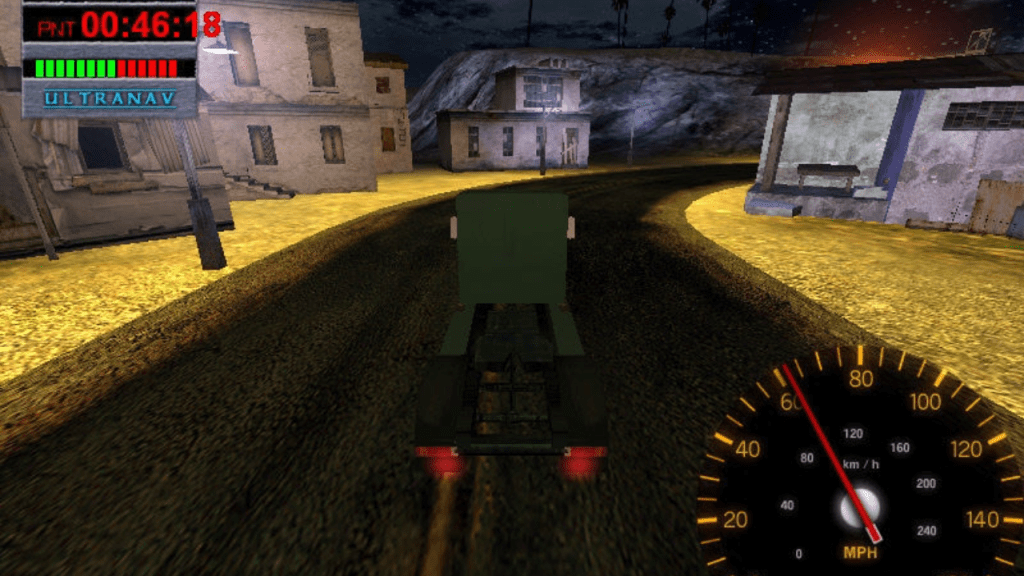
No discussion of bad AI would be complete without mentioning “Big Rigs: Over the Road Racing.” Often cited as one of the worst games of all time, its AI is practically non-existent. In this truck racing game, your AI opponent doesn’t even bother to finish the race, stopping just short of the finish line every time. This renders the game completely devoid of challenge, as you’re effectively racing against yourself.
9. Fallout 76

“Fallout 76” launched with a myriad of issues, but its AI was among the most glaring. NPCs often exhibited bizarre behavior, such as getting stuck in T-poses, repeating lines ad nauseam, or failing to recognize player actions. These issues compounded the game’s already shaky launch and contributed to its poor initial reception. Bethesda has since patched many of these problems, but the early days of “Fallout 76” were a low point for AI in gaming.
AI in video games plays a crucial role in creating immersive, challenging, and believable worlds. However, when AI fails, it can have the opposite effect, breaking immersion and frustrating players. The games mentioned above serve as reminders that even in the most polished titles, AI can be a significant point of failure. As game development continues to evolve, hopefully, lessons from these missteps will lead to smarter, more responsive AI in future games.
For those looking to avoid these pitfalls, or perhaps to experience them firsthand, these titles are perfect examples of how bad AI can turn a potentially great game into a notorious flop.
 Fantastic Nerdom