
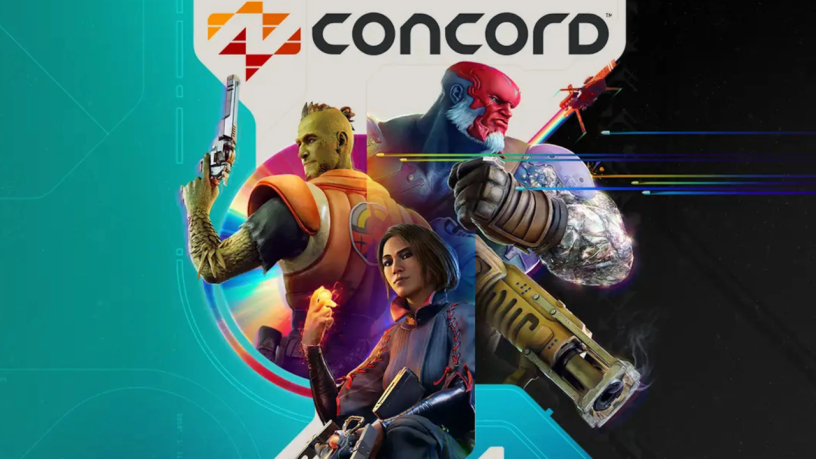
In what might be one of the most abrupt endings in gaming history, Sony’s “Concord,” a hero shooter developed by Firewalk Studios, has been pulled from the market just two weeks after its launch. This decision, announced on September 3, 2024, marks a significant blow to Sony’s aspirations in the live-service game sector, highlighting the volatile nature of the gaming industry where even years of development can lead to a swift shutdown.
The Rise and Fall of Concord

“Concord” was pitched as Sony’s entry into the competitive arena of hero shooters, a genre dominated by titles like “Overwatch” and “Apex Legends.” With a development cycle spanning eight years, expectations were high for “Concord” to carve out its niche with unique gameplay mechanics and a compelling universe. However, from the moment of its release on August 23, 2024, “Concord” struggled to find its footing.
Why Did Concord Fail?

Several factors contributed to “Concord’s” downfall:
- Market Saturation: The hero shooter genre is fiercely competitive. “Concord” launched without a significant unique selling proposition, making it hard to stand out.
- Pricing Strategy: Priced at $40, “Concord” was positioned against free-to-play giants, which might have deterred potential players accustomed to not paying upfront for similar experiences.
- Player Engagement: Reports indicated that “Concord” peaked at around 697 concurrent players on Steam, a figure that’s alarmingly low for a new release from a major publisher like Sony. This lack of player engagement made matchmaking difficult, further exacerbating the game’s issues.
- Critical Reception: While “Concord” received praise for its graphics and gameplay mechanics, it was criticized for lacking innovation, which in a genre defined by its characters and gameplay, is crucial.
The Shutdown and Refunds

Sony’s decision to shutter “Concord” was not just about pulling the plug but also about damage control. All sales ceased immediately following the announcement, and Sony promised full refunds for all purchases, a move aimed at mitigating customer dissatisfaction. This step, while unprecedented for a game of its scale, underscores the risks of entering an oversaturated market without a compelling differentiator.
The Aftermath and Industry Implications
The failure of “Concord” raises questions about Sony’s strategy in the live-service game space. With ambitions to launch twelve live-service games by March 2026, this setback might prompt a reevaluation of their approach. The gaming community, meanwhile, is left pondering the future of such ambitious projects. Could “Concord” make a comeback, perhaps as a free-to-play model, or is this truly the end?
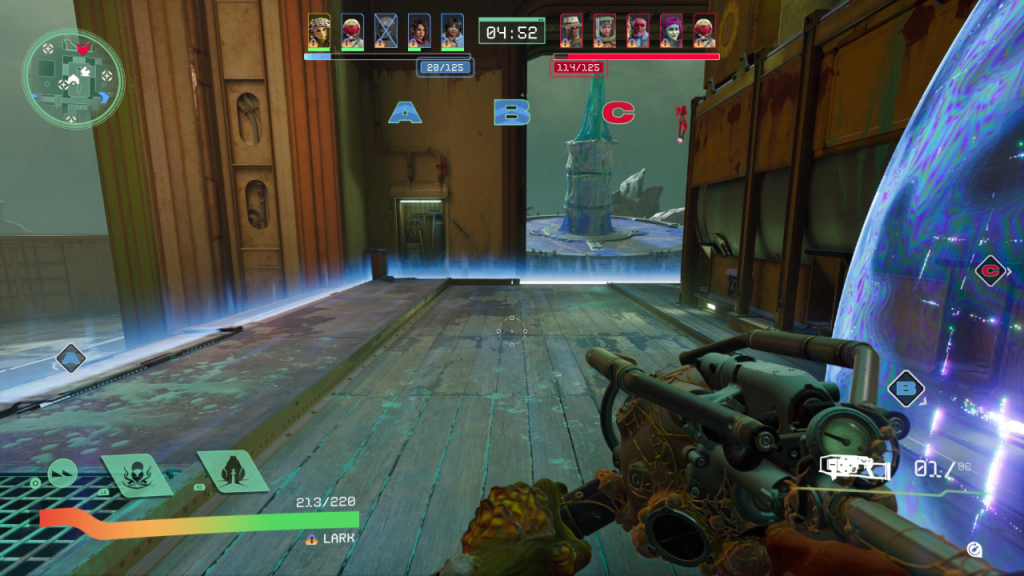
“Concord’s” story serves as a cautionary tale in the gaming industry. It’s a reminder that even with substantial investment and time, success is not guaranteed. For Sony, Firewalk Studios, and gamers alike, this episode might just be the beginning of a new chapter in understanding what players truly value in their gaming experiences. As the industry watches, the lessons from “Concord” could reshape how future games are developed, marketed, and sustained in an ever-evolving digital landscape.
 Fantastic Nerdom