
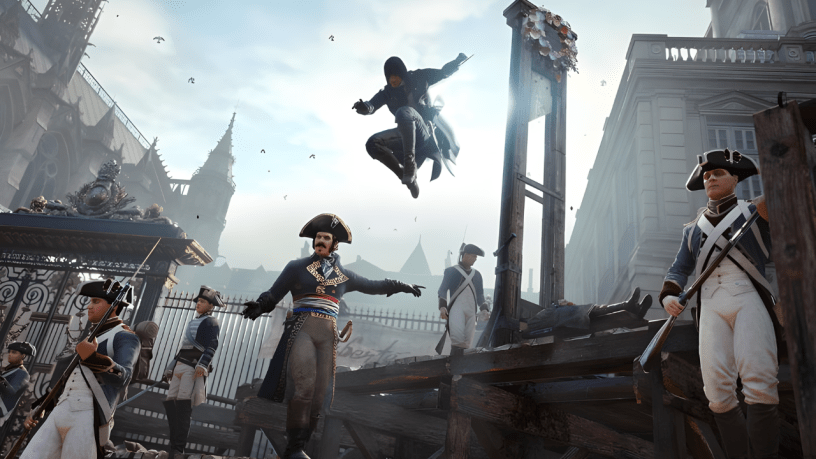
Assassin’s Creed, a franchise known for its historical fiction and open-world gameplay, has captivated millions of players worldwide. Since its inception in 2007, the series has explored various historical periods and locations, blending parkour, stealth, and action into a unique gaming experience. This blog delves into the complete history of the Assassin’s Creed franchise, including its latest upcoming entries, “Assassin’s Creed Mirage” and “Assassin’s Creed Shadows.” Whether you’re a long-time fan or new to the series, this comprehensive guide will provide you with all you need to know.
Origins of Assassin’s Creed (2007)
1. Assassin’s Creed (2007)

The journey began with the release of “Assassin’s Creed” in 2007. Developed by Ubisoft Montreal, the game introduced players to Desmond Miles, a bartender who is abducted by a mysterious organization called Abstergo Industries. Through a device known as the Animus, Desmond relives the genetic memories of his ancestor, Altaïr Ibn-La’Ahad, an Assassin during the Third Crusade in the Holy Land. The game was praised for its innovative gameplay mechanics, including parkour-based movement, social stealth, and a rich, immersive world. Despite some criticisms regarding repetitive mission structures, “Assassin’s Creed” was a commercial success and laid the groundwork for a sprawling franchise.
The Ezio Trilogy: A Renaissance Epic (2009-2011)
2. Assassin’s Creed II (2009)

Building on the foundations of the first game, “Assassin’s Creed II” introduced players to Ezio Auditore da Firenze, a charming and skilled Assassin in Renaissance Italy. The game expanded on the original’s mechanics with improved combat, a more engaging story, and a diverse range of missions. Players explored iconic cities like Florence, Venice, and Rome, while uncovering a deeper conspiracy involving the Templars.
3. Assassin’s Creed Brotherhood (2010)

Continuing Ezio’s story, “Assassin’s Creed Brotherhood” was set primarily in Rome. It introduced the innovative Brotherhood system, allowing players to recruit and train new Assassins to aid in their missions. The game also featured the franchise’s first multiplayer mode, adding a new dimension to the series.
4. Assassin’s Creed Revelations (2011)

“Assassin’s Creed Revelations” concluded Ezio’s journey while tying back to Altaïr’s story. Set in Constantinople, the game introduced new gameplay elements like the hookblade and bomb crafting. It also deepened the series’ lore, exploring the connections between the Assassins and the First Civilization.
Expanding the Horizons: New Eras and Innovations (2012-2015)
5. Assassin’s Creed III (2012)
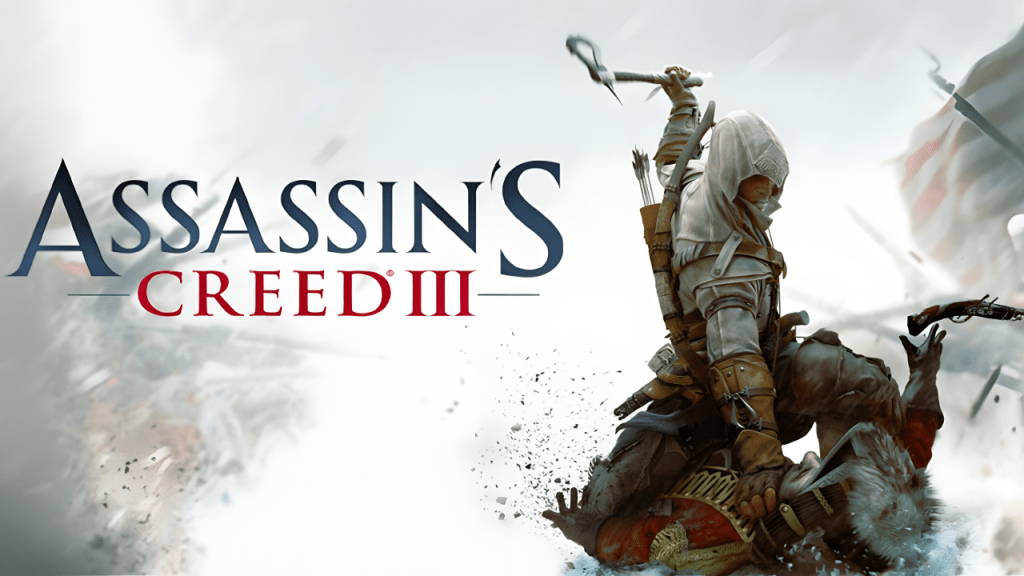
“Assassin’s Creed III” shifted the setting to the American Revolutionary War, introducing players to Connor Kenway, a half-Mohawk, half-British Assassin. The game featured an expansive open world, naval combat, and a complex narrative that intertwined with historical events. Despite some mixed reviews, it was a significant evolution for the series.
6. Assassin’s Creed IV: Black Flag (2013)
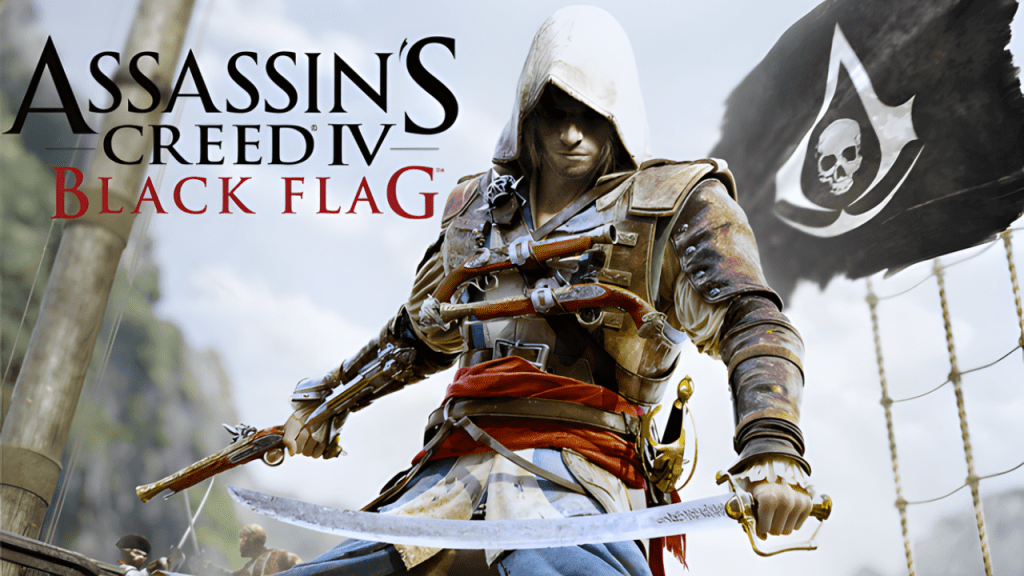
“Assassin’s Creed IV: Black Flag” took the franchise to the Golden Age of Piracy. Players controlled Edward Kenway, a pirate and Assassin, exploring the Caribbean Sea. The game was lauded for its open-world exploration, naval combat, and vibrant setting, becoming a fan favorite.
7. Assassin’s Creed Rogue (2014)
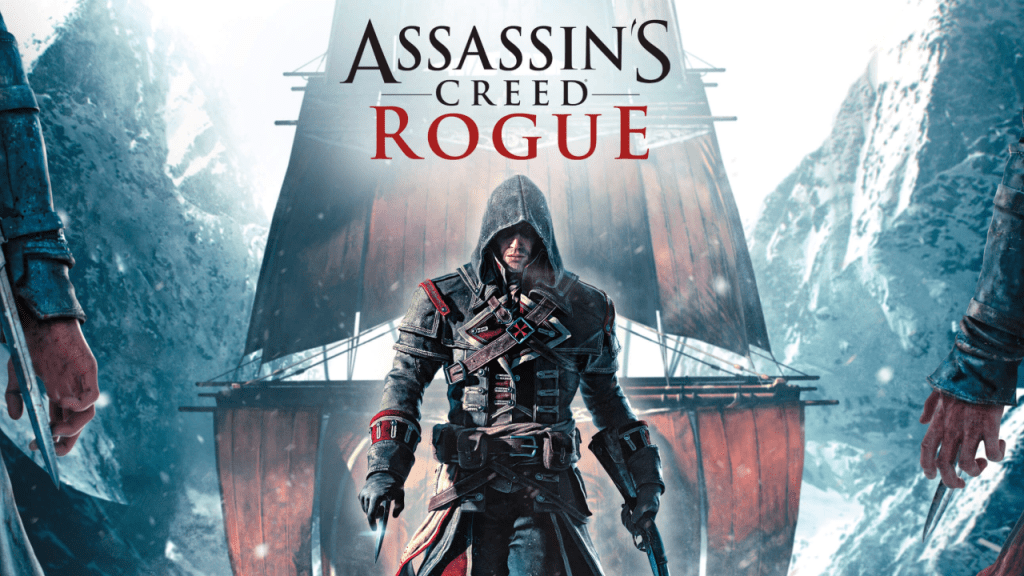
Set during the Seven Years’ War, “Assassin’s Creed Rogue” followed Shay Cormac, a former Assassin turned Templar. The game bridged the gap between “Assassin’s Creed III” and “Black Flag,” offering a unique perspective from the Templar side.
8. Assassin’s Creed Unity (2014)

“Assassin’s Creed Unity” brought the series to the French Revolution. The game introduced Arno Dorian, an Assassin navigating the tumultuous streets of Paris. Despite its beautiful recreation of the city, “Unity” faced criticism for technical issues at launch. However, it was praised for its detailed environments and cooperative multiplayer mode.
9. Assassin’s Creed Syndicate (2015)

Set in Victorian London, “Assassin’s Creed Syndicate” featured twin protagonists, Jacob and Evie Frye. The game focused on gang warfare and the industrial revolution, with a more streamlined combat system and the introduction of new gadgets like the grappling hook.
Reinvention and Renewal: The RPG Era (2017-Present)
10. Assassin’s Creed Origins (2017)

“Assassin’s Creed Origins” marked a significant shift in the franchise, introducing RPG elements and a vast open world set in ancient Egypt. Players took on the role of Bayek of Siwa, uncovering the origins of the Assassin Brotherhood. The game was praised for its rich world-building, deep narrative, and revitalized gameplay mechanics.
11. Assassin’s Creed Odyssey (2018)
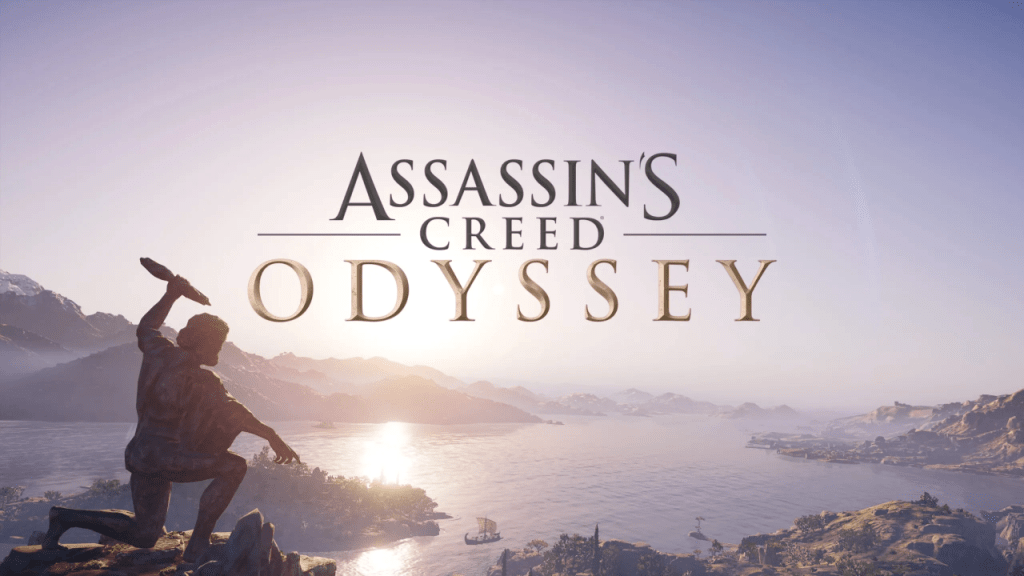
Continuing the RPG approach, “Assassin’s Creed Odyssey” was set in ancient Greece during the Peloponnesian War. Players chose between two protagonists, Alexios or Kassandra, and navigated a branching narrative with multiple endings. The game expanded on the RPG mechanics, offering extensive customization and exploration.
12. Assassin’s Creed Valhalla (2020)
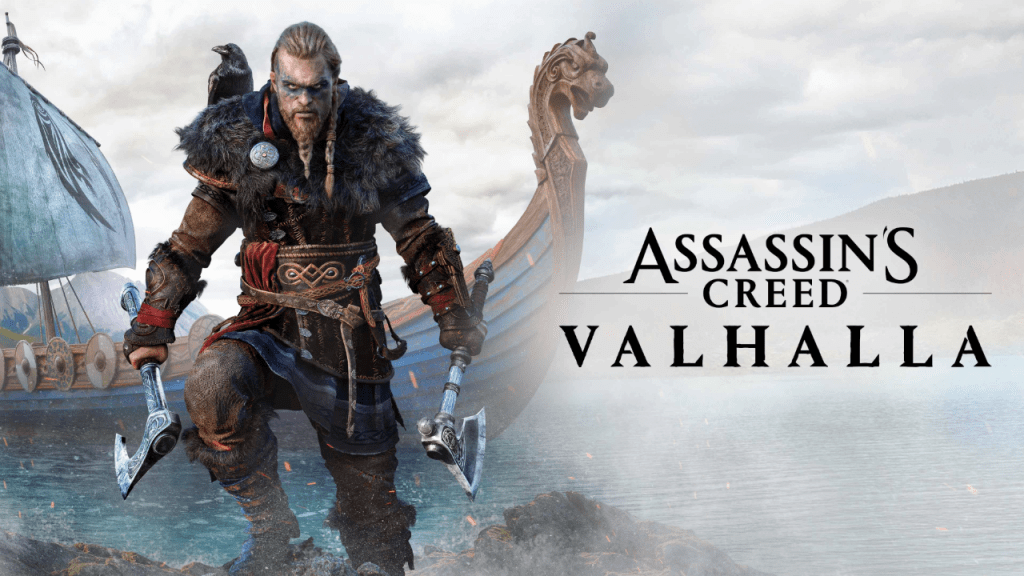
“Assassin’s Creed Valhalla” transported players to the Viking Age, following Eivor, a Viking raider, as they established a settlement in England. The game featured large-scale raids, settlement management, and a narrative that intertwined Norse mythology with historical events. It continued to build on the RPG mechanics introduced in “Origins” and “Odyssey,” receiving acclaim for its immersive world and engaging gameplay.
The Latest Upcoming Entries: Assassin’s Creed Mirage (2024) and Assassin’s Creed Shadows (2024)
13. Assassin’s Creed Mirage (2024)

Scheduled for release in October 2024, “Assassin’s Creed Mirage” is highly anticipated by fans. Set in Baghdad during the Islamic Golden Age, the game promises a return to the series’ roots with a focus on stealth, parkour, and assassination. Players will control Basim Ibn Ishaq, a character introduced in “Valhalla,” exploring his backstory and journey within the Assassin Brotherhood. Unlike recent RPG-heavy titles, “Mirage” aims for a tighter, more focused experience with a playtime of around 20-30 hours
14. Assassin’s Creed Shadows (2024)
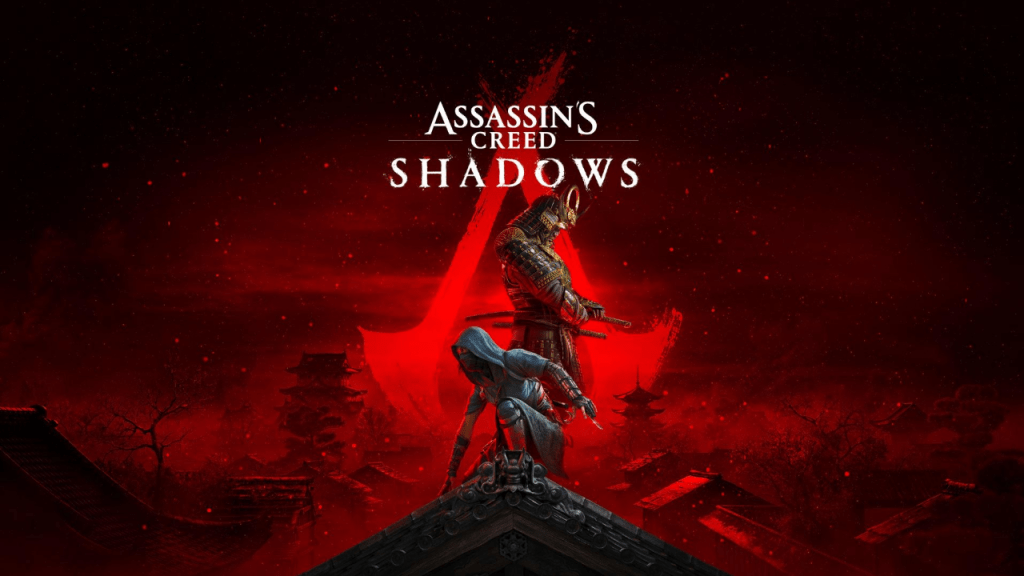
“Assassin’s Creed Shadows,” previously known as Codename Red, is set to release in November 2024. This game takes place in Feudal Japan during the Azuchi-Momoyama period and features dual protagonists: Yasuke, the first Black samurai, and Naoe, a ninja. This entry will blend traditional Assassin’s Creed stealth and parkour with the combat mechanics reminiscent of samurai and ninja styles. The game aims to deliver a rich, historical experience, allowing players to explore the cultural and political landscapes of Feudal Japan
Expanding the Universe: Spin-offs and Media
Assassin’s Creed Chronicles Series
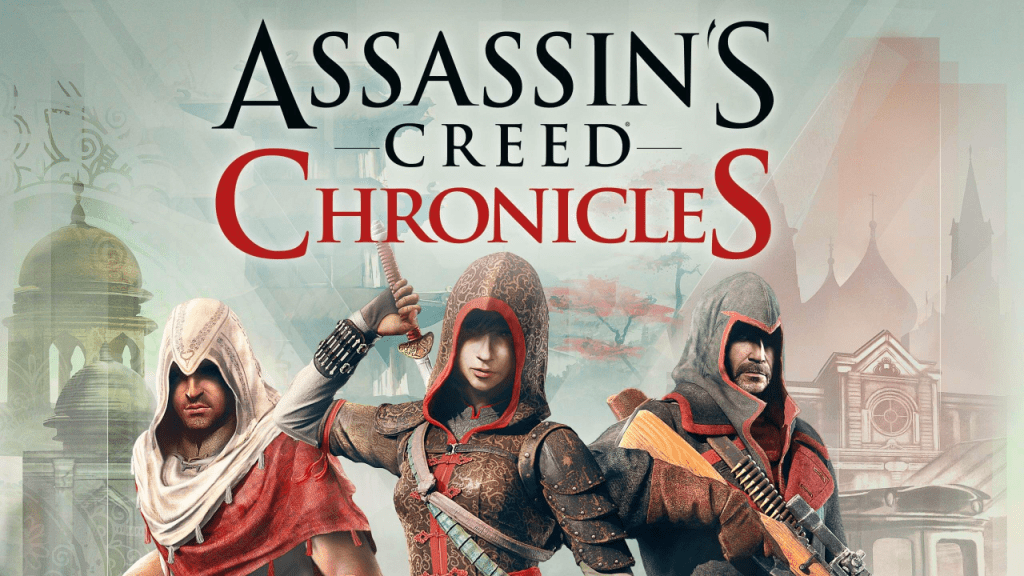
The “Assassin’s Creed Chronicles” series consists of three side-scrolling platformers set in China, India, and Russia. These games offer a different gameplay experience while exploring lesser-known historical settings and Assassins.
Assassin’s Creed: Liberation (2012)
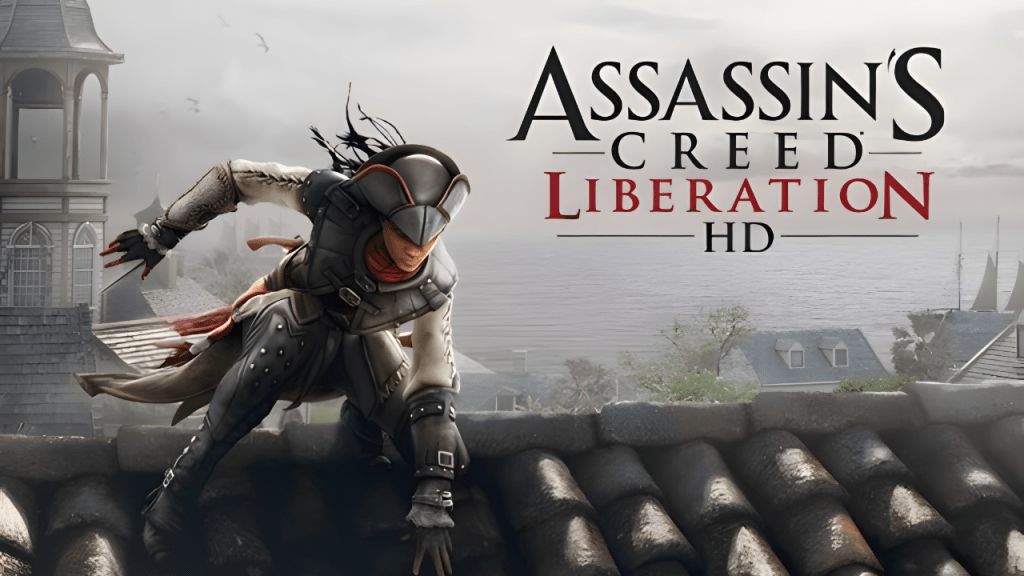
Originally released for the PlayStation Vita, “Assassin’s Creed: Liberation” follows Aveline de Grandpré, an Assassin of mixed French and African heritage, in 18th-century New Orleans. The game was later remastered for consoles and PC.
Assassin’s Creed Mobile Games and Expansions
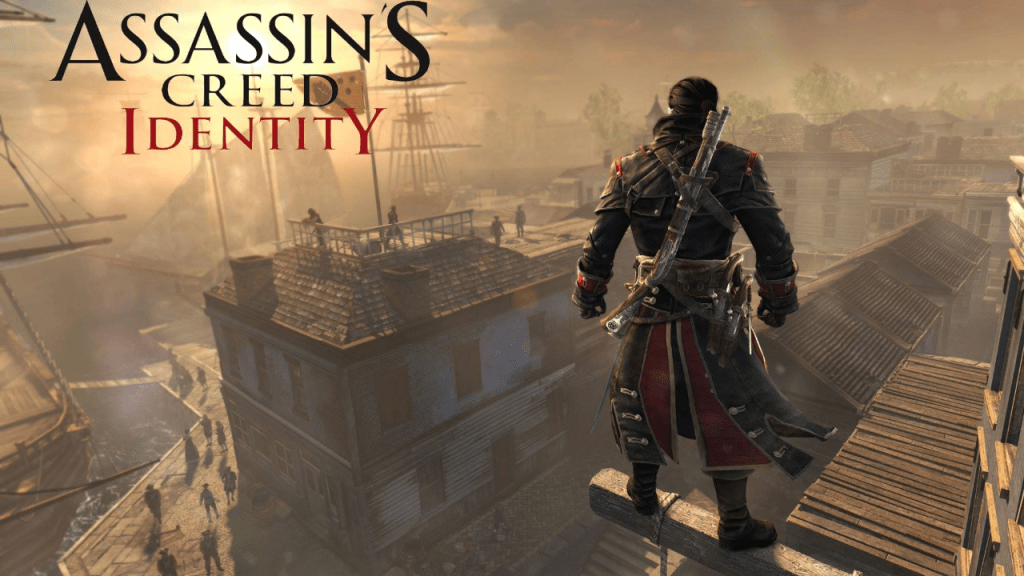
The franchise has also expanded into mobile gaming with titles like “Assassin’s Creed Rebellion” and “Assassin’s Creed Identity,” offering unique gameplay experiences on handheld devices.
Transmedia: Books, Comics, and Films
The Assassin’s Creed universe extends beyond video games into books, comics, and a feature film. These transmedia projects explore various aspects of the lore, providing deeper insights into the characters and historical settings.
The Evolution of Gameplay Mechanics
Parkour and Stealth

From the beginning, parkour and stealth have been core components of the Assassin’s Creed series. The fluid movement system, allowing players to climb buildings and navigate complex environments, has evolved significantly. Stealth mechanics have also been refined, offering more tools and tactics for players to employ.
Combat and Customization
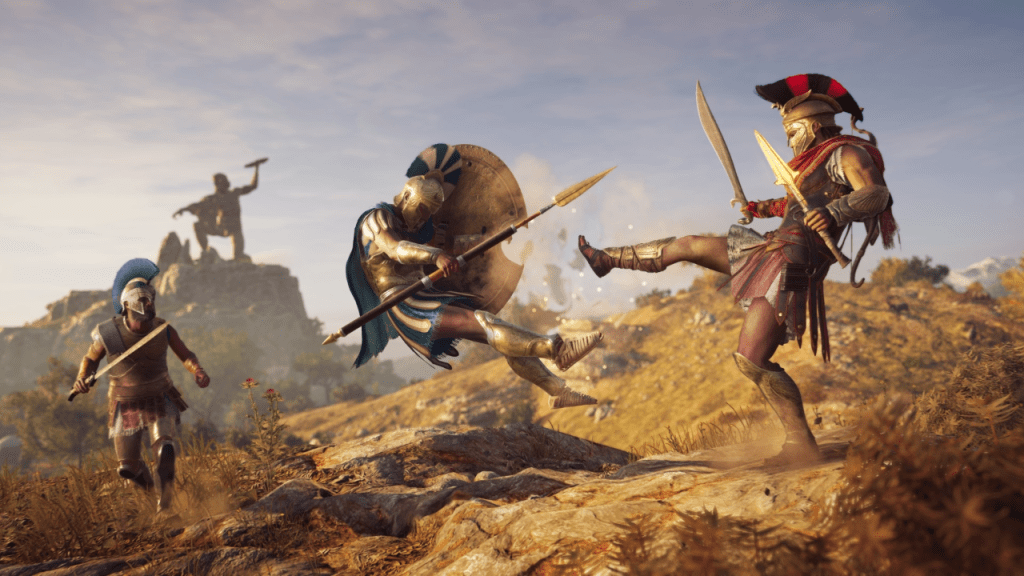
Combat in Assassin’s Creed has transitioned from simple counter-based mechanics to more complex and strategic systems. The introduction of RPG elements in recent titles has added depth to character customization, allowing players to tailor their skills, gear, and playstyle.
Open World Exploration
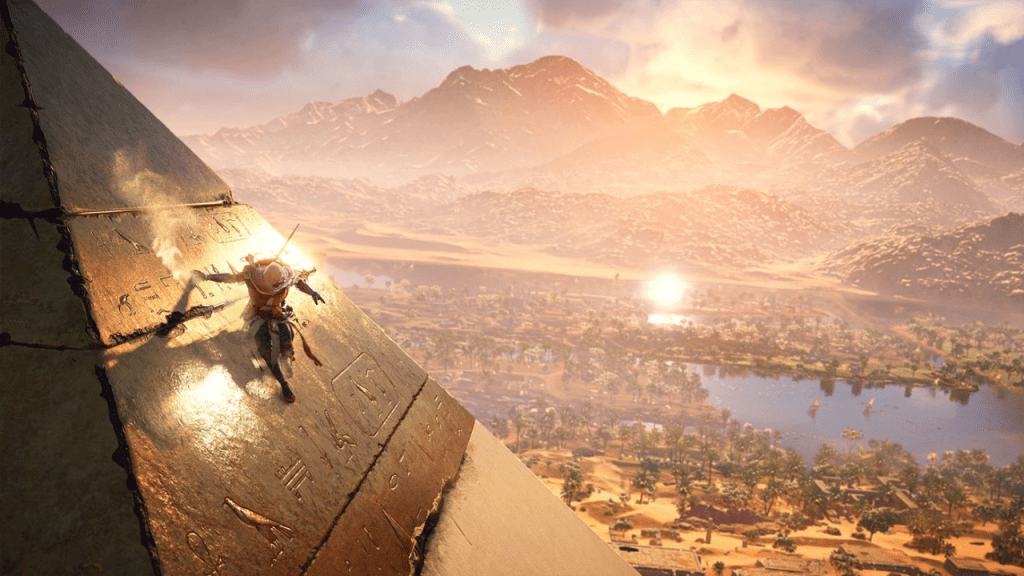
The franchise is renowned for its meticulously crafted open worlds, each brimming with historical detail and diverse activities. From the bustling streets of Renaissance cities to the vast deserts of Egypt, the environments play a crucial role in immersing players in the historical settings.
Naval Combat and Exploration

Introduced in “Assassin’s Creed III” and expanded in “Black Flag,” naval combat has become a beloved feature. Commanding a ship, engaging in sea battles, and exploring maritime environments added a new dimension to the series.
Cultural and Historical Impact
Representation and Diversity
Assassin’s Creed has been praised for its representation of diverse cultures and historical periods. By featuring protagonists from various backgrounds and settings, the franchise has provided players with unique perspectives on history.
Historical Accuracy and Education
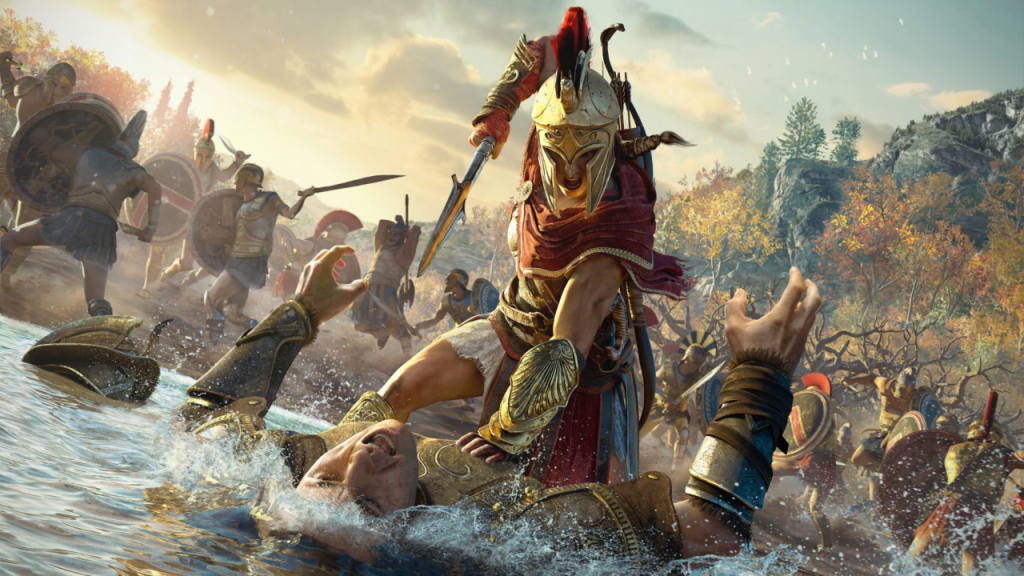
While taking creative liberties for the sake of storytelling, the series strives for historical accuracy in its settings and eventsWhile taking creative liberties for the sake of storytelling, the series strives for historical accuracy in its settings and events. Ubisoft’s collaboration with historians and experts ensures that the games are not only entertaining but also educational, sparking interest in history among players.
Cultural Landmarks and Tourism

The detailed recreation of historical landmarks in the games has even influenced tourism. Locations featured in the series, such as Florence, Paris, and Egypt, have seen increased interest from players eager to explore these sites in real life.
Future Prospects and Speculations
Next-Gen Innovations
As technology advances, the Assassin’s Creed franchise is poised to leverage next-gen capabilities for even more immersive experiences. Improved graphics, AI, and world-building tools promise to enhance the fidelity and depth of future titles.
New Historical Periods and Settings
Fans eagerly speculate about potential new settings for future games. From ancient civilizations to modern history, the possibilities are vast. Each new era offers a chance to explore different cultures, conflicts, and stories within the Assassin’s Creed framework.
Virtual Reality and Beyond
The potential for virtual reality (VR) in Assassin’s Creed could revolutionize the way players experience the series. Imagine fully immersing yourself in historical settings, engaging in parkour, and participating in missions with a VR headset.
Expanding the Narrative Universe
Ubisoft’s continued expansion of the Assassin’s Creed universe through transmedia projects suggests a growing emphasis on storytelling across multiple platforms. New books, comics, and potential TV series or films could further enrich the lore and reach new audiences.
The Assassin’s Creed franchise has come a long way since its debut in 2007. With each new entry, Ubisoft has expanded the series’ horizons, exploring different historical periods and refining gameplay mechanics. As we look forward to “Assassin’s Creed Mirage” and “Assassin’s Creed Shadows” and beyond, the franchise’s commitment to innovation, storytelling, and historical immersion remains stronger than ever.
For fans and newcomers alike, the Assassin’s Creed series offers a unique blend of action, adventure, and education, inviting players to step into the shoes of Assassins throughout history. Whether you’re revisiting old favorites or eagerly anticipating the next chapter, there’s never been a better time to dive into the rich and diverse world of Assassin’s Creed.
 Fantastic Nerdom