

In the wake of Street Fighter II’s monumental success, the 1990s saw an explosion in the fighting game genre. Many developers tried to capture the magic of Capcom’s hit with their own versions, leading to a slew of games that ranged from mildly amusing to downright disastrous imitations. This post will take a fun look back at some of the most memorable knock-offs that tried and failed to dethrone the king of fighting games.
What Makes a Street Fighter Knock-Off?
Street Fighter’s core appeal lay in its combination of easy-to-learn but hard-to-master gameplay, a diverse cast of characters, and deep competitive mechanics. Many knock-offs missed these marks by misunderstanding what made the game so appealing. The 90s were a wild west of game development, with companies eager to tap into the lucrative market without always investing in the quality or innovation necessary to truly compete.
Noteworthy Street Fighter Knock-Offs
Fighter’s History

“Fighter’s History” was almost a carbon copy of “Street Fighter II,” from its character archetypes to its gameplay style. This similarity led to a legal challenge from Capcom, although they ultimately lost the case. Despite its derivative nature, “Fighter’s History” serves as a quintessential example of how not to “pay homage” to a successful game.
World Heroes

“World Heroes” tried to stand out by featuring characters inspired by historical and mythical figures like Hanzo Hattori and Joan of Arc. While it brought a unique flair to the character roster, the gameplay felt lackluster and failed to capture the strategic depth or polish of Street Fighter, resulting in a game that felt more like a novelty than a competitor.
Survival Arts
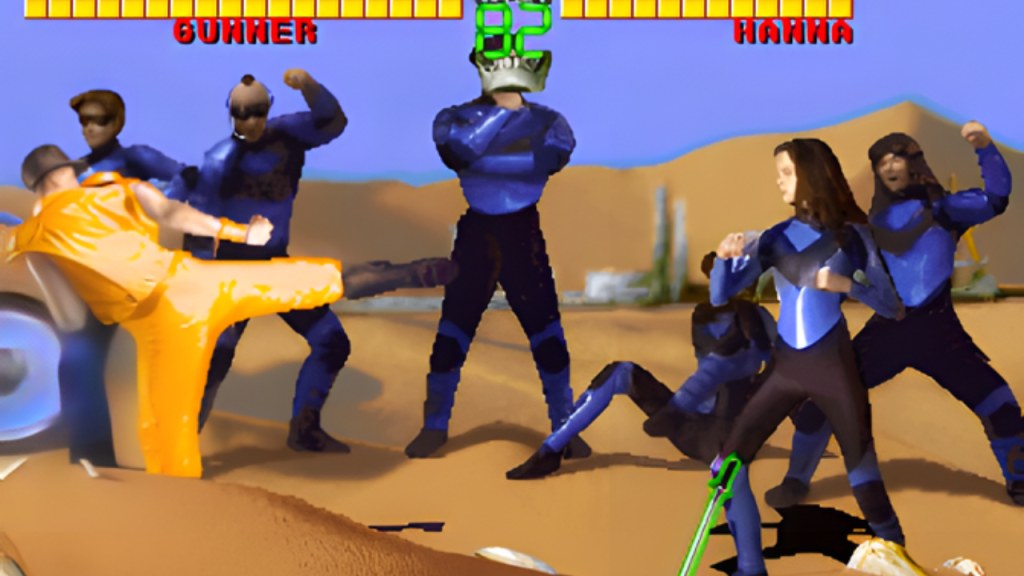
“Survival Arts” is remembered for its attempt to mimic “Mortal Kombat” with its use of digitized actors. The game suffered from poor controls and a lack of gameplay balance, making it frustrating for casual play and unsuitable for competitive gaming, showing that good graphics can’t compensate for bad mechanics.
Ultra Vortek

“Ultra Vortek” is another fighting game that tried to capture the allure of successful franchises like Street Fighter and Mortal Kombat but fell short. The game featured a roster of futuristic fighters and attempted to stand out with its sci-fi themed visuals and environments. However, it was criticized for its unresponsive controls, lackluster graphics, and uninspired character design. The game struggled to find a following, largely due to its inability to match the depth and polish of its more established counterparts.
ClayFighter
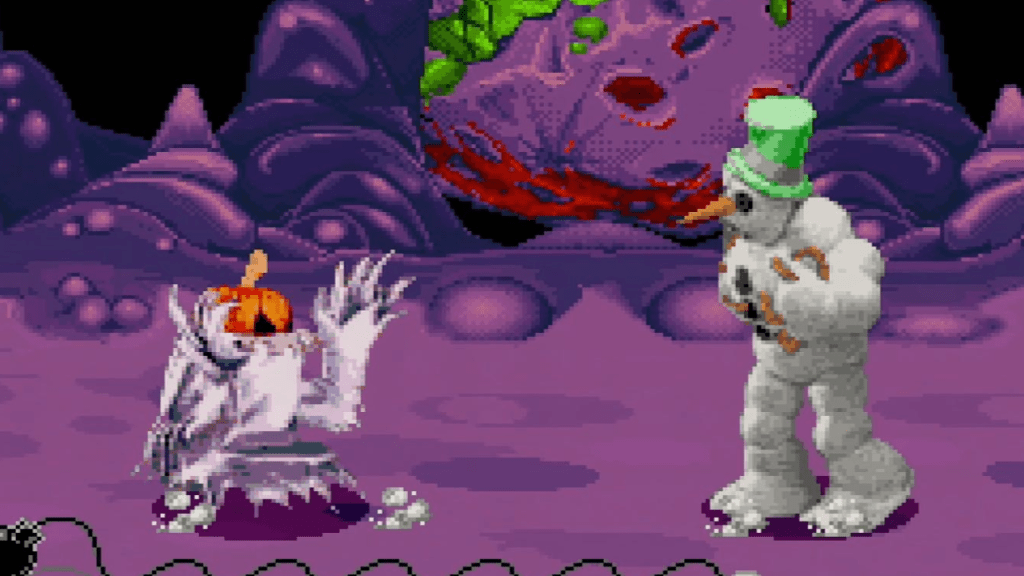
“ClayFighter” offers a whimsical take on the fighting genre with its claymation-style characters and humorous approach. While it stood out visually and brought comic relief to the typically serious fighting game market, its sluggish controls and lack of depth compared to its competitors left it lagging behind in terms of playability and fan engagement.
The Impact of Knock-Offs on the Gaming Industry
Despite their flaws, these knock-offs contributed to the broader narrative of game development by illustrating what not to do. In some cases, they introduced unique elements that, while not successful at the time, influenced the development of later games. These examples also highlight the critical importance of innovation, quality, and a deep understanding of what makes games engaging in building lasting franchises.
The rush to capitalize on the fighting game boom of the 90s led to some memorable missteps, but these titles also offer valuable lessons in game development. As we reflect, it becomes clear that success in the gaming industry comes from more than just mimicking a successful formula—it requires innovation, attention to quality, and a genuine connection with gamers.
Do you remember trying out any of these knock-offs? Which ones did you think failed the most spectacularly? Share your experiences and thoughts in the comments below, and let’s discuss the quirky side of 90s gaming history.
 Fantastic Nerdom