

Open world games promise a sense of freedom and adventure, offering vast landscapes filled with secrets, quests, and narratives. However, some games fall short of these promises, leading to widespread disappointment among gamers. Here’s a list of ten open world games that failed to deliver on their potential, making them notable missteps in the gaming industry.
1. No Man’s Sky (at launch)

Originally hyped for its infinite universe and dynamic exploration, No Man’s Sky faced massive backlash upon release due to its repetitive gameplay and lack of features promised during its marketing campaign. The game has since been updated significantly, addressing many of the initial criticisms.
2. Assassin’s Creed Unity

Known for its historical settings and immersive worlds, Assassin’s Creed Unity was a letdown due to its numerous bugs and performance issues at launch. Although it featured a detailed recreation of revolutionary Paris, the technical problems severely impacted player experience.
3. Anthem

Bioware’s Anthem was anticipated to be a groundbreaking title in the loot shooter genre but ended up being criticized for its shallow story, repetitive gameplay, and lack of content. The game’s open world felt underutilized, contributing to its overall lack of success.
4. Fallout 76

Expanding on the beloved Fallout series, Fallout 76 aimed to blend traditional elements with new multiplayer features. However, it was marred by technical issues, a lack of NPCs initially, and a series of public relations missteps, making its vast world feel empty and unengaging.
5. Sea of Thieves (initially)
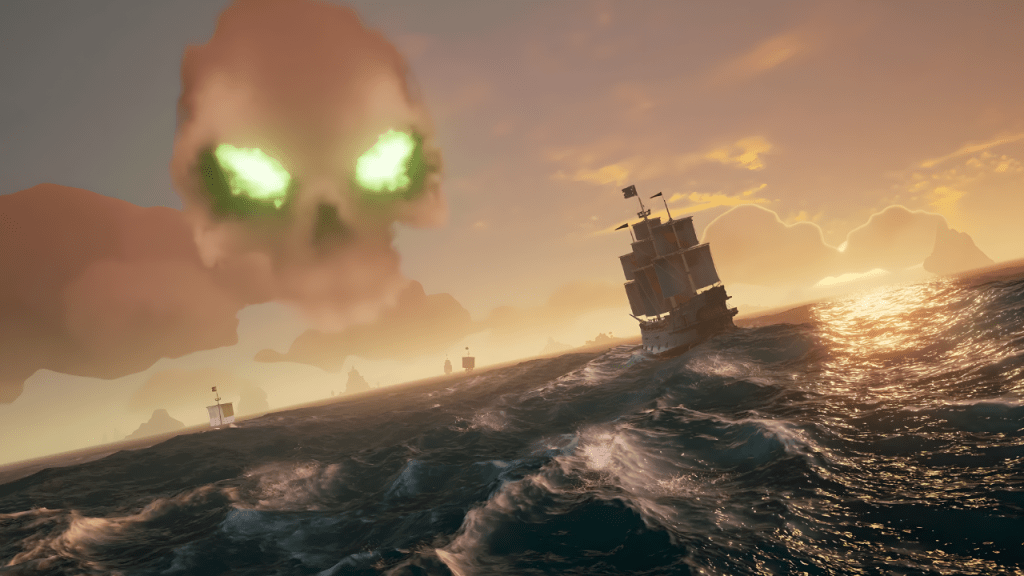
Sea of Thieves offered a visually stunning pirate adventure but lacked depth in gameplay during its early months. The game has since improved with updates that added much-needed content and features.
6. Cyberpunk 2077 (especially on last-gen consoles)
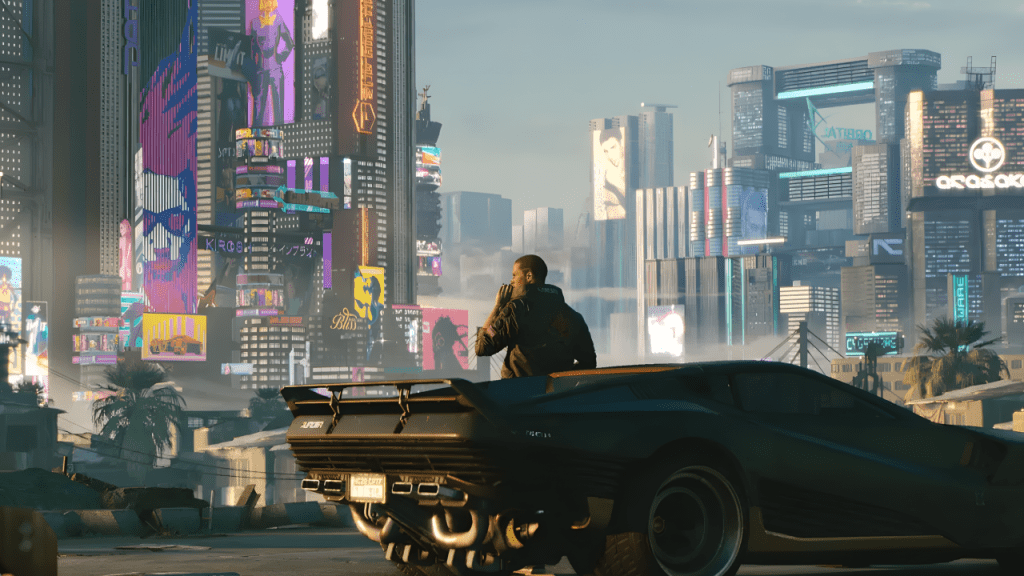
Cyperpunk 2077 was one of the most anticipated games of the decade but faced enormous criticism for bugs, performance issues, and unmet expectations, particularly on older consoles. Despite its rich narrative potential, the game’s initial state left many players disillusioned.
7. Mass Effect: Andromeda
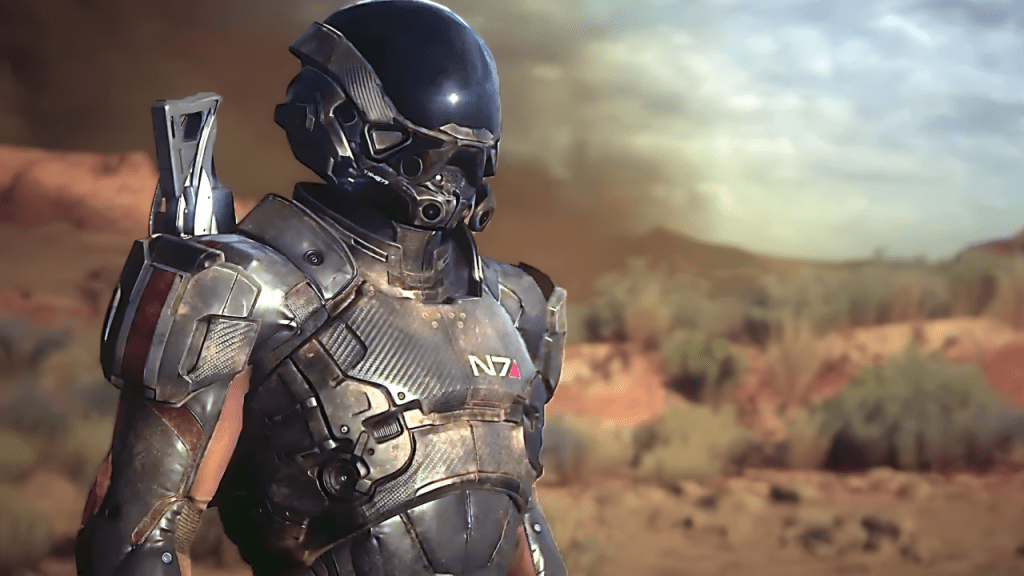
Following the critically acclaimed Mass Effect trilogy, Andromeda was expected to be a strong successor but instead faced criticism for poor animations, bugs, and weaker storytelling. Its vast new galaxy could not make up for the game’s lackluster execution.
8. Two Worlds
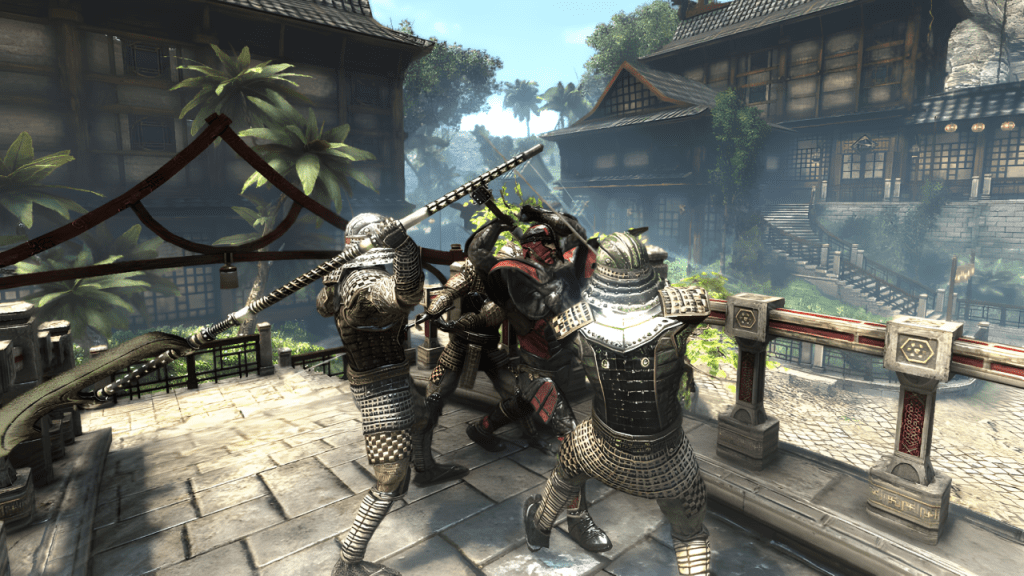
Promoted as an ambitious RPG, Two Worlds was hindered by subpar voice acting, technical glitches, and awkward gameplay mechanics. Its open world was expansive but lacked the polish and depth players expected.
9. Just Cause 4

While the Just Cause series is known for high-octane action and freedom, the fourth installment received mixed reviews due to its repetitive missions and underwhelming narrative, which did not leverage the game’s dynamic weather system and vast environment effectively.
10. Watch Dogs
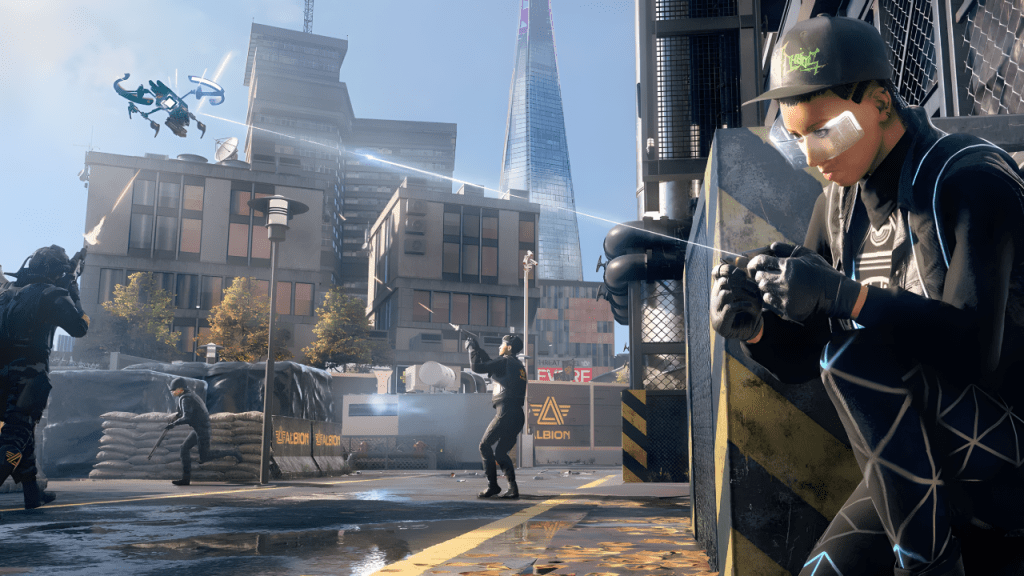
Watch Dogs was anticipated to revolutionize open world gameplay with its hacking mechanics and vibrant digital city. However, it fell short of expectations due to graphical downgrades from promotional materials and a story that didn’t fully capitalize on its innovative gameplay concepts.
These games highlight how crucial it is for developers to fulfill their promises and ensure that their open worlds are as engaging in practice as they are in theory. While some have improved post-launch, their initial releases serve as reminders of the challenges in creating expansive, dynamic open worlds that live up to gamers’ high expectations.
4
 Fantastic Nerdom