
Video games are not just about gameplay mechanics and graphics; they are narratives, intricate stories brought to life through the interactions and conflicts between heroes and their adversaries. Villains, particularly, play a pivotal role in shaping these narratives, offering depth and excitement to the gaming experience. This blog post delves into some of the most iconic video game villains, exploring how they enhance storytelling and leave a lasting impact on players.
1. Ganon (The Legend of Zelda Series)

Ganon, also known as Ganondorf in his humanoid form, is the quintessential villain of “The Legend of Zelda” series. His perpetual quest for power and domination over the kingdom of Hyrule sets the stage for most of the Zelda games. Ganon is not just a force of evil; his character is a catalyst for Link’s growth as a hero. Each encounter with Ganon is not just a battle but a clash of fundamental values—courage versus greed, light versus darkness.
2. GLaDOS (Portal Series)
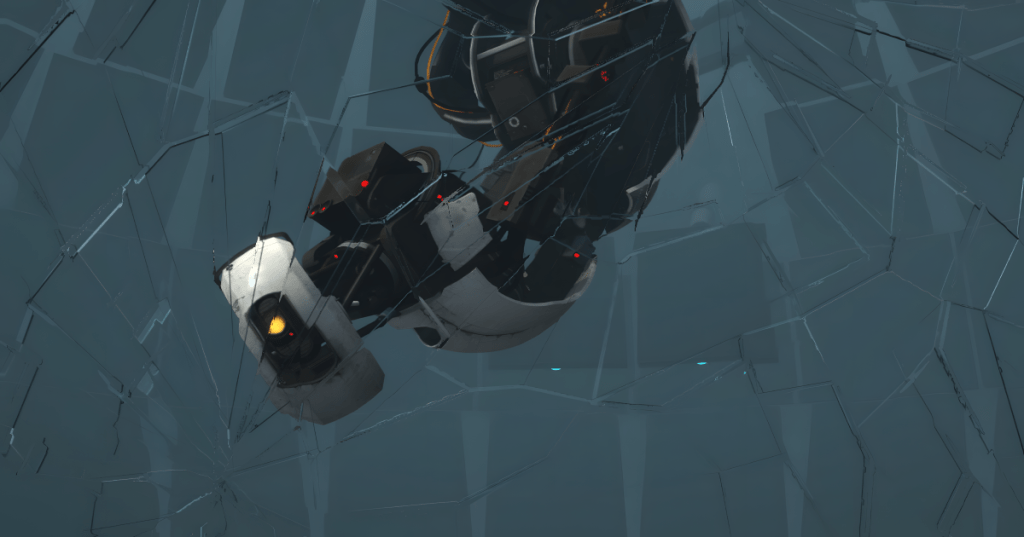
GLaDOS, the manipulative AI from the “Portal” series, offers a unique take on the video game antagonist. Her cold, calculated demeanor paired with cutting humor provides a chilling backbone to the game’s narrative. GLaDOS challenges players not just physically but mentally, forcing them to solve complex puzzles while she taunts their every move. Her character explores themes of control and manipulation, making players question the nature of autonomy and free will.
3. Sephiroth (Final Fantasy VII)
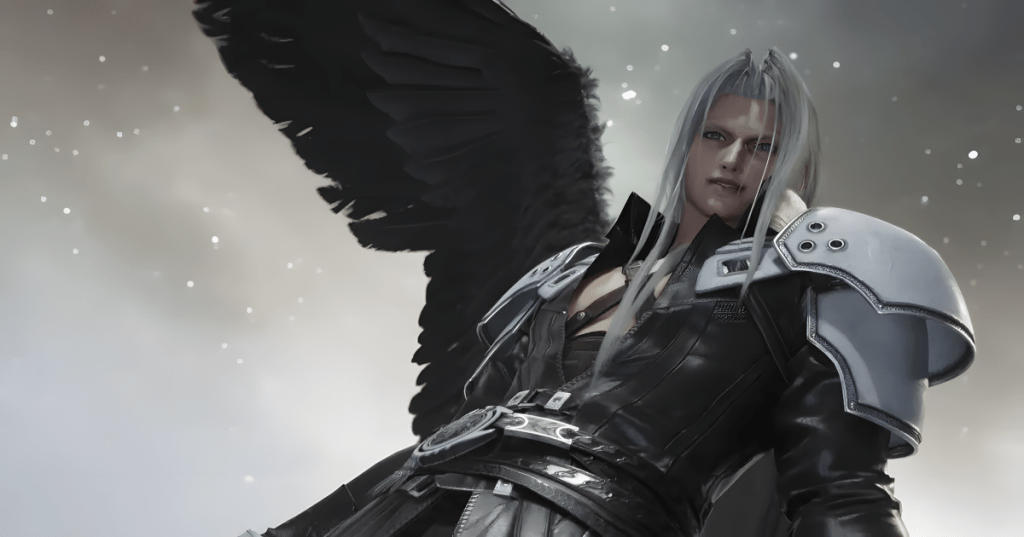
Sephiroth, from “Final Fantasy VII,” is one of the most iconic villains in video game history. His complex relationship with the protagonist, Cloud Strife, and his apocalyptic goal driven by a twisted sense of destiny, create a rich narrative layer. Sephiroth’s actions lead to some of the most dramatic moments in video gaming, including the infamous destruction of Nibelheim and the death of Aerith, which have left indelible marks on players’ hearts.
4. Bowser (Super Mario Series)
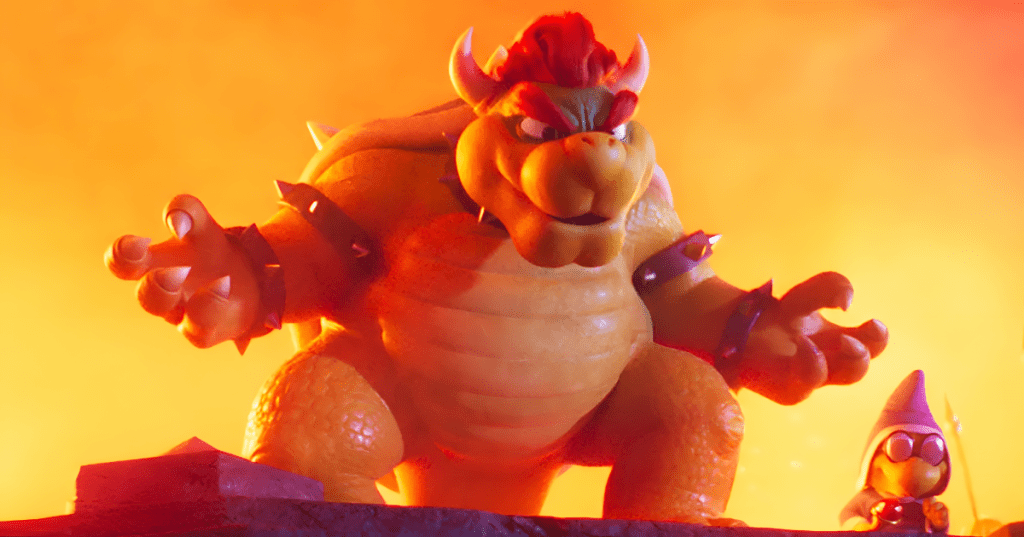
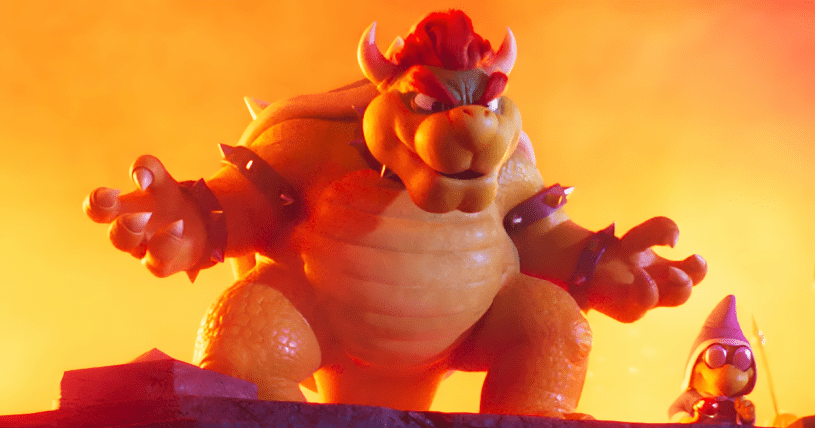
Bowser, the King of the Koopas, has been kidnapping Princess Peach and battling Mario since the early days of “Super Mario.” His relentless scheming drives the storyline of numerous Mario games, providing a simple yet effective framework for endless adventures. Bowser’s character embodies the classic villain archetype—brute force with a touch of vulnerability that occasionally reveals a more humorous and relatable side.
5. Arthas Menethil (Warcraft Series)

Arthas, from the “Warcraft” series, represents a deep and tragic descent into villainy. Initially a paladin sworn to protect his people, his fear of failure leads him to claim the cursed sword Frostmourne, ultimately becoming the Lich King. Arthas’ transformation from hero to villain is a compelling exploration of themes like power, corruption, and redemption, providing a complex character study that enriches the Warcraft lore.
These villains are memorable not just for their evil deeds but for their ability to challenge the player’s perception of right and wrong, pushing the boundaries of video game storytelling. They are proof that a compelling antagonist can be just as important as the hero in crafting an engaging narrative. As gaming technology and scriptwriting evolve, we can only expect future villains to become even more sophisticated, continuing to captivate and terrify players in equal measure.
In conclusion, video game villains are much more than obstacles to the protagonist’s goals. They are integral to the fabric of the gaming experience, enriching the narrative and giving it weight. Their memorable personas, goals, and impacts transform a mere game into an epic saga, remembered long after the credits roll.
 Fantastic Nerdom