

Dive into the expansive and iconic universe of “Halo,” a franchise that revolutionized the first-person shooter genre and became a cornerstone of gaming culture. From its inception in 2001 with “Halo: Combat Evolved” to the latest developments in the saga, this guide offers an in-depth look at each game, exploring their development, gameplay, and the continuing story of the Master Chief and the Spartan warriors.
Halo: Combat Evolved (2001)
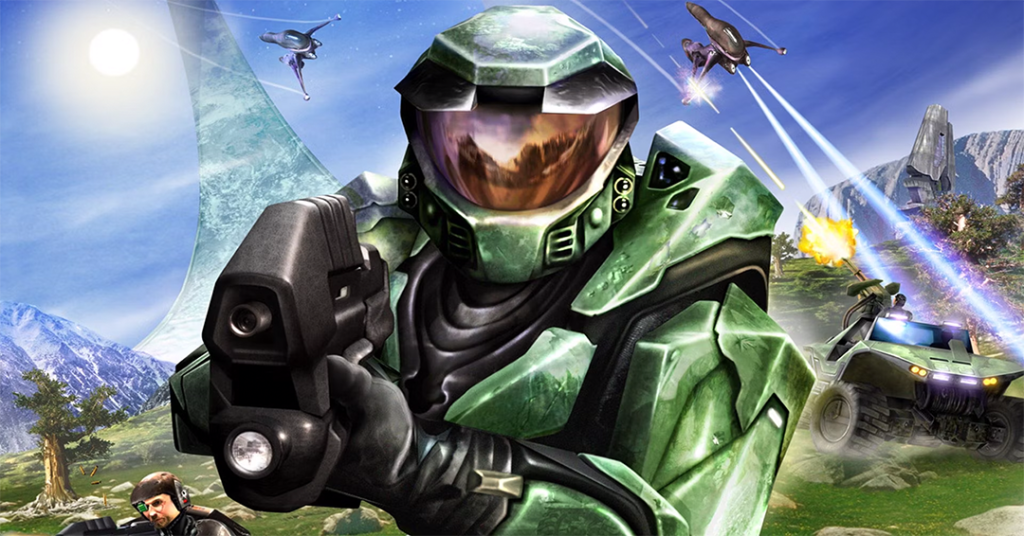
Released in 2001 as a launch title for the original Xbox, “Halo: Combat Evolved” quickly became synonymous with the console, setting a high standard for first-person shooters. Players are introduced to the Master Chief, a supersoldier known as Spartan-117, and his AI companion, Cortana. The game’s innovative gameplay, which includes a mix of ground combat and vehicular sequences, coupled with its compelling storyline, not only won critical acclaim but also established a solid fan base.
Halo 2 (2004)

Building on the success of the original, “Halo 2” was released in 2004 and introduced major advancements in multiplayer gaming. It featured new gameplay elements, such as dual-wielding weapons and vehicle hijacking, and significantly expanded the universe with its complex narrative. The game’s cliffhanger ending left fans eagerly awaiting the next chapter.
Halo 3 (2007)

“Halo 3” concluded the original trilogy in 2007, bringing closure to the story arc that began with “Combat Evolved.” It introduced new features like Forge mode, allowing players to edit multiplayer maps, which greatly extended the game’s lifespan. The campaign mode wrapped up many of the series’ long-standing mysteries and provided a satisfying conclusion to the Master Chief’s battle against the Covenant and the Flood.
Halo 3: ODST (2009)

Released in 2009, “Halo 3: ODST” offered a unique perspective within the Halo universe. Instead of playing as the superhuman Master Chief, players take on the role of an Orbital Drop Shock Trooper (ODST) during the events of “Halo 2.” The game’s noir-inspired storyline and open-world exploration of the city of New Mombasa provided a fresh experience. It also introduced Firefight mode, a cooperative survival multiplayer experience that became a fan favorite.
Halo Wars (2009)
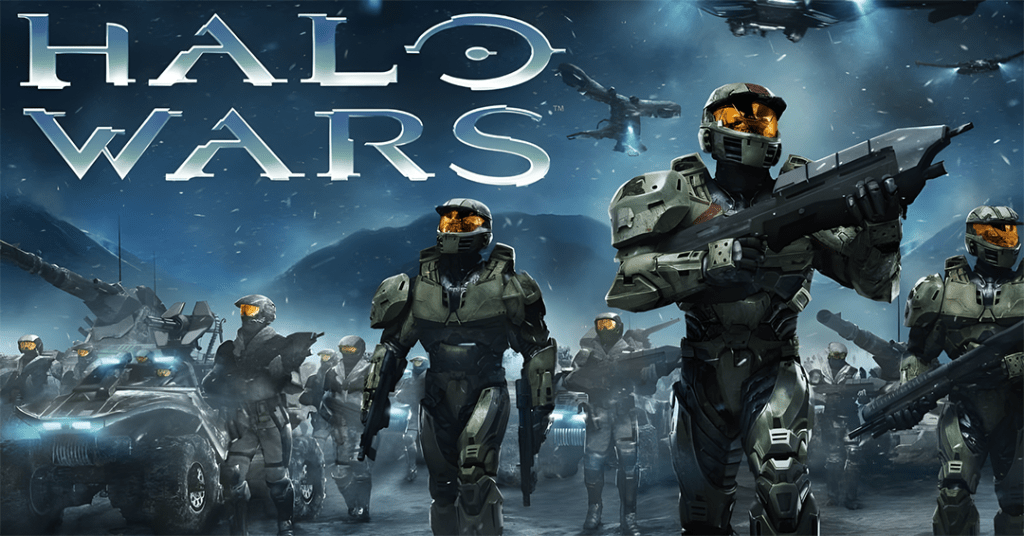
Taking a departure from first-person shooting, “Halo Wars” is a real-time strategy game that explores earlier events in the Halo universe. Released in 2009, it focuses on human-Covenant warfare and offers a new perspective on the conflict. Despite initial skepticism from fans, its strategic depth and strong narrative integration with the Halo lore won players over.
Halo: Reach (2010)
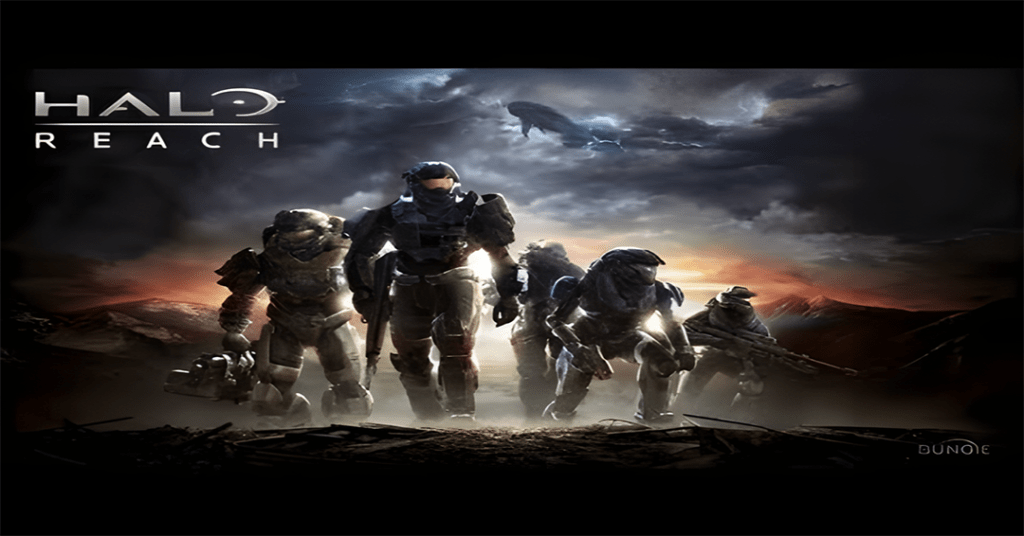
“Halo: Reach” serves as a prequel to “Combat Evolved” and was released in 2010. The game focuses on Noble Team, a group of Spartans fighting against overwhelming Covenant forces on the planet Reach. Its somber narrative and heroic themes resonate deeply with fans, making it one of the most beloved entries in the series.
Halo 4 (2012)

Initiating the “Reclaimer Saga,” “Halo 4” was released in 2012 and marked the return of the Master Chief after a five-year hiatus. The game introduces new enemies—the Prometheans—and explores the relationship between the Chief and Cortana, delving into deeper emotional and existential themes.
Halo 5: Guardians (2015)
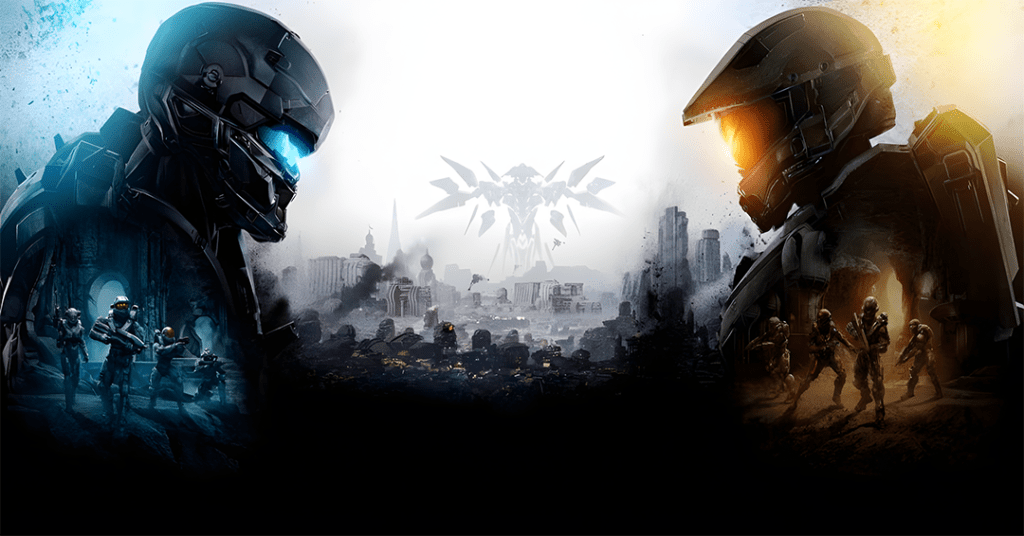
“Halo 5: Guardians,” released in 2015, continues the storyline introduced in “Halo 4.” The game expands the multiplayer experience with the introduction of Warzone mode, which combines PvP and PvE elements. Its campaign, however, sparked debate among fans due to its focus on new character Spartan Locke and less on the Master Chief.
Halo Wars 2 (2017)

Returning to the strategy roots, “Halo Wars 2” was released in 2017 and continues the story of the first “Halo Wars.” The game is praised for its accessible gameplay mechanics, engaging story, and the introduction of a new, menacing villain, Atriox, who challenges both the Covenant and humanity.
Halo Infinite (2021)
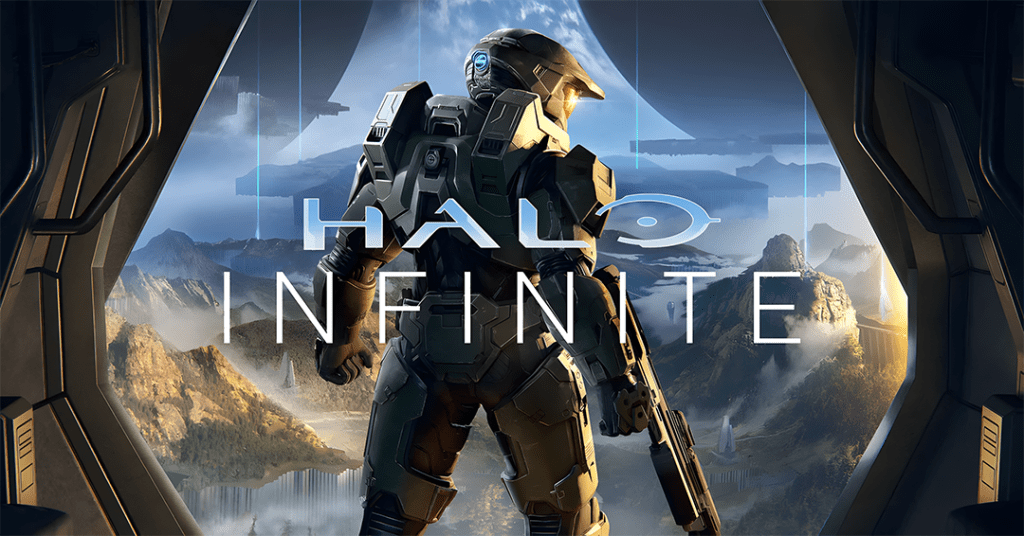
“Halo Infinite,” the latest installment as of 2021, aims to be a soft reboot for the franchise, introducing an open-world element and reviving the classic feel of the original Halo trilogy. The game’s development focused heavily on the player’s experience of exploration and discovery, and it features a significant graphical overhaul and gameplay enhancements.
From its groundbreaking debut to its continued evolution, the “Halo” series has remained a flagship of not only Xbox but of video gaming as a whole. Each installment has expanded the lore and broadened the boundaries of what players expect from a sci-fi shooter. As “Halo Infinite” ushers in a new era for the franchise, the saga of the Master Chief continues to captivate new generations of gamers around the world.
 Fantastic Nerdom