
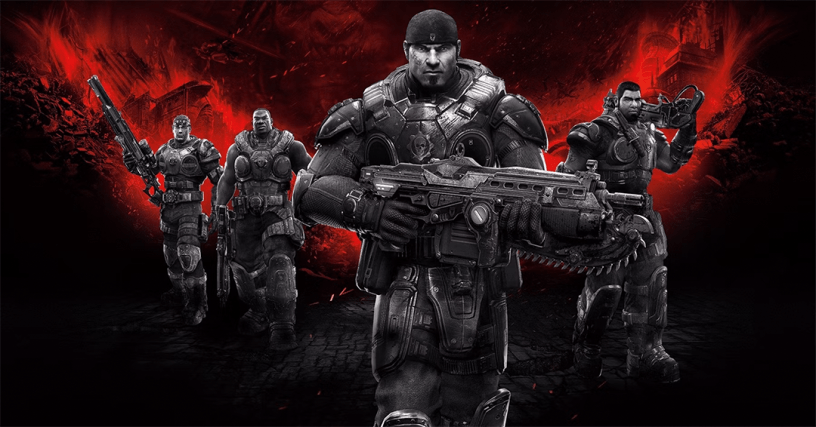
Welcome to the gritty, heart-pounding world of “Gears of War,” a series that has defined the third-person shooter genre with its blend of tactical combat, elaborate storytelling, and revolutionary gameplay mechanics. Whether you’re a seasoned veteran of the COG army or a newcomer ready to take up the Lancer, this comprehensive guide will walk you through every chapter of the iconic “Gears of War” series.
Gears of War (2006)
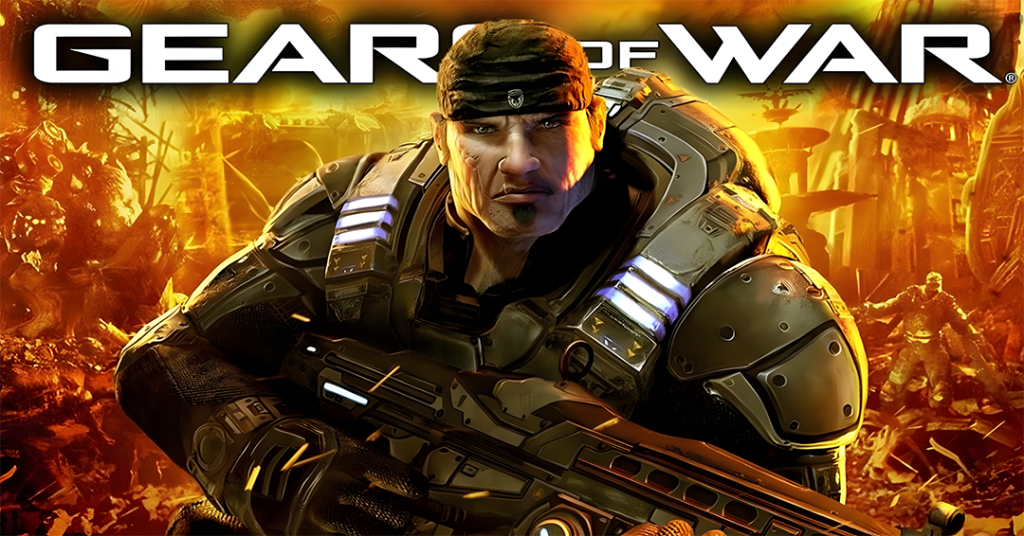
The game that started it all, the original “Gears of War,” was released in 2006 on the Xbox 360, setting a new standard for graphics and gameplay in third-person shooters. Developed by Epic Games, players are introduced to Marcus Fenix, a former war hero reluctantly pulled back into service to fight the subterranean menace known as the Locust Horde. The game is praised for its cover-based shooting mechanics, co-op campaign mode, and intense multiplayer battles.
Gears of War 2 (2008)
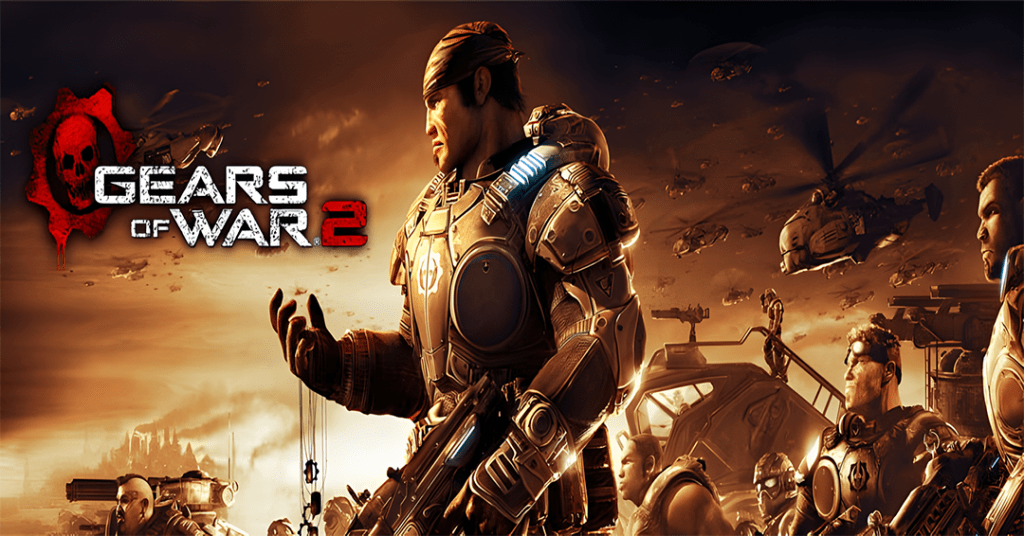
Building on its predecessor’s success, “Gears of War 2” ramps up the action and the stakes. Released in 2008, the sequel offers deeper narrative elements and improved gameplay mechanics. The game’s storyline focuses on the escalating war against the Locust and introduces new gameplay features like the ability to use enemies as meat shields and enhanced multiplayer modes.
Gears of War 3 (2011)
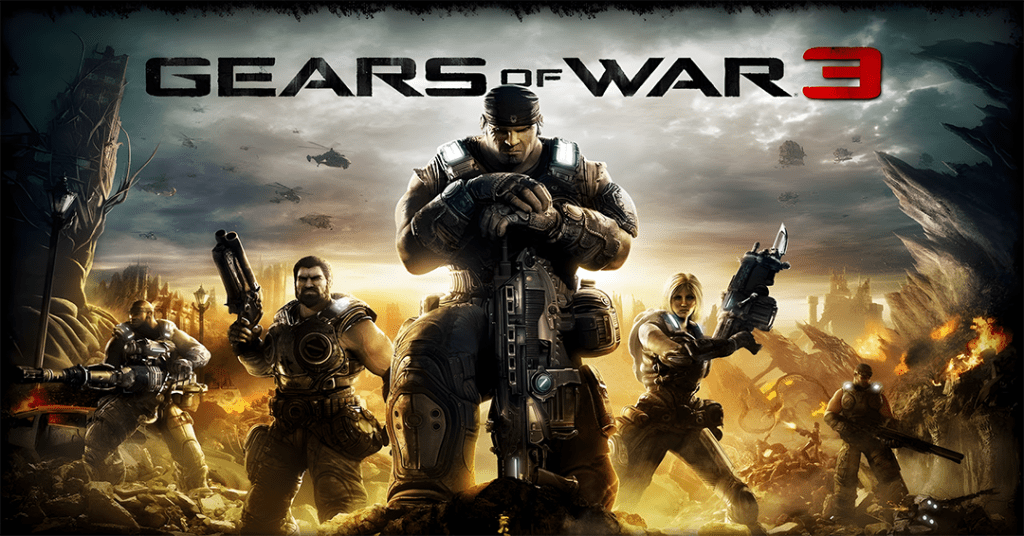
As the trilogy’s finale, “Gears 3” delivers a dramatic conclusion to the series’ initial story arc. Released in 2011, it introduces new playable characters and enemy types, and an upgraded multiplayer experience. The game concludes the story of Marcus Fenix and his team as they attempt to finally end the Locust threat, dealing with loss, betrayal, and the survival of humanity.
Gears of War: Judgment (2013)
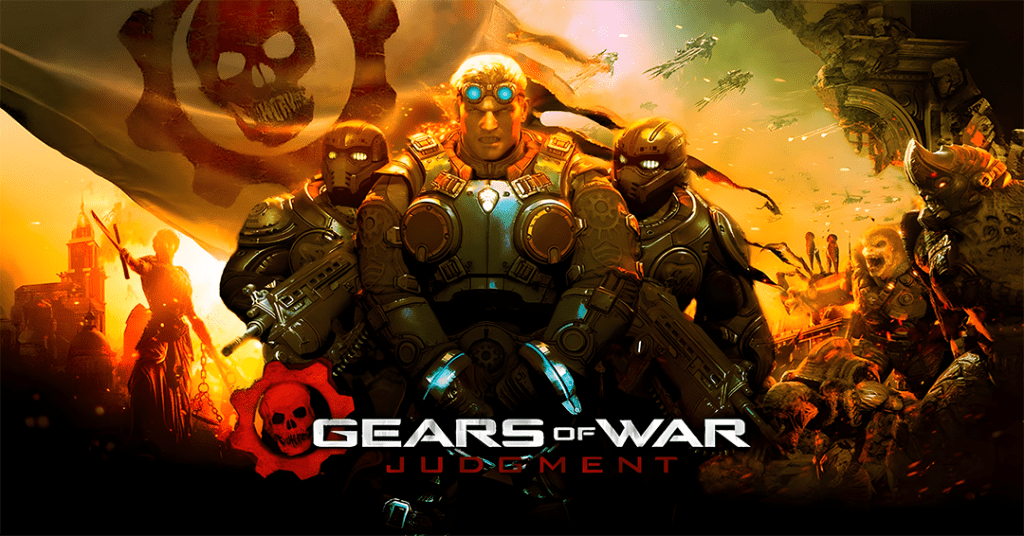
A prequel to the original game, “Gears of War: Judgment” focuses on Damon Baird and Kilo Squad as they are put on trial for their actions during the early days of the Locust war. Released in 2013, this entry is notable for its mission-based campaign structure and introduces the OverRun multiplayer mode, blending Gears’ classic shooting mechanics with a new, fast-paced tactical layer.
Gears of War 4 (2016)
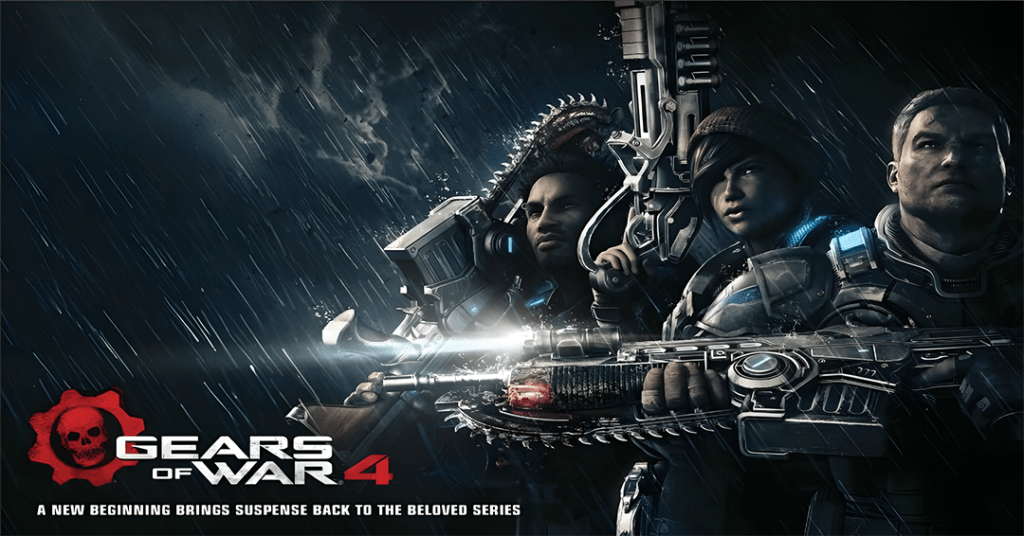
Set 25 years after the events of “Gears of War 3,” “Gears of War 4” introduces a new generation of heroes, led by JD Fenix, the son of Marcus Fenix. The 2016 release explores the threat of the Swarm, a new enemy born from the remnants of the Locust. The game is celebrated for revitalizing the series, introducing new combat abilities, and expanding multiplayer features.
Gears 5 (2019)
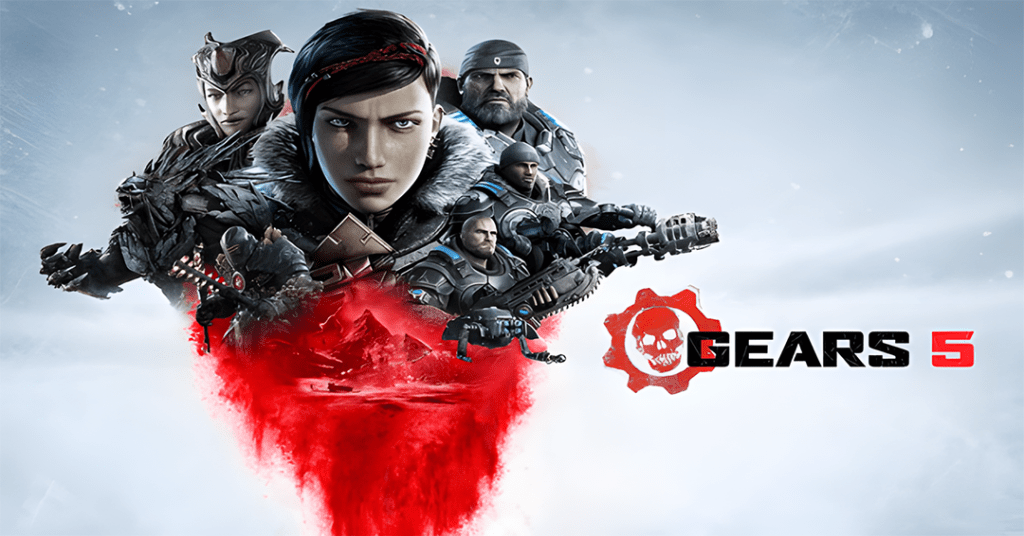
Continuing the story from where “Gears 4” left off, “Gears 5” shifts the focus to Kait Diaz, dealing with her mysterious connection to the Locust and her journey to uncover the origins of her family and the Locust. Released in 2019, the game features the most expansive campaign in the series, enhanced player mobility, and a broad array of multiplayer modes, including Escape and Horde.
Gears Tactics (2020)
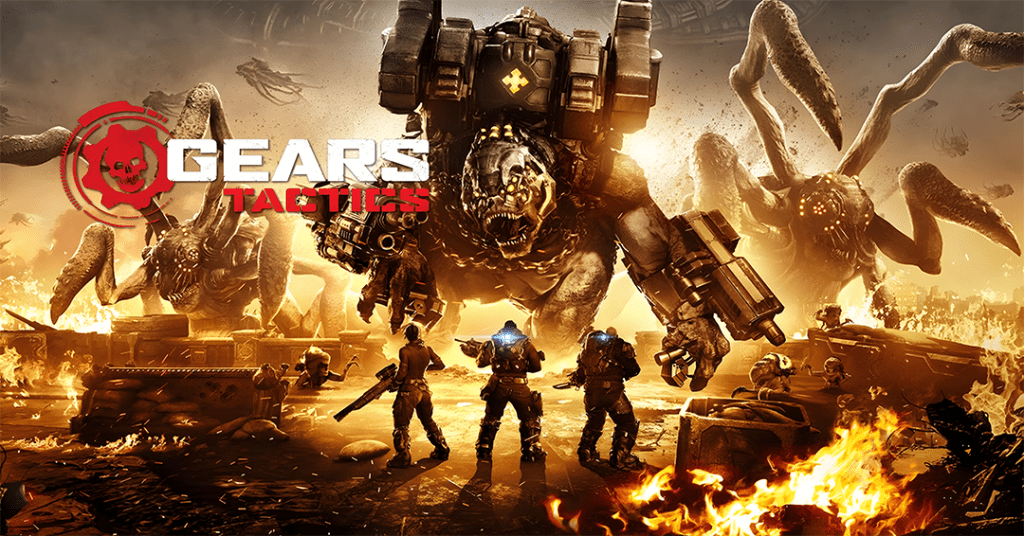
Taking a detour from the traditional third-person shooter format, “Gears Tactics” is a turn-based strategy game that explores the early days of the Locust War. Released in 2020, the game focuses on Gabe Diaz, Kait’s father, offering a fresh perspective on the battle against the Locust Horde with strategic gameplay that retains the intensity and violence of the original games.
Gears of War: E-Day (TBA)
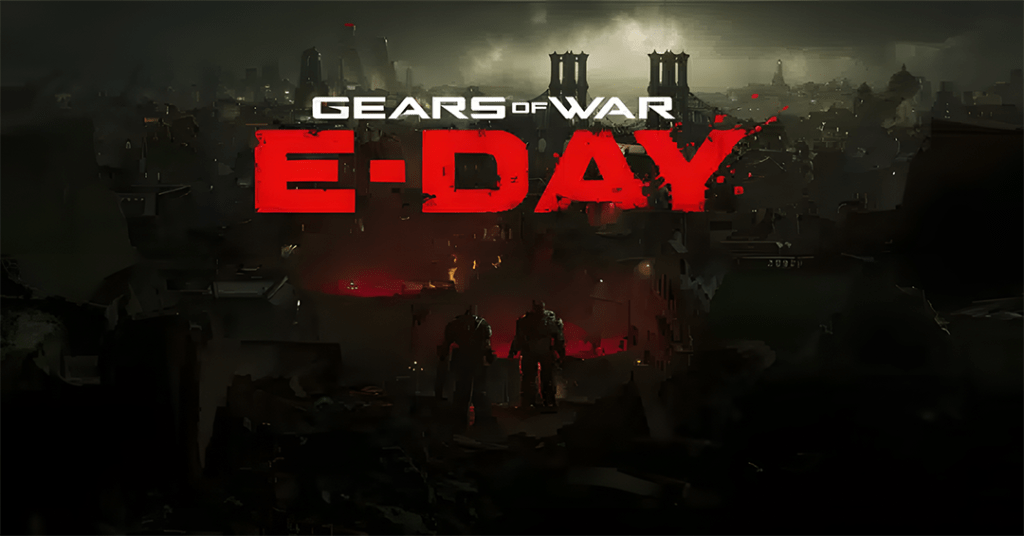
The latest announcement in the series, “Gears of War: E-Day,” promises to delve deeper into the rich lore of the Gears universe. Expected to explore the very beginnings of the Locust War, this title aims to provide fans with a more detailed look at the events leading up to and including Emergence Day, the pivotal moment when the Locust Horde first attacked the human settlements of Sera. Details on gameplay, features, and release date are still forthcoming, but anticipation is high for this new chapter in the Gears saga.
From its inception in 2006 to the latest strategy-based innovations and the newly announced “Gears of War: E-Day,” the “Gears of War” series has continually evolved while staying true to its core elements of graphic excellence, compelling storytelling, and robust multiplayer experiences. Each entry not only advances the overarching narrative but also refines and redefines what fans expect from the franchise. Whether you’re engaging in visceral combat or strategizing over troop placement, “Gears of War” remains a cornerstone of gaming culture.
 Fantastic Nerdom