

In the dynamic world of video games, specific titles stand out for their entertainment value and how they reshaped the industry itself. These games introduced groundbreaking mechanics, storytelling techniques, and technology that set new standards and influenced generations of games to come. Let’s dive into ten revolutionary titles that have left an indelible mark on the gaming landscape.
1. Pong (1972)

Starting with the game that arguably sparked the video game revolution, Pong‘s simple concept of digital tennis was a sensation. It demonstrated that video games could be commercially viable, leading to the proliferation of consoles and arcades.
2. Super Mario Bros. (1985)

Nintendo’s Super Mario Bros. transformed the home gaming experience. Its side-scrolling platform design, precise controls, and imaginative worlds popularized the platformer genre and saved the industry after the video game crash in 1983. It’s a testament to the power of innovation and high-quality game design.
3. The Legend of Zelda (1986)

With its open-world exploration and non-linear gameplay, The Legend of Zelda introduced gamers to a new level of freedom. It encouraged exploration in a way few games had before, laying the groundwork for countless adventure games and RPGs.
4. Doom (1993)
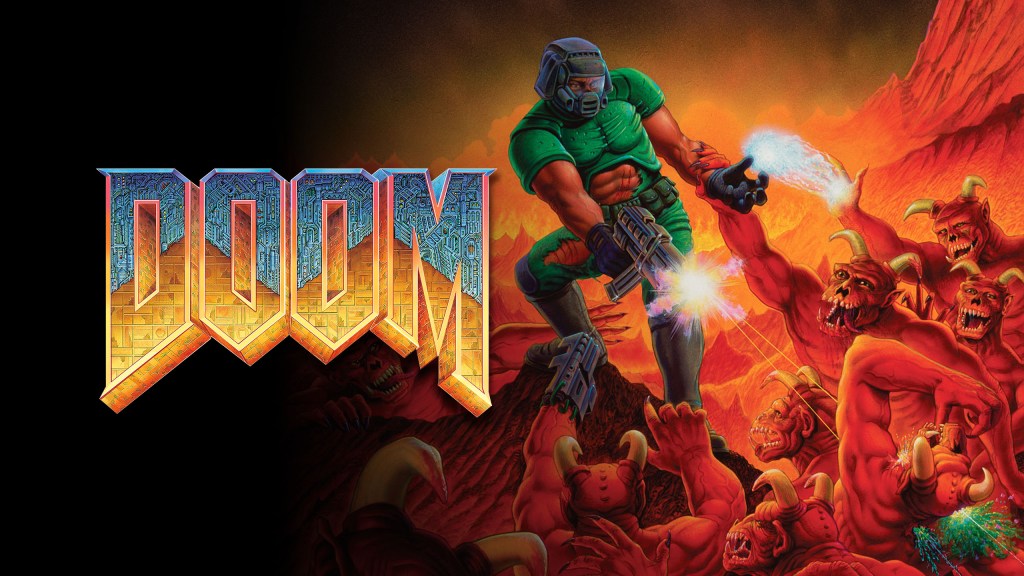
Doom wasn’t the first first-person shooter (FPS), but it was the one that popularized the genre, influencing countless games. Its fast-paced action, networked multiplayer, and mod-friendly design made it a cultural phenomenon and a blueprint for future shooters.
5. Final Fantasy VII (1997)

Final Fantasy VII took storytelling and production values in video games to new heights with its cinematic approach, deep narrative, and memorable characters. It was pivotal in popularizing RPGs globally and showed that video games could be as emotionally engaging as any movie or book.
6. The Sims (2000)

Maxis’ The Sims broke new ground by focusing on everyday life and personal stories rather than traditional gaming objectives like winning or losing. It appealed to a wide range of players, expanding the gaming demographic and emphasizing the potential of video games as a medium for creativity and expression.
7. World of Warcraft (2004)

Blizzard’s World of Warcraft took the MMO (massively multiplayer online) genre and turned it into a mainstream phenomenon. It offered a vast, immersive world that appealed to both hardcore and casual gamers, setting a high standard for online gaming communities and the games-as-a-service model.
8. Minecraft (2011)

Minecraft revolutionized gaming with its sandbox environment that allowed players to build and explore their worlds. Its emphasis on creativity and exploration over specific objectives has made it one of the best-selling games of all time, influencing educational methods and game design philosophies alike.
9. Dark Souls (2011)

Dark Souls redefined difficulty in video games, challenging modern conventions around player handholding and ease of play. Its intricate world design, deep lore, and unforgiving challenge have inspired a new genre of “souls-like” games, proving that gamers crave challenging, rewarding experiences.
10. Fortnite (2017)

Epic Games’ Fortnite took the battle royale genre to unprecedented popularity with its free-to-play model, cross-platform play, and cultural phenomena. It has significantly influenced the business models of video games, demonstrating the profitability of free-to-play and seasonal content.
These games are more than just milestones; they are chapters in the ongoing story of video game evolution. They remind us that innovation, whether in gameplay, storytelling, or technology, makes video games a unique and ever-evolving form of entertainment. As we look to the future, it’s clear that the games we celebrate today will stand as the giants on whose shoulders the next generation will stand.
 Fantastic Nerdom