

In Diablo’s dark and treacherous world, players have faced countless demonic adversaries, each more formidable than the last. From the depths of the Burning Hells, these bosses emerge to challenge the bravest adventurers. Join us as we delve into the abyss and explore the top ten Diablo bosses that have left an indelible mark on the franchise’s legacy.
Diablo, the Prime Evil:

Alias: The Lord of Terror Diablo himself tops our list as the prime embodiment of evil. This Lord of Terror has consistently delivered spine-chilling encounters from the original Diablo game to the Reaper of Souls expansion. His shape-shifting forms and devastating attacks make him an enduring symbol of the franchise.
Mephisto: Alias: The Lord of Hatred

The Lord of Hatred takes the second spot, terrorizing players in Diablo II. Mephisto’s sinister presence and malevolent spells make him a formidable foe. His eerie dialogue and the dark atmosphere surrounding his lair contribute to a genuinely haunting encounter.
Baal: Alias: The Lord of Destruction

Completing the triumvirate of Prime Evils, Baal is a force to be reckoned with. Featured in Diablo II’s expansion, Lord of Destruction, Baal’s relentless pursuit and devastating powers make for a memorable confrontation. His siege on the Barbarian Highlands is etched into Diablo lore.
Azmodan: Alias: The Lord of Sin
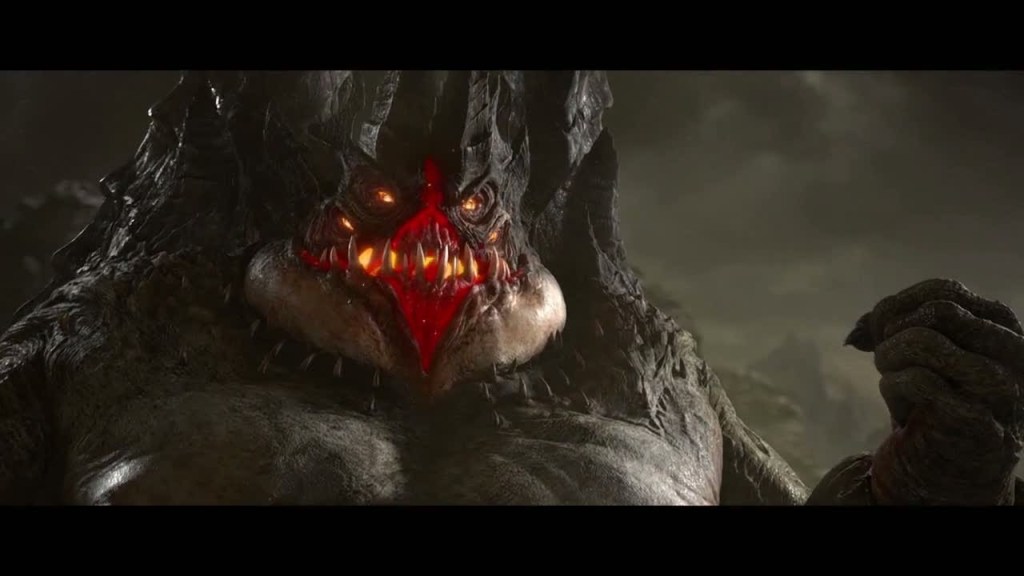
As a prominent antagonist in Diablo III, Azmodan commands the armies of Hell with a cunning strategy. His appearances in Acts III and IV present players with epic battles against overwhelming odds. The Lord of Sin’s mastery over deception and manipulation adds a layer of complexity to his character.
Belial: Alias: Lord of Lies

Lord of Lies takes the fifth spot with his deceptive tactics and shrouded identity. Featured prominently in Diablo III’s Act II, Belial weaves a web of illusions, keeping players guessing until the climactic reveal. The psychological tension during the encounter adds a unique flavor to the battle.
Duriel: Alias: The Lord of Pain

Known as the Lord of Pain, Duriel guards the tomb of Tal Rasha in Diablo II. Renowned for his merciless speed and devastating attacks, Duriel is a source of nightmares for many players. The confined space of his lair intensifies the dread during the encounter.
Andariel: Alias: The Maiden of Anguish

As the Maiden of Anguish, Andariel is the first significant boss encountered in Diablo II. Her venomous attacks and disturbing design set the tone for the challenges ahead. Defeating Andariel marks a substantial milestone for players, signaling their progression into darker realms.
Diablo, the Prime Evil (Diablo III): Alias: The Black Soulstone Incarnation
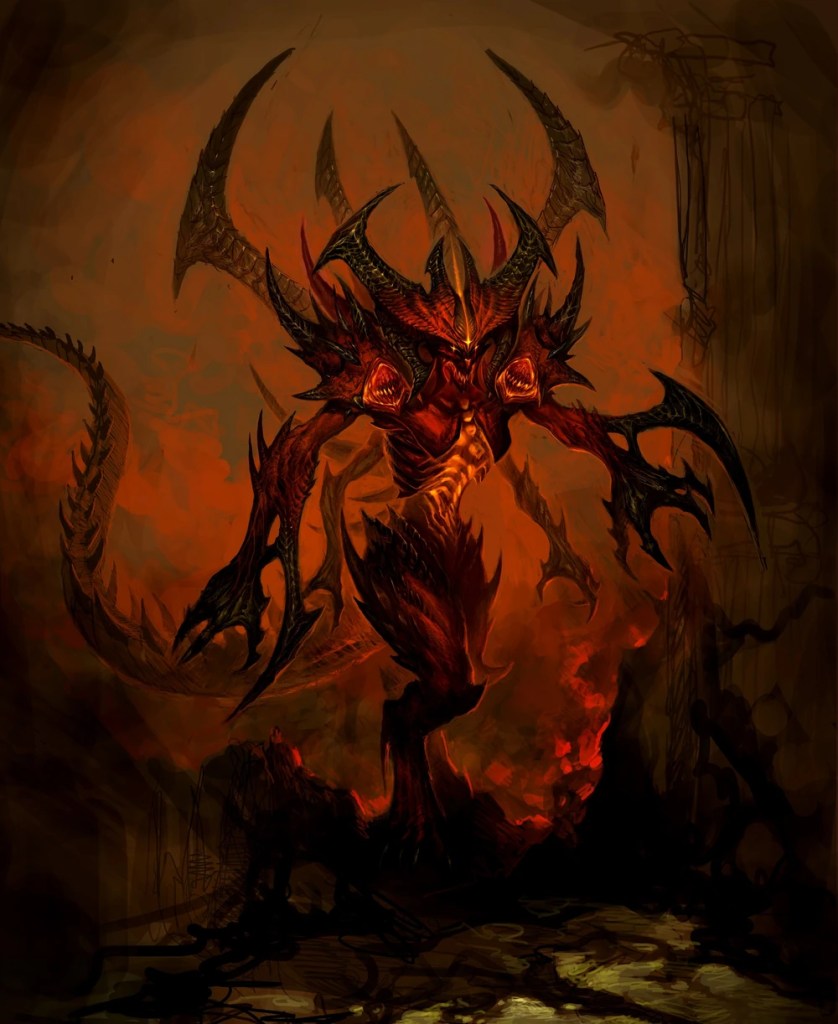
Returning in Diablo III, Diablo undergoes a ghastly transformation as the Black Soulstone Incarnation. This iteration of the Lord of Terror presents players with a climactic battle, showcasing the character’s evolution across the series.
Leoric, the Skeleton King: Alias: The Mad King of Khanduras

As an early boss in Diablo III, Leoric sets the stage for the game’s narrative. The tragic tale of the Mad King adds a layer of sympathy to the encounter, making it more than a mere battle. Leoric’s haunting presence lingers throughout the game.
Izual: Alias: The Betrayer of the High Heavens

A fallen angel turned traitor, Izual appears in Diablo II as a boss in Act IV. The Betrayer of the High Heavens adds a layer of complexity to the cosmic conflict, and the encounter with Izual explores themes of betrayal and redemption.
The Diablo series has stood the test of time, thanks in no small part to its unforgettable roster of demonic adversaries. From the Prime Evils to the Lords of Sin and Destruction, each boss represents a unique challenge, leaving an indelible mark on the memories of players. As we await the next chapter in the Diablo saga, let’s pay homage to these infernal entities that have haunted our nightmares and tested our mettle in the face of unspeakable evil.
Top of Form
 Fantastic Nerdom