

Since its inception in 1993, the Doom series has been a hallmark of the first-person shooter genre, leaving an indelible mark on gaming history. From its humble beginnings as a pioneer in the industry to its modern-day iterations, the Doom franchise has continued to captivate players with its relentless action, demonic adversaries, and groundbreaking technology. In this blog post, we will take a chronological journey through the Doom series, exploring each installment and the innovations it brought to the gaming landscape.
Doom (1993)
Release Year: 1993

The game that started it all, Doom is a seminal title developed by id Software. It introduced players to the gripping world of first-person shooters, placing them in the boots of a space marine battling demons on a Mars moon base. With its fast-paced gameplay and revolutionary graphics, Doom set the standard for the genre.
Doom II: Hell on Earth (1994)
Release Year: 1994
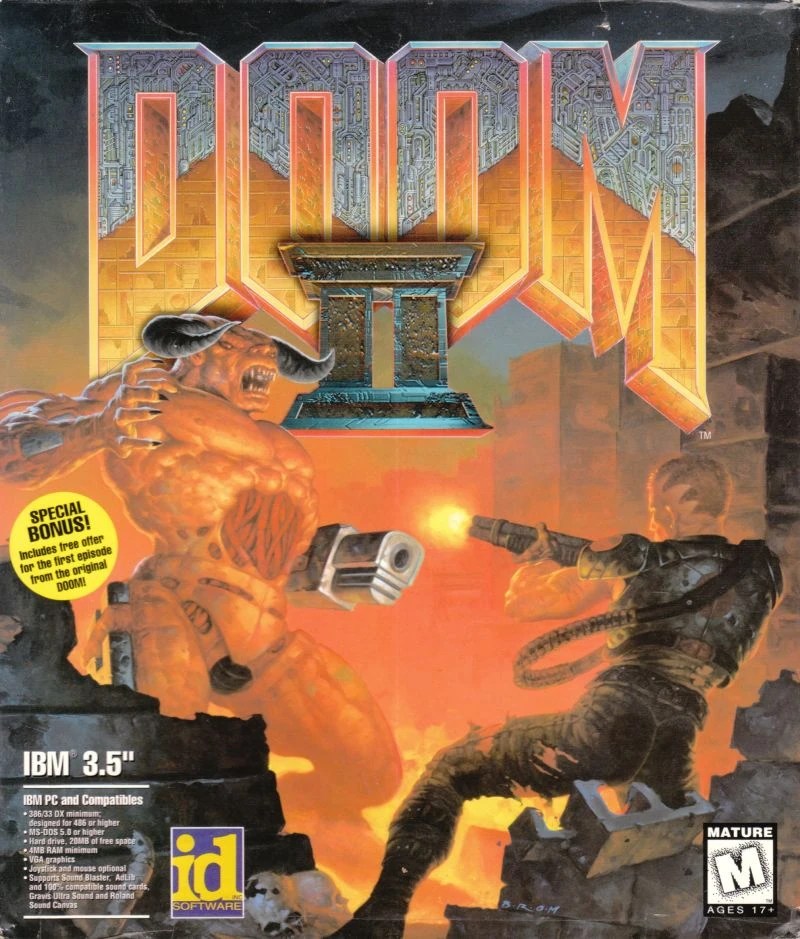
Continuing the saga, Doom II took the fight against demonic forces to Earth. It expanded upon its predecessor by introducing new weapons, formidable enemies, and the iconic double-barreled shotgun. Doom II solidified the franchise’s reputation for intense, non-stop action.
Final Doom (1996)
Release Year: 1996

Serving as an expansion to Doom II, Final Doom offered players two distinct episodes, “TNT: Evilution” and “The Plutonia Experiment,” each featuring 32 challenging levels. This release marked a fitting conclusion to the classic Doom era and showcased the creativity of different design teams.
Doom 64 (1997)
Release Year: 1997
Doom 64, a Nintendo 64 exclusive, provided a fresh take on the series with unique levels, atmospheric graphics, and an eerie soundtrack. Acting as a sequel to the original games, it maintained the franchise’s reputation for delivering thrilling demon-slaying experiences.
Doom 3 (2004)
Release Year: 2004

A departure from the formula, Doom 3 embraced a more atmospheric and horror-driven narrative. Set on Mars, the game featured revamped graphics and a focus on survival horror elements. Doom 3 showcased the franchise’s adaptability and willingness to explore new gameplay dynamics.
Doom RPG (2005)
Release Year: 2005

Venturing into the realm of mobile gaming, Doom RPG introduced a turn-based role-playing experience, offering a fresh perspective on the series. Despite the shift in gameplay style, it retained the essence of Doom within the limitations of mobile platforms.
Doom Resurrection (2009)
Release Year: 2009
Continuing its mobile presence, Doom Resurrection emerged as a first-person shooter designed exclusively for the iPhone. It demonstrated the franchise’s commitment to reaching diverse gaming audiences and adapting to evolving technology.
Doom (2016)
Release Year: 2016

The series returned to its roots with the 2016 reboot simply titled “Doom.” Boasting fast-paced, brutal gameplay, this installment reinvigorated the franchise for a new generation. It reintroduced the iconic Doom Slayer, pitting players against a relentless onslaught of demons on Mars and in the depths of Hell.
Doom VFR (2017)
Release Year: 2017
Embracing virtual reality, Doom VFR provided players with an immersive experience in the demonic realms. This spin-off from the 2016 reboot showcased the franchise’s commitment to exploring new technologies and delivering innovative gaming experiences.
Doom Eternal (2020)
Release Year: 2020

The most recent addition to the series, Doom Eternal serves as a direct sequel to the 2016 reboot. It pushes the boundaries of the franchise with new weapons, enemies, and a more intricate narrative. Doom Eternal reaffirms the series’ legacy as a trailblazer in the first-person shooter genre, captivating players with its relentless, high-octane action.
The Doom series stands as a testament to the enduring appeal of fast-paced, demon-slaying action. From its inception in the ’90s to its modern-day iterations, Doom has consistently pushed the boundaries of gaming, earning its place as a legendary and influential franchise in the history of video games. Whether you’re a veteran player who fondly remembers the pixelated demons of the past or a newcomer eager to experience the latest in demon-slaying mayhem, the Doom series continues to offer an adrenaline-fueled journey through the darkest corners of gaming.
 Fantastic Nerdom